encoger Negative Imperative Conjugation
encoger — to shrink
The negative imperative always uses the 'j' spelling change: no encojas, no encoja, no encojamos, no encojáis, no encojan.
encoger Negative Imperative Forms
When to Use the Negative Imperative
Use this to tell someone NOT to shrink something or not to shrug.
Notes on encoger in the Negative Imperative
Since negative commands use the present subjunctive forms, they all require the 'j' to keep the soft sound before the 'a'.
Example Sentences
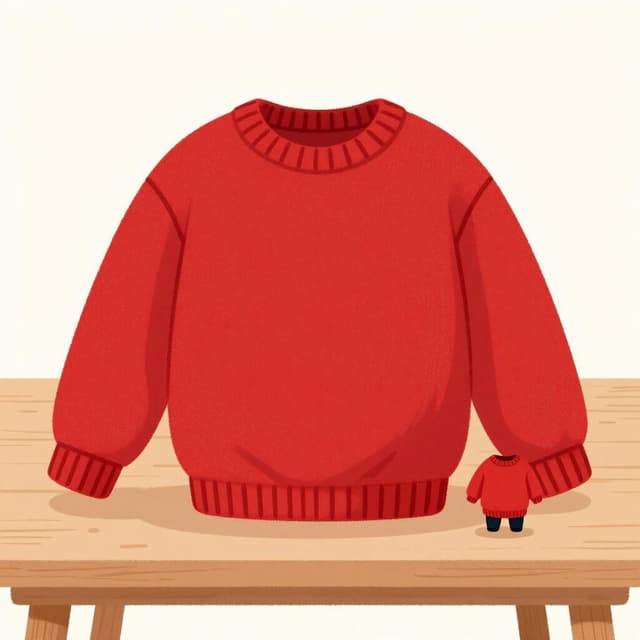
¡No encojas mi jersey favorito!
Don't shrink my favorite sweater!
tú
No encojan los hombros; respondan la pregunta.
Don't shrug your shoulders; answer the question.
Common Mistakes
Mistake: no encogas
Correct: no encojas
Why: The negative 'tú' command is based on the subjunctive, which requires the 'j' spelling change.
Master Spanish verbs in context
Memorizing tables only gets you so far. Read 200+ illustrated and narrated Spanish stories to see verbs like 'encoger' used naturally — in the tenses you're learning.
Related Tenses
Present
yo: encojo
Encoger has a spelling change in the 'yo' form (encojo) but is otherwise a regular -er verb.
Preterite
yo: encogí
The preterite of encoger is regular: encogí, encogiste, encogió, encogimos, encogisteis, encogieron.
Imperfect
yo: encogía
The imperfect of encoger is regular: encogía, encogías, encogía, encogíamos, encogíais, encogían.
Future
yo: encogeré
The future of encoger is regular: encogeré, encogerás, encogerá, encogeremos, encogeréis, encogerán.
Conditional
yo: encogería
The conditional of encoger is regular: encogería, encogerías, encogería, encogeríamos, encogeríais, encogerían.
Present Subjunctive
yo: encoja
The present subjunctive uses the 'j' spelling change in all forms: encoja, encojas, encoja, encojamos, encojáis, encojan.
Imperfect Subjunctive
yo: encogiera
The imperfect subjunctive of encoger is regular: encogiera, encogieras, encogiera, encogiéramos, encogierais, encogieran.
Affirmative Imperative
yo: encoge
The imperative uses 'encoge' (tú) and 'encoged' (vosotros), but switches to 'j' for formal commands: encoja, encojan.