quitar Conditional Conjugation
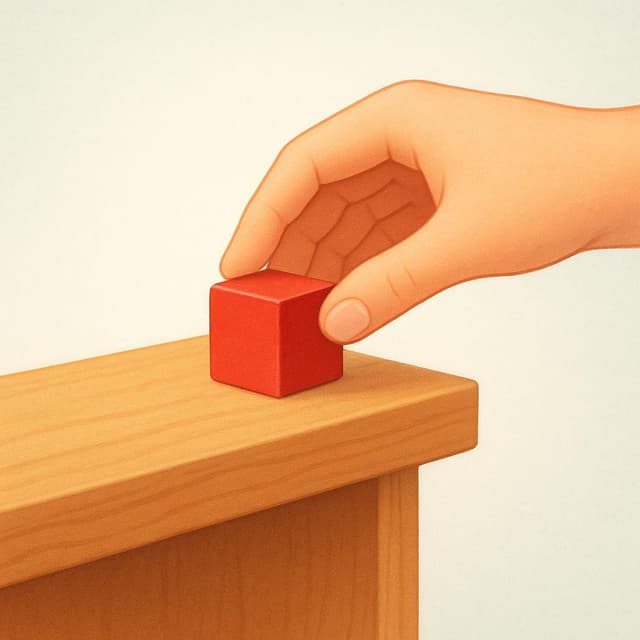
quitar — remove
The conditional of quitar is regular: quitaría, quitarías, quitaría, quitaríamos, quitaríais, quitarían.
quitar Conditional Forms
When to Use the Conditional
Use the conditional to express what you 'would' remove in a hypothetical situation or to make a polite request about removing something.
Notes on quitar in the Conditional
Quitar is regular in the conditional. All forms have an accent on the 'í'.
Example Sentences
Yo quitaría ese cuadro, no combina con la sala.
I would remove that painting; it doesn't match the room.
yo
¿Quitarías tú el anuncio de la web?
Would you remove the ad from the website?
tú
Nosotros quitaríamos la mesa si tuviéramos tiempo.
We would clear the table if we had time.
nosotros
Common Mistakes
Mistake: Confusing quitaría with the imperfect quitaba.
Correct: quitaría is 'would remove', quitaba is 'used to remove'.
Why: Both tenses deal with the past or hypothetical, leading to confusion in usage.
Master Spanish verbs in context
Memorizing tables only gets you so far. Read 200+ illustrated and narrated Spanish stories to see verbs like 'quitar' used naturally — in the tenses you're learning.
Related Tenses
Present
yo: quito
The present tense of quitar is regular: quito, quitas, quita, quitamos, quitáis, quitan.
Preterite
yo: quité
The preterite of quitar is regular: quité, quitaste, quitó, quitamos, quitasteis, quitaron.
Imperfect
yo: quitaba
The imperfect of quitar follows the standard -aba pattern: quitaba, quitabas, quitaba, quitábamos, quitabais, quitaban.
Future
yo: quitaré
The future of quitar uses the infinitive as a stem: quitaré, quitarás, quitará, quitaremos, quitaréis, quitarán.
Present Subjunctive
yo: quite
The present subjunctive of quitar swaps -ar for -e: quite, quites, quite, quitemos, quitéis, quiten.
Imperfect Subjunctive
yo: quitara
The imperfect subjunctive of quitar uses the preterite stem: quitara, quitaras, quitara, quitáramos, quitarais, quitaran.
Affirmative Imperative
yo: quita
The affirmative imperative of quitar is quita (tú), quite (usted), and quitad (vosotros).
Negative Imperative
yo: no quites
The negative imperative of quitar uses the present subjunctive: no quites, no quite, no quitemos, no quitéis, no quiten.