quitar Imperfect Subjunctive Conjugation
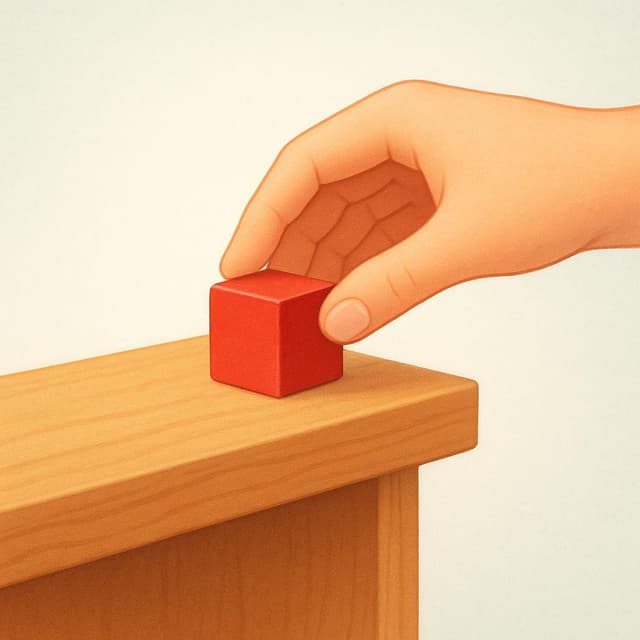
quitar — remove
The imperfect subjunctive of quitar uses the preterite stem: quitara, quitaras, quitara, quitáramos, quitarais, quitaran.
quitar Imperfect Subjunctive Forms
When to Use the Imperfect Subjunctive
Use this for hypothetical past situations or 'if' clauses, like 'If I removed the dust, I would sneeze less'.
Notes on quitar in the Imperfect Subjunctive
Quitar is regular. The stem comes from the 'ellos' preterite (quitaron), dropping the -on.
Example Sentences
Si yo quitara el sofá, habría más espacio.
If I removed the sofa, there would be more space.
yo
Me pidió que quitara los pies de la silla.
He asked me to take my feet off the chair.
él/ella/usted
Si nosotros quitáramos la alfombra, el suelo estaría frío.
If we removed the rug, the floor would be cold.
nosotros
Common Mistakes
Mistake: Using 'quitaría' in the 'if' clause.
Correct: Use 'quitara' with 'si' for hypotheticals.
Why: Spanish logic requires the subjunctive after 'si' in hypothetical conditions, not the conditional.
Master Spanish verbs in context
Memorizing tables only gets you so far. Read 200+ illustrated and narrated Spanish stories to see verbs like 'quitar' used naturally — in the tenses you're learning.
Related Tenses
Present
yo: quito
The present tense of quitar is regular: quito, quitas, quita, quitamos, quitáis, quitan.
Preterite
yo: quité
The preterite of quitar is regular: quité, quitaste, quitó, quitamos, quitasteis, quitaron.
Imperfect
yo: quitaba
The imperfect of quitar follows the standard -aba pattern: quitaba, quitabas, quitaba, quitábamos, quitabais, quitaban.
Future
yo: quitaré
The future of quitar uses the infinitive as a stem: quitaré, quitarás, quitará, quitaremos, quitaréis, quitarán.
Conditional
yo: quitaría
The conditional of quitar is regular: quitaría, quitarías, quitaría, quitaríamos, quitaríais, quitarían.
Present Subjunctive
yo: quite
The present subjunctive of quitar swaps -ar for -e: quite, quites, quite, quitemos, quitéis, quiten.
Affirmative Imperative
yo: quita
The affirmative imperative of quitar is quita (tú), quite (usted), and quitad (vosotros).
Negative Imperative
yo: no quites
The negative imperative of quitar uses the present subjunctive: no quites, no quite, no quitemos, no quitéis, no quiten.