tejer Affirmative Imperative Conjugation
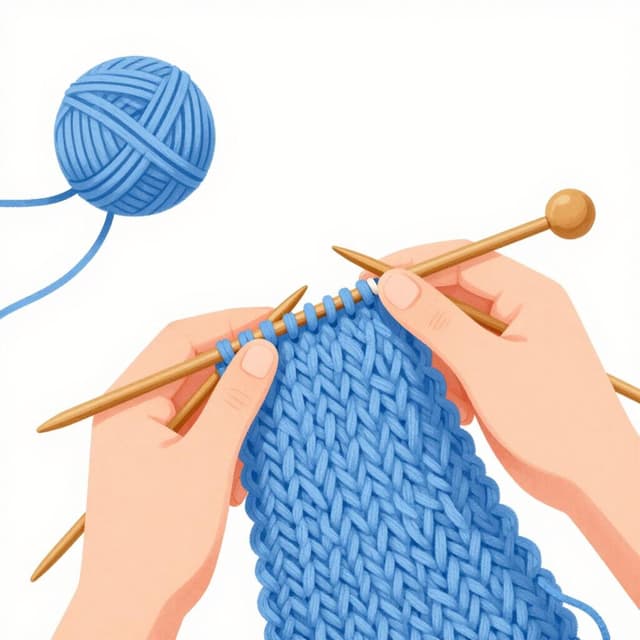
tejer — to knit
Use 'teje' (tú), 'teja' (usted), 'tejamos' (nosotros), 'tejan' (ustedes), 'tejed' (vosotros) for direct commands.
tejer Affirmative Imperative Forms
When to Use the Affirmative Imperative
The imperative is used for direct commands. You'd use it to tell someone to knit something, like 'Teje esta bufanda' (Knit this scarf) or 'Tejed con cuidado' (Knit carefully).
Notes on tejer in the Affirmative Imperative
Tejer is regular in the imperative, except for the vosotros form which is 'tejed' instead of the expected 'tejéis'.
Example Sentences
Teje esta bufanda para tu abuela.
Knit this scarf for your grandmother.
tú
Señora, teja con paciencia.
Ma'am, knit with patience.
usted
¡Tejed bien, que hace frío!
Knit well, it's cold!
vosotros
Tejamos un suéter juntos.
Let's knit a sweater together.
nosotros
Ustedes, tejan con hilos de colores.
You all, knit with colorful threads.
ustedes
Common Mistakes
Mistake: Using the present indicative 'tejes' instead of the imperative 'teje' for a command.
Correct: Use 'teje' for a command to 'tú'.
Why: 'Tejes' describes a habitual action, while 'teje' is a direct order.
Mistake: Forgetting the 'd' in the vosotros command 'tejed'.
Correct: The correct form is 'tejed'.
Why: The 'd' ending is characteristic of the vosotros imperative for -er and -ir verbs.
Master Spanish verbs in context
Memorizing tables only gets you so far. Read 200+ illustrated and narrated Spanish stories to see verbs like 'tejer' used naturally — in the tenses you're learning.
Related Tenses
Present
yo: tejo
Use 'tejo', 'tejes', 'teje', 'tejemos', 'tejéis', 'tejen' for knitting happening now, habitually, or as a general truth.
Preterite
yo: tejí
Use 'tejí', 'tejiste', 'tejió', 'tejimos', 'tejisteis', 'tejieron' for completed knitting actions in the past.
Imperfect
yo: tejía
Use 'tejía', 'tejías', 'tejía', 'tejíamos', 'tejíais', 'tejían' for ongoing or habitual knitting in the past.
Future
yo: tejeré
Use 'tejeré', 'tejerás', 'tejerá', 'tejeremos', 'tejeréis', 'tejerán' for future knitting actions or probability.
Conditional
yo: tejería
Use 'tejería', 'tejerías', 'tejería', 'tejeríamos', 'tejeríais', 'tejerían' for hypotheticals ('would'), polite requests, or future-in-the-past.
Present Subjunctive
yo: teja
Use 'teja' (yo/él/ella/usted), 'tejas' (tú), 'tejamos' (nosotros), 'tejan' (ellos/ellas/ustedes), 'tejáis' (vosotros) after expressions of doubt, desire, emotion, or uncertainty.
Imperfect Subjunctive
yo: tejiera
Use 'tejiera'/'tejiese' (yo/él/ella/usted), 'tejieras'/'tejieses' (tú), 'tejiéramos'/'tejiésemos' (nosotros), 'tejieran'/'tejiesen' (ellos/ellas/ustedes), 'tejierais'/'tejieseis' (vosotros) for past hypotheticals or wishes.
Negative Imperative
yo: no tejas
Use 'no tejas' (tú), 'no teja' (usted), 'no tejamos' (nosotros), 'no tejan' (ustedes), 'no tejáis' (vosotros) for negative commands.