época
“época” means “era” in Spanish. It has 2 different meanings depending on context:

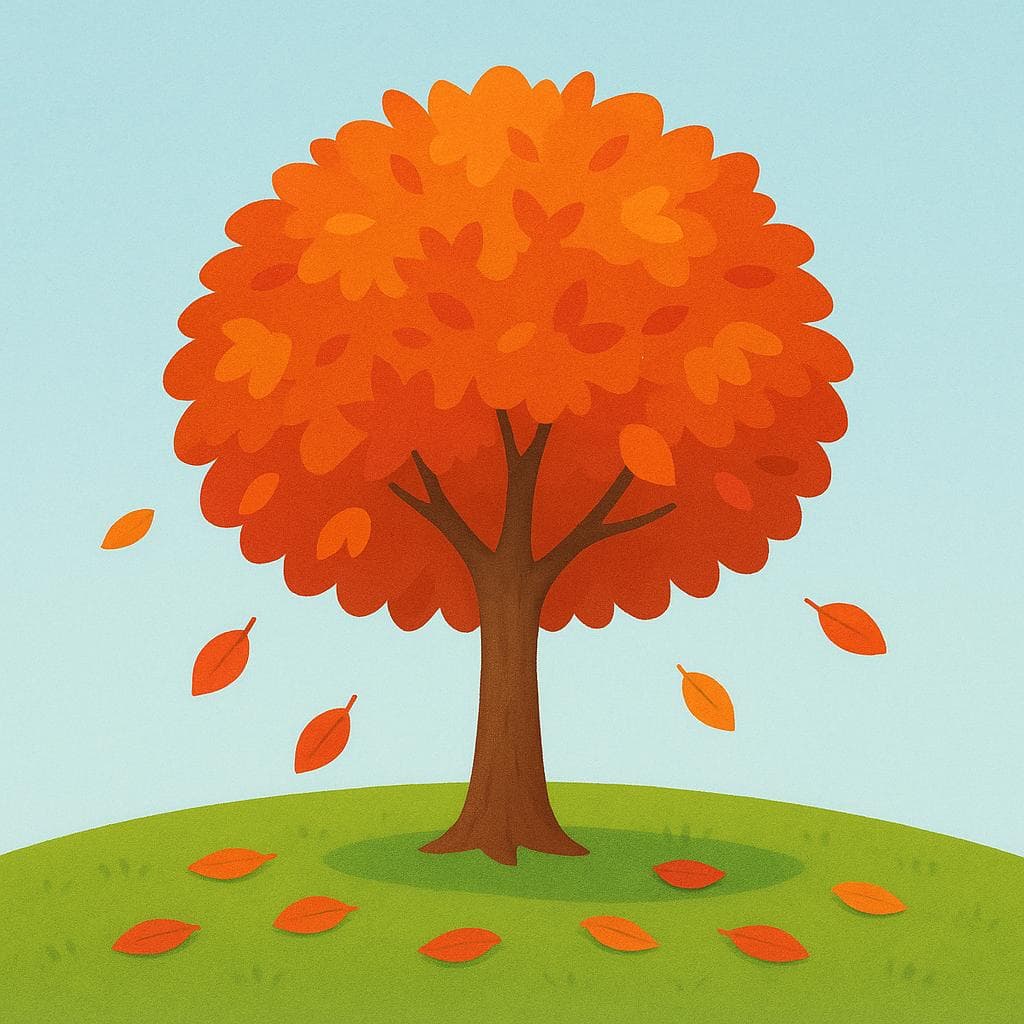
era, age
Also: epoch
📝 In Action
La época victoriana fue un periodo de gran cambio social.
B1The Victorian era was a period of great social change.
Fue una época difícil para mi abuela.
A2It was a difficult time for my grandmother.
Esta es la época de oro de la televisión.
B2This is the golden age of television.
season, time
Also: period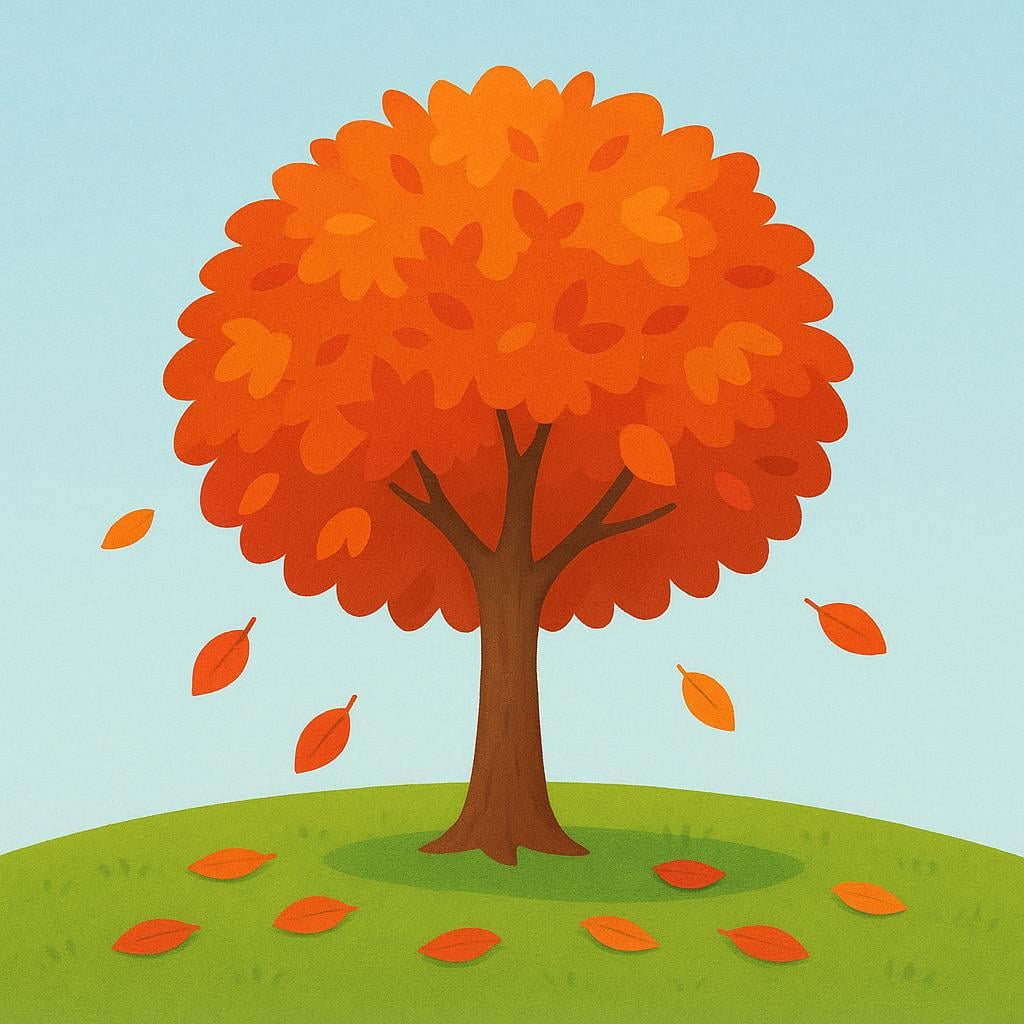
📝 In Action
Estamos en la época de cosecha de uvas.
B1We are in the grape harvest season.
La mejor época para visitar la ciudad es en primavera.
A2The best time to visit the city is in spring.
Llegó la época de lluvias, trae tu paraguas.
B1The rainy season has arrived, bring your umbrella.
🔀 Commonly Confused With
✏️ Quick Practice
Quick Quiz: época
Question 1 of 1
Which sentence uses 'época' to describe a specific time of year for an activity?
📚 More Resources
👥 Word Family▼
📚 Etymology▼
This word comes from the Ancient Greek term *epokhē*, which originally meant 'a stopping point' or 'a pause.' In astronomy, it was used to mark a specific fixed point in time from which calculations would begin. Over time, it came to mean a memorable or important segment of history.
First recorded: 17th century (in Spanish, derived via Latin/Greek)
Cognates (Related words)
💡 Master Spanish
Take your Spanish to the next level. Read 200+ illustrated and narrated Spanish stories tailored to your level with the Inklingo app!
Frequently Asked Questions
Is 'época' always feminine?
Yes, 'época' is always a feminine noun. You must use 'la' before it, as in 'la época,' unlike similar-sounding words like 'agua' or 'águila' that switch to 'el' when singular.
What is the difference between 'época' and 'tiempo'?
'Tiempo' is general time, or the weather. 'Época' refers to a defined, significant period, whether historical (the Roman era) or cyclical (the rainy season). Think of 'época' as a chunk of 'tiempo'.