ése
“ése” means “that one” in Spanish (referring to a masculine thing near the listener).
that one
Also: that, that guy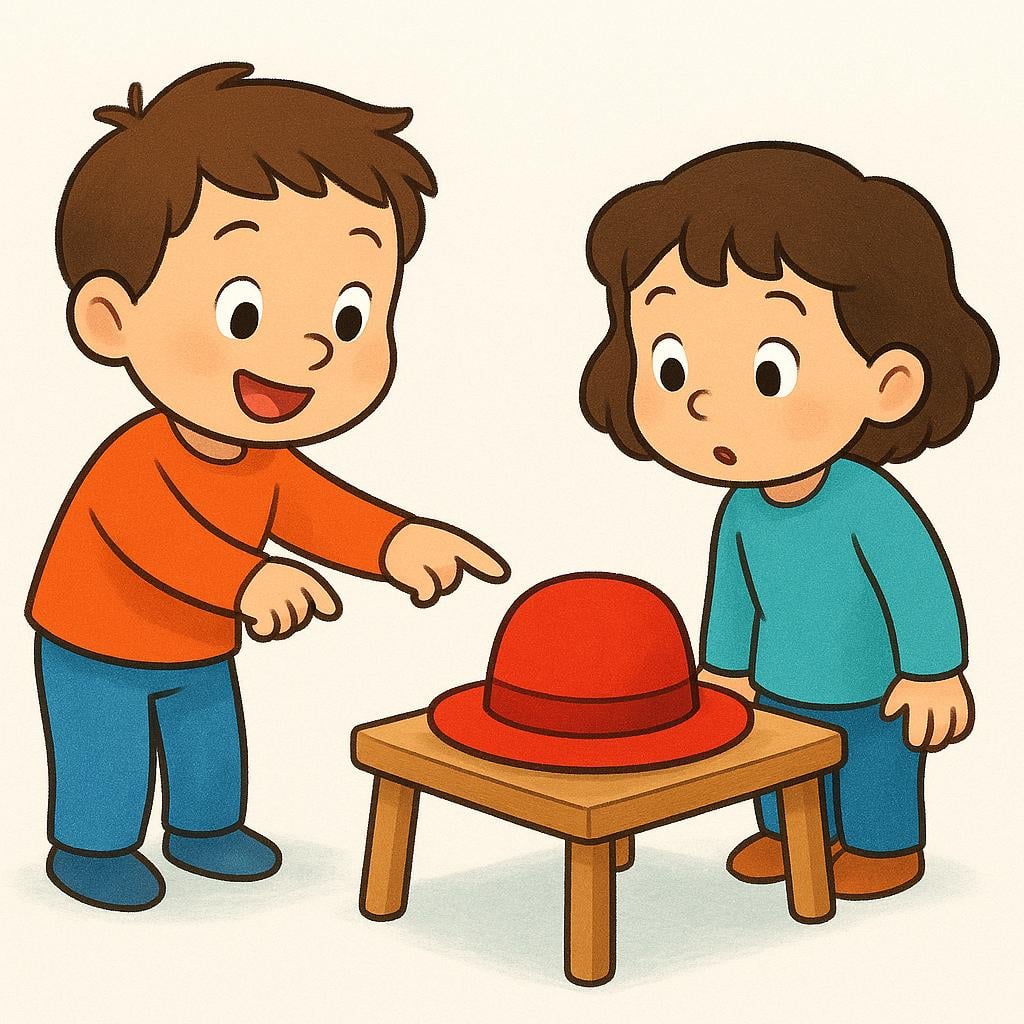
📝 In Action
No me gusta este abrigo, prefiero ése.
A1I don't like this coat, I prefer that one.
¿Cuál de los coches es tuyo? —Ése de allí.
A2Which of the cars is yours? —That one over there.
Mi hermano es el alto. Sí, ése que está hablando con la profesora.
B1My brother is the tall one. Yes, that one who is talking to the teacher.
Translate to Spanish
Words that translate to "ése" in Spanish:
that guy→✏️ Quick Practice
Quick Quiz: ése
Question 1 of 1
You see a dog near your friend across the park. You want to say 'That one is cute!'. Which word do you use?
📚 More Resources
👥 Word Family▼
🎵 Rhymes▼
📚 Etymology▼
Comes from the Latin word 'ipse', which meant 'self' or 'that very one'. Over centuries of being spoken, the sound softened and changed into the Spanish 'ése'.
First recorded: Found in the earliest written forms of Spanish, around the 10th century.
Cognates (Related words)
💡 Master Spanish
Take your Spanish to the next level. Read 200+ illustrated and narrated Spanish stories tailored to your level with the Inklingo app!
Frequently Asked Questions
Is it ever okay to write 'ese' without the accent mark when I mean 'that one'?
Yes, officially it is. The Royal Spanish Academy (the group that makes the rules) decided the accent is no longer required because the meaning is usually clear from the sentence. However, many writers, teachers, and native speakers still prefer to use 'ése' with the accent to be perfectly clear that it's a pronoun replacing a noun. It's a good habit to learn!
How do I choose between 'ése' and 'aquél'?
It's all about distance! Use 'ése' for something that's a medium distance away, often near the person you're talking to. Use 'aquél' for something that's far away from both of you, like 'that mountain over there'.