cese
“cese” means “cessation” in Spanish. It has 2 different meanings depending on context:
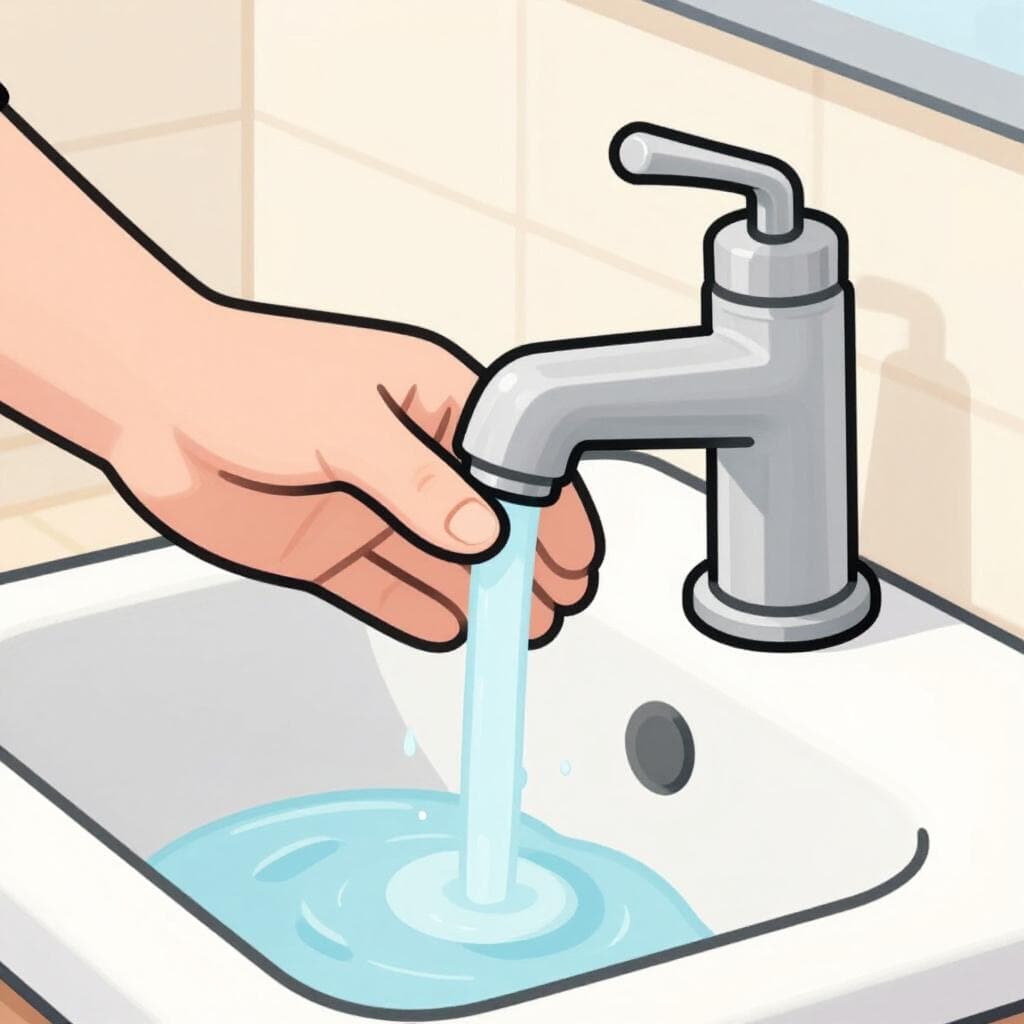

cessation, dismissalAlso: ceasefire, termination
📝 In Action
Las Naciones Unidas pidieron un cese del fuego inmediato.
B1The United Nations called for an immediate ceasefire.
El cese del director sorprendió a toda la oficina.
B2The director's dismissal surprised the whole office.
Tras el cese de las lluvias, pudimos salir a caminar.
B2After the rain stopped, we were able to go for a walk.
Word Connections
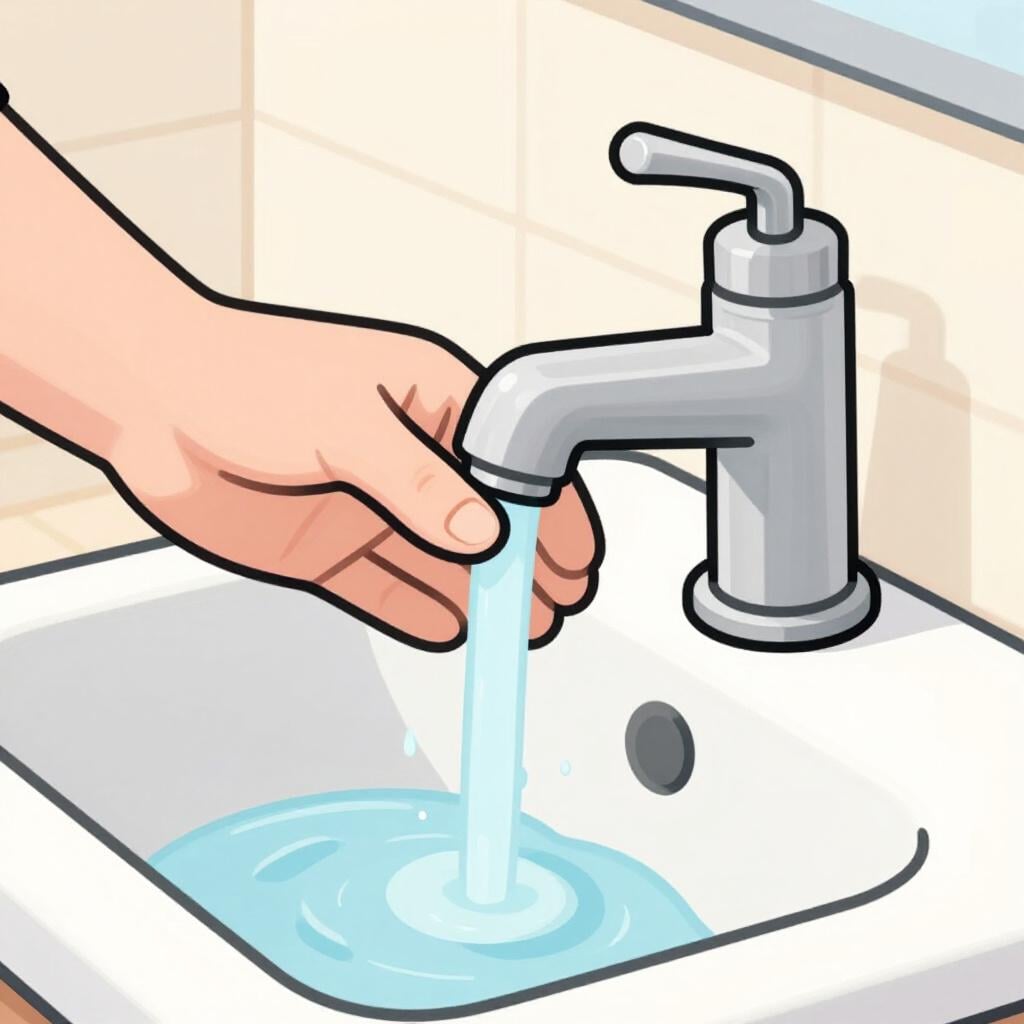
stop, cease

📝 In Action
Espero que cese el ruido pronto.
B1I hope the noise stops soon.
Dudo que el viento cese esta noche.
B1I doubt the wind will cease tonight.
Cese usted de gritar immediately.
B2Stop shouting immediately (formal command).
Word Connections
Subjunctive
Imperfect Subjunctive
Present Subjunctive
Indicative
Preterite
Imperfect
Present
Translate to Spanish
✏️ Quick Practice
Quick Quiz: cese
Question 1 of 3
Which of these phrases refers to a 'ceasefire'?
📚 More Resources
👥 Word Family
📚 Etymology
From the Latin word 'cessāre', which means 'to delay' or 'to stop doing something'.
First recorded: 13th century
Cognates (Related words)
💡 Master Spanish
Take your Spanish to the next level. Read 200+ illustrated and narrated Spanish stories tailored to your level with the Inklingo app!
Frequently Asked Questions
What is the difference between 'parar' and 'cesar'?
'Parar' is much more common and casual (like stopping a car or a ball). 'Cesar' is more formal and often used for abstract things like rain, noise, or someone's employment.
Can 'cese' be used for quitting a job?
Yes, but usually it refers to being dismissed or a formal ending of a role, rather than casually saying 'I quit'.
Does 'cese' always need the word 'de' after it?
Only when it's a verb and you are naming the action that is stopping (e.g., 'cese de correr'). As a noun, it doesn't need it (e.g., 'el cese fue repentino').