ésta
“ésta” means “this one” in Spanish (referring to a feminine noun).
this one
Also: this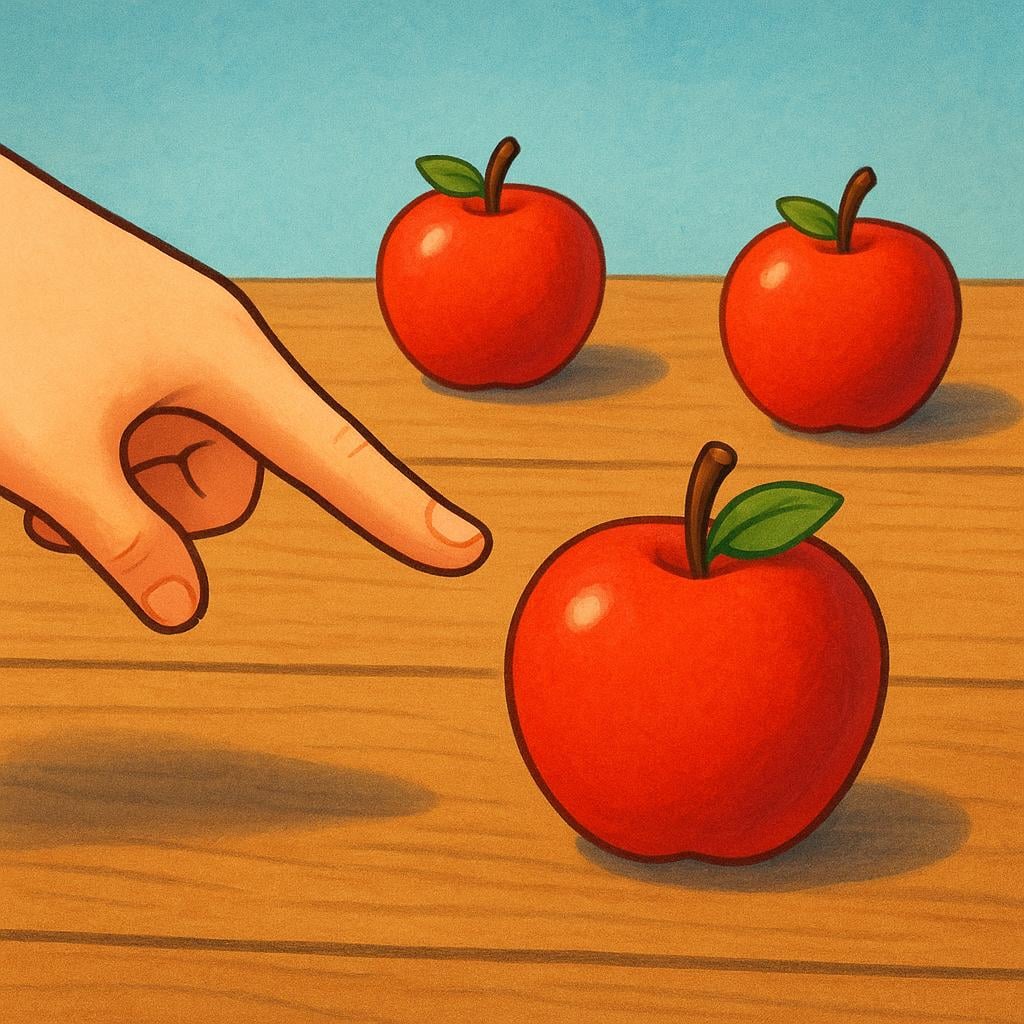
📝 In Action
No me gusta esa falda, prefiero ésta.
A1I don't like that skirt, I prefer this one.
De todas las opciones, ésta es la mejor.
A2Of all the options, this one is the best.
¿Cuál es tu bicicleta? —Ésta.
A1Which one is your bicycle? —This one.
✏️ Quick Practice
Quick Quiz: ésta
Question 1 of 1
You are at a fruit stand looking at two watermelons ('sandías'). How would you say 'I prefer this one'?
📚 More Resources
👥 Word Family▼
📚 Etymology▼
Comes from the Latin word `ista`, the feminine form of `iste`, which meant 'this' or 'that'. In Spanish, it became the standard word for 'this' (feminine).
First recorded: Around the 10th century
Cognates (Related words)
💡 Master Spanish
Take your Spanish to the next level. Read 200+ illustrated and narrated Spanish stories tailored to your level with the Inklingo app!
Frequently Asked Questions
Do I have to use the accent on `ésta`? My spell-checker says it's not needed.
Your spell-checker is following the latest rules! The Real Academia Española (the official authority on Spanish) removed the requirement for the accent mark in 2010. You can now correctly write `esta` for both 'this' (`esta casa`) and 'this one' (`prefiero esta`). However, it's still very useful to recognize `ésta` with the accent because you will see it everywhere in writing.
What's the difference between `ésta` and `esto`?
Use `ésta` when you are replacing a specific feminine noun, like 'la mesa' (the table) -> 'ésta' (this one). Use `esto` for general ideas, unknown things, or situations. For example, if someone gives you a weird look, you might say '¿Y esto?' which means 'And what's this about?'.