abundar
“abundar” means “to be plentiful” in Spanish. It has 2 different meanings depending on context:
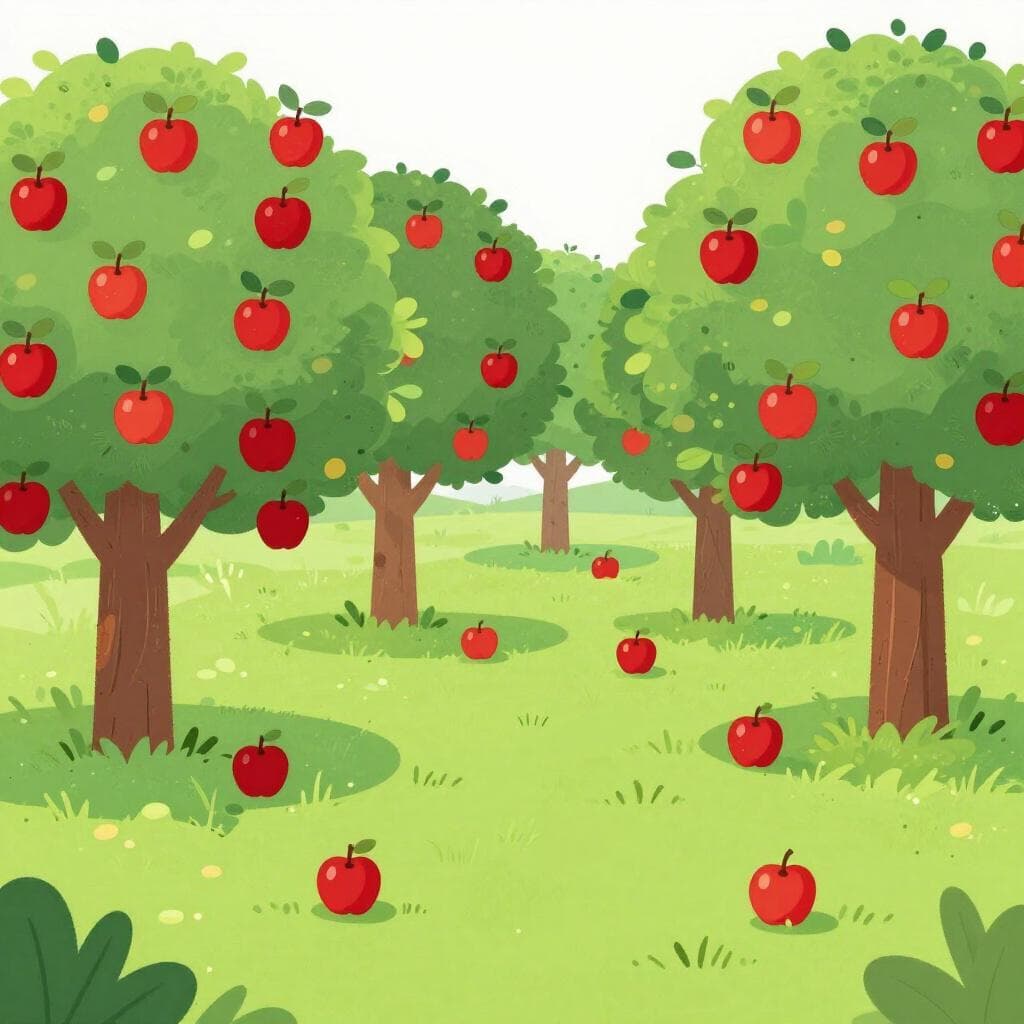

to be plentiful
Also: to abound
📝 In Action
En este bosque abundan los pinos.
A2Pines are plentiful in this forest.
En internet abunda la información falsa.
B1False information is abundant on the internet.
En tiempos de crisis, no suelen abundar las oportunidades laborales.
C1In times of crisis, job opportunities don't usually abound.
to elaborate on
Also: to dwell on
📝 In Action
No quiero abundar en este tema porque ya lo discutimos.
B2I don't want to dwell on this topic because we already discussed it.
El profesor abundó en las causas de la guerra.
C1The professor elaborated on the causes of the war.
Para no abundar más en lo mismo, pasemos al siguiente punto.
C2To not dwell any longer on the same thing, let's move to the next point.
Subjunctive
Imperfect Subjunctive
Present Subjunctive
Indicative
Preterite
Imperfect
Present
Translate to Spanish
Words that translate to "abundar" in Spanish:
to abound→✏️ Quick Practice
Quick Quiz: abundar
Question 1 of 3
Which sentence correctly says 'Apples are plentiful here'?
📚 More Resources
👥 Word Family▼
📚 Etymology▼
From the Latin word 'abundare', which literally meant 'to overflow'. It comes from 'ab-' (away) and 'unda' (wave), like water overflowing the banks of a river.
First recorded: 13th century
Cognates (Related words)
💡 Master Spanish
Take your Spanish to the next level. Read 200+ illustrated and narrated Spanish stories tailored to your level with the Inklingo app!
Frequently Asked Questions
Is 'abundar' common in spoken Spanish?
It is understood by everyone but is more common in books, news, or formal speeches. In casual conversation, people often just say 'hay mucho' (there is a lot).
Can I use 'abundar' for people?
Yes, you can say 'Abundan los turistas en verano' (Tourists are plentiful in summer).
Does 'abundar' always need the word 'en'?
No. Use it without 'en' when the thing being plentiful is the subject (e.g., 'Los problemas abundan'). Use 'en' when you are saying what a place or a speech is full of (e.g., 'El libro abunda en ejemplos').