Inklingo

acompaña

/ah-kohm-PAH-nyah/

he/she accompanies

Two friends walking together down a sunny path in a park.

A person accompanies a friend on a pleasant walk.

acompaña(verb)

A1regular ar

he/she accompanies

?

going somewhere with someone

,

you (formal) accompany

?

politely saying someone is going with you

Also:

goes with

?

pairing or joining

📝 In Action

Ella acompaña a su hermano al médico.

A1

She is going with her brother to the doctor.

Usted nos acompaña hoy, ¿verdad?

A1

You are coming with us today, right?

Word Connections

Synonyms

  • sigue (follows)
  • escolta (escorts)

Antonyms

Common Collocations

  • acompaña a la puertawalks someone to the door
  • me acompañahe/she comes with me

💡 Grammar Points

Using the 'Personal A'

When 'acompaña' is used with a specific person, you must put 'a' before their name or title (e.g., 'Acompaña a María').

❌ Common Pitfalls

Confusing 'Go' and 'Accompany'

Mistake: "Using 'va con' every single time."

Correction: Use 'acompaña' to sound more natural when someone is intentionally acting as a companion.

⭐ Usage Tips

Polite Offers

Use the question form '¿Me acompaña?' to politely ask someone to walk with you.

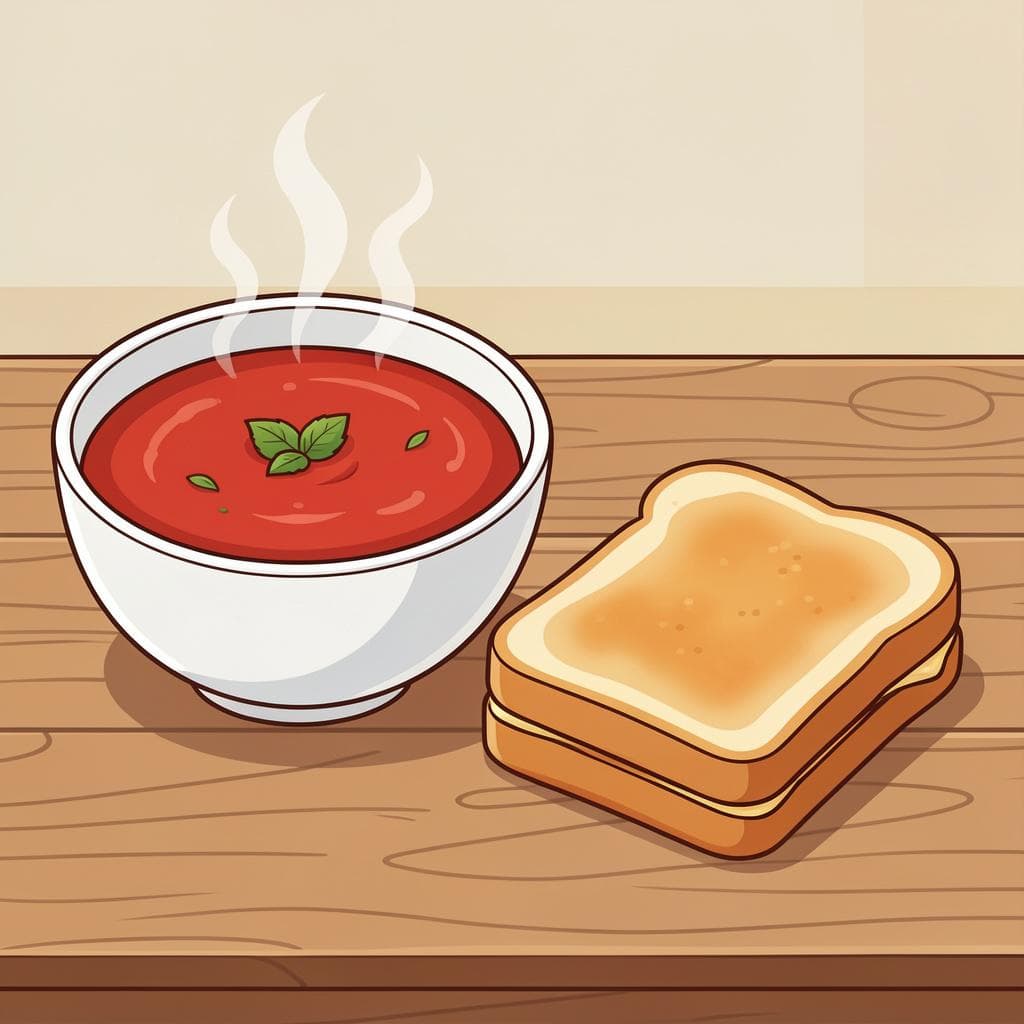
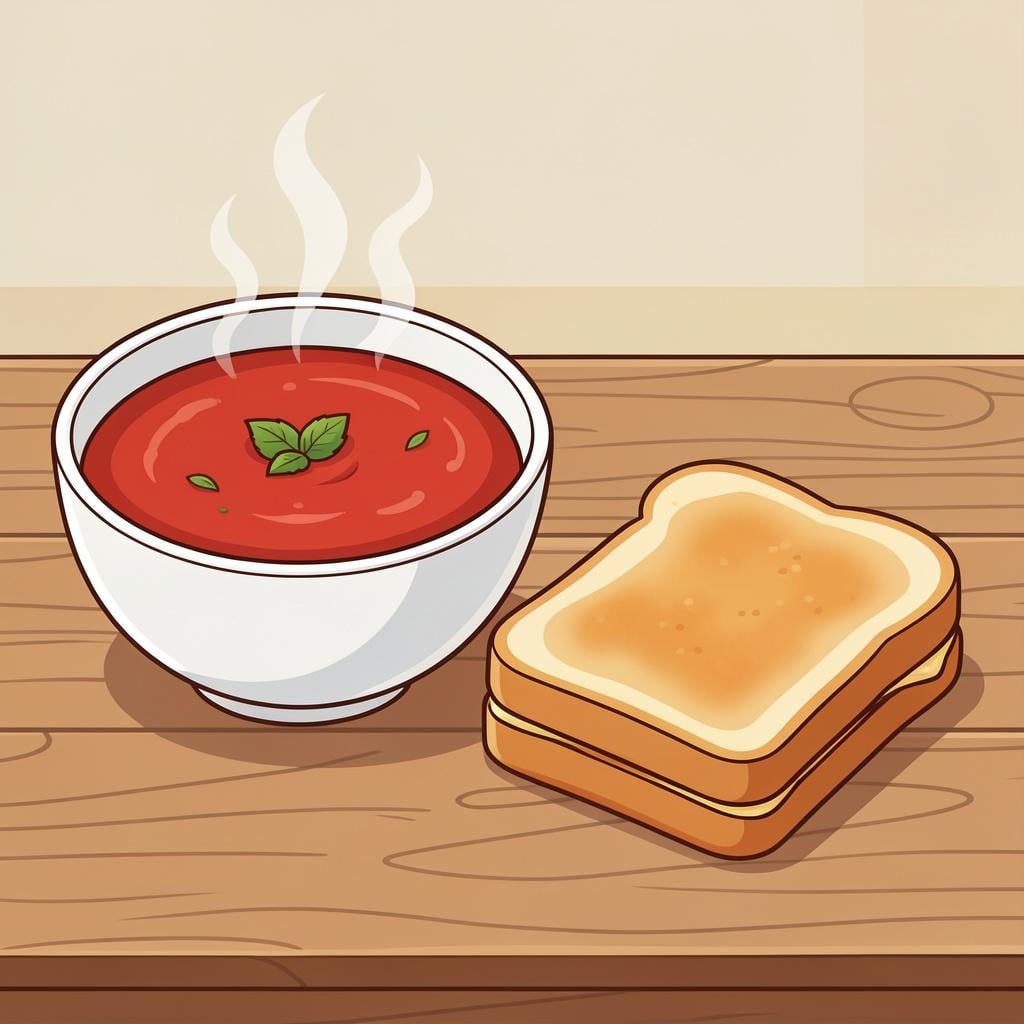
A bowl of tomato soup served with a grilled cheese sandwich on the side.

A warm sandwich goes well with a bowl of soup.

acompaña(verb)

A2

it goes well with

?

food pairings

,

it is served with

?

restaurant menus

📝 In Action

El vino tinto acompaña muy bien a la carne.

A2

Red wine goes very well with meat.

Este plato se acompaña con arroz.

A2

This dish is served with rice.

💡 Grammar Points

Food Pairings

When talking about food, 'acompaña' describes what is being served alongside the main item.

A person gesturing for a friend to follow them towards a bright garden gate.

A friend invites another to accompany them through a gate.

acompaña(verb)

A1

accompany me!

?

informal command to a friend

,

come with!

?

informal invitation

📝 In Action

¡Acompaña a tu abuela a la tienda!

A1

Go with your grandmother to the store!

⭐ Usage Tips

Commands

This is the 'tú' form for giving a friendly order. It's the same spelling as the 'he/she' form but sounds different because of the context.

🔄 Conjugations

subjunctive

imperfect

ellos/ellas/ustedesacompañaran
yoacompañara
acompañaras
vosotrosacompañarais
nosotrosacompañáramos
él/ella/ustedacompañara

present

ellos/ellas/ustedesacompañen
yoacompañe
acompañes
vosotrosacompañéis
nosotrosacompañemos
él/ella/ustedacompañe

indicative

preterite

ellos/ellas/ustedesacompañaron
yoacompañé
acompañaste
vosotrosacompañasteis
nosotrosacompañamos
él/ella/ustedacompañó

imperfect

ellos/ellas/ustedesacompañaban
yoacompañaba
acompañabas
vosotrosacompañabais
nosotrosacompañábamos
él/ella/ustedacompañaba

present

ellos/ellas/ustedesacompañan
yoacompaño
acompañas
vosotrosacompañáis
nosotrosacompañamos
él/ella/ustedacompaña

✏️ Quick Practice

💡 Quick Quiz: acompaña

Question 1 of 2

How would you say 'He goes with his friend'?

📚 More Resources

Word Family

Frequently Asked Questions

Is 'acompaña' only for people?

No! You can use it for food (side dishes), music (instruments playing along), or even feelings (sadness accompanying someone).

Is it 'acompaña con' or 'acompaña a'?

Use 'a' for people (acompaña a María) and usually 'con' when talking about food items serving as a side (acompaña con papas).