acostar
“acostar” means “to put to bed” in Spanish. It has 2 different meanings depending on context:
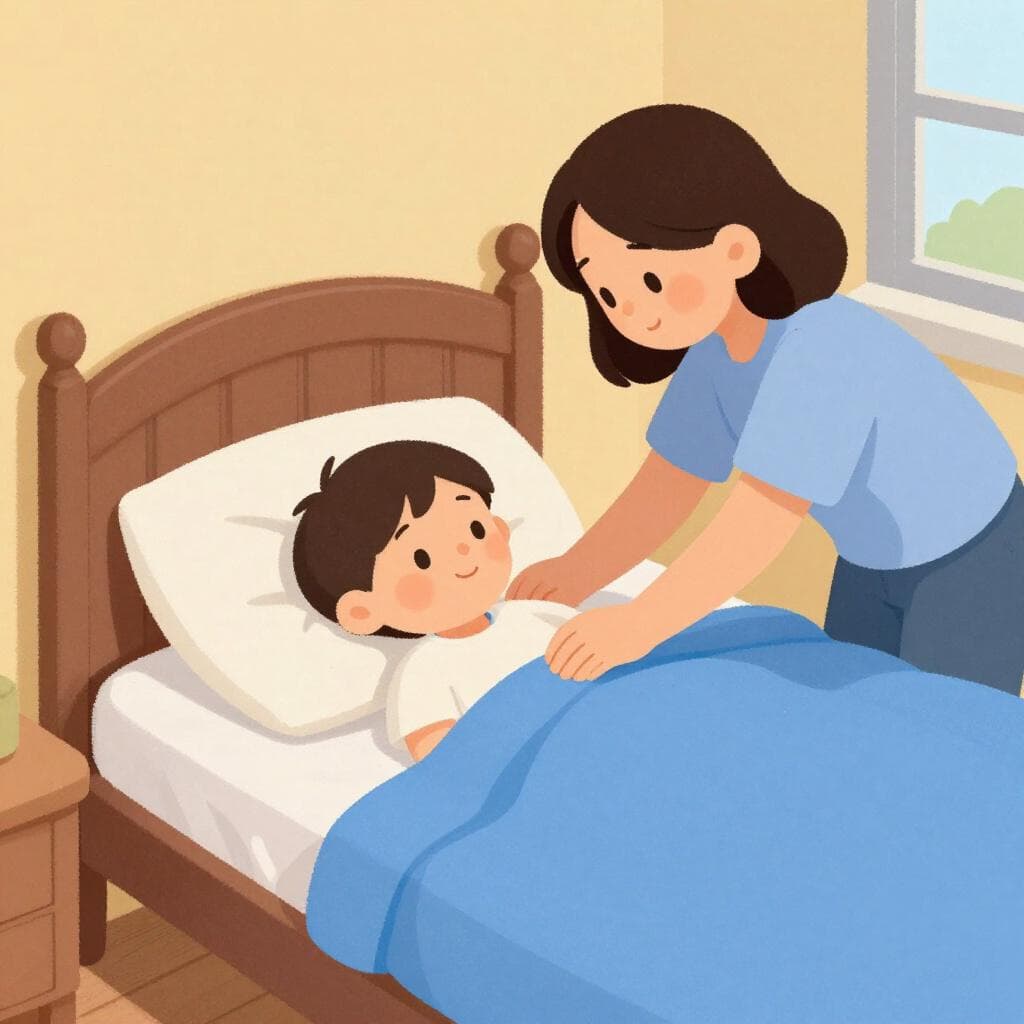
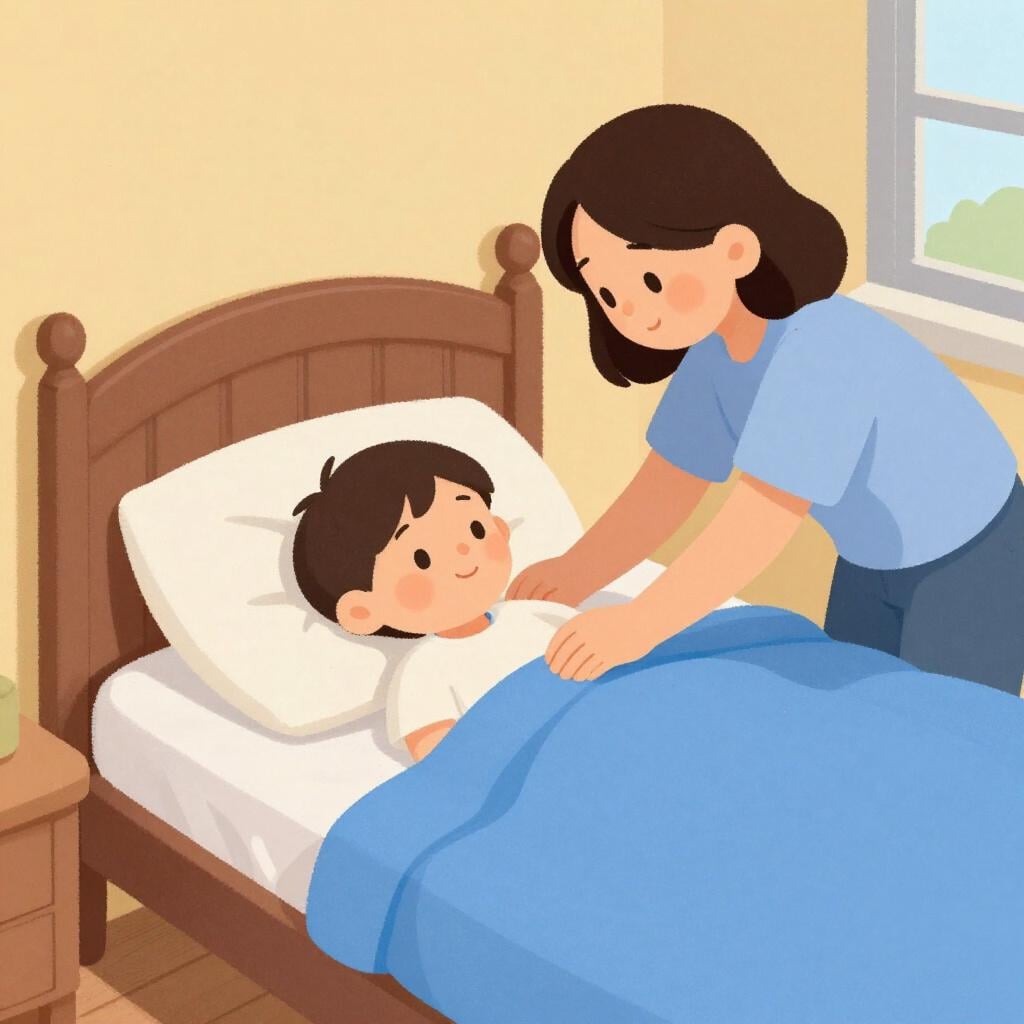
to put to bedAlso: to lay down
📝 In Action
Acuesto a los niños a las ocho de la noche.
A1I put the children to bed at eight at night.
Ella acostó al perro en su camita nueva.
A2She laid the dog down in its new little bed.
Es difícil acostar a un bebé que no tiene sueño.
B1It is difficult to put a baby to bed who isn't sleepy.
Word Connections
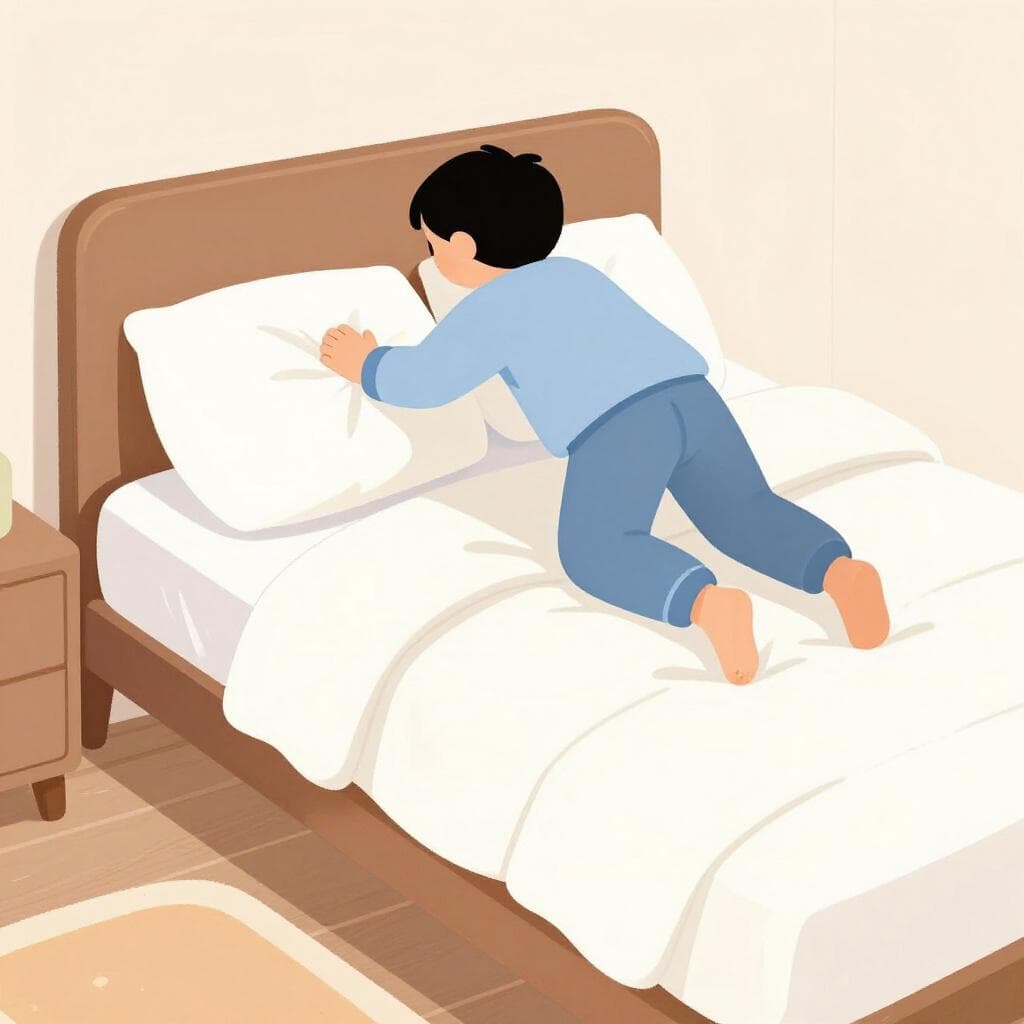
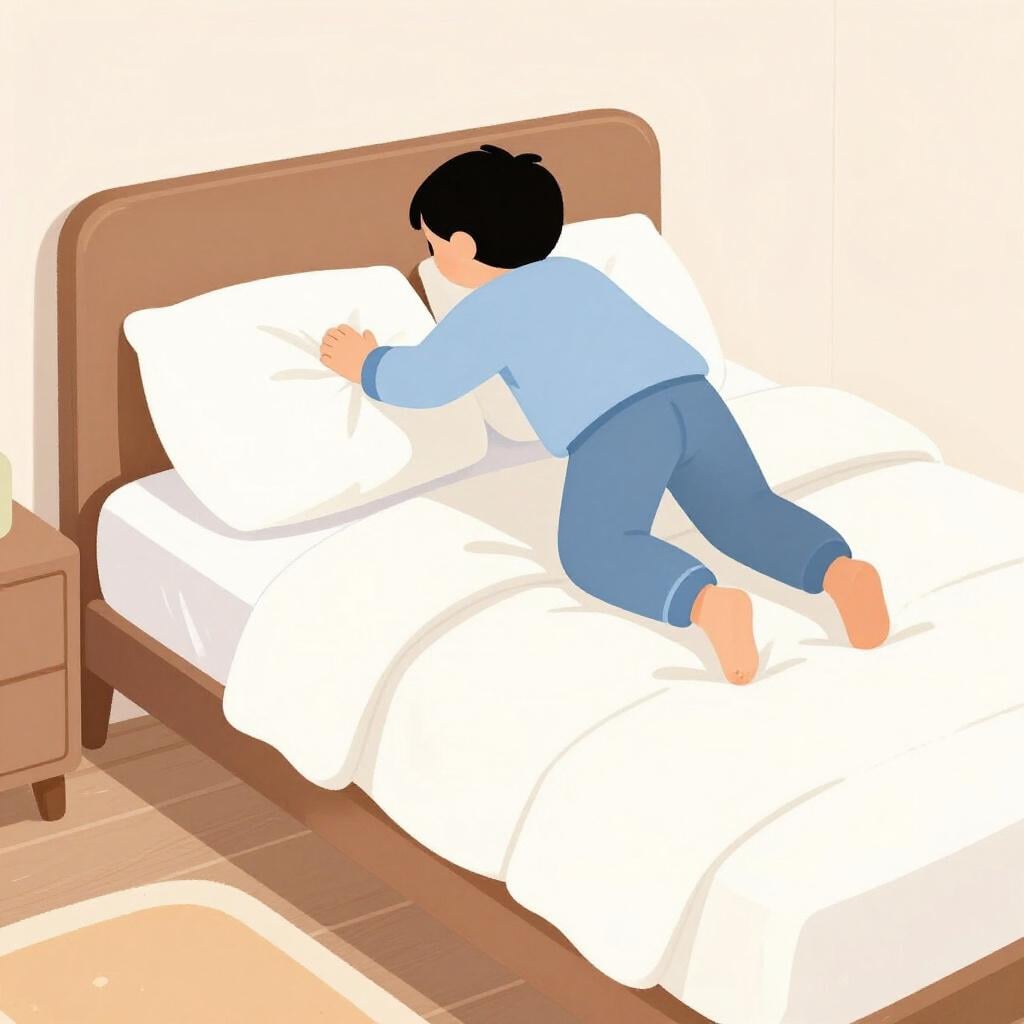
to go to bedAlso: to lie down
📝 In Action
Me acuesto a las diez todas las noches.
A1I go to bed at ten every night.
Si te sientes mal, deberías acostarte un rato.
A2If you feel sick, you should lie down for a while.
¿A qué hora se acostaron ustedes ayer?
B1What time did you all go to bed yesterday?
Word Connections
Subjunctive
Present Subjunctive
Imperfect Subjunctive
Indicative
Present
Preterite
Imperfect
✏️ Quick Practice
Quick Quiz: acostar
Question 1 of 3
How do you say 'I put the baby to bed'?
📚 More Resources
👥 Word Family
📚 Etymology
From Latin 'ad' (to) and 'costa' (side/rib/coast). It originally meant to put someone on their side or to bring a ship to the 'coast' (side).
First recorded: 12th century
Cognates (Related words)
💡 Master Spanish
Take your Spanish to the next level. Read 200+ illustrated and narrated Spanish stories tailored to your level with the Inklingo app!
Frequently Asked Questions
What is the difference between 'acostar' and 'acostarse'?
'Acostar' is used when you put someone else to bed (like a child). 'Acostarse' is used when you go to bed yourself.
Does 'acostar' always change its vowel?
Almost always! In the present tense, it changes from 'o' to 'ue' except for 'nosotros' and 'vosotros'. In the past tense (preterite), it doesn't change at all.
Can I use 'acostar' for objects?
Yes, you can use it to mean 'to lay something down horizontally,' though words like 'poner' or 'dejar' are more common for inanimate objects.