soñar
“soñar” means “to dream” in Spanish. It has 3 different meanings depending on context:
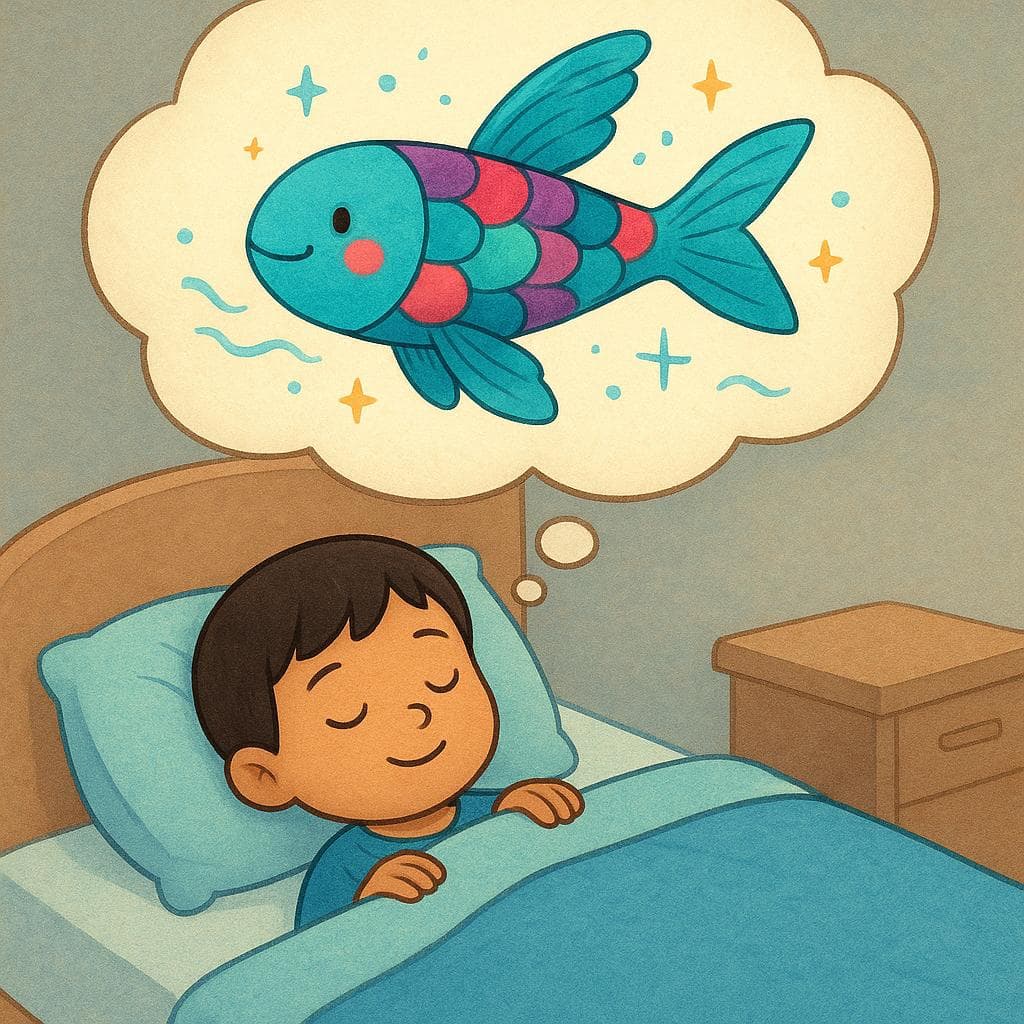


to dream
📝 In Action
Siempre sueño con unicornios cuando duermo.
A1I always dream about unicorns when I sleep.
¿Qué soñaste anoche? Parecías muy feliz.
A2What did you dream last night? You looked very happy.
Word Connections
to dream ofAlso: to hope for

📝 In Action
Mi hermana sueña con ser astronauta desde pequeña.
B1My sister dreams of being an astronaut since she was little.
Todos soñamos con un mundo sin guerras.
B1We all dream of a world without wars.
Él sueña con viajar por toda Europa el próximo año.
B2He dreams of traveling all over Europe next year.
Word Connections
to imagineAlso: to conceive of

📝 In Action
¿Quién soñaría con ir a esa fiesta después de lo que pasó?
B2Who would even imagine going to that party after what happened?
Ni en sueños podemos pagar ese coche.
C1We can't afford that car, not even in our wildest imagination. (Literal: Not even in dreams)
Word Connections
Indicative
Present
Imperfect
Preterite
Subjunctive
Present Subjunctive
Imperfect Subjunctive
Translate to Spanish
Words that translate to "soñar" in Spanish:
✏️ Quick Practice
Quick Quiz: soñar
Question 1 of 2
Which sentence uses 'soñar' to express an aspiration?
📚 More Resources
👥 Word Family
🎵 Rhymes
📚 Etymology
The word comes from the Latin verb *somniare*, which itself is based on *somnium* (dream). This connection highlights that the word has always been tied to the act of sleeping and imagining.
First recorded: Medieval Latin period
Cognates (Related words)
💡 Master Spanish
Take your Spanish to the next level. Read 200+ illustrated and narrated Spanish stories tailored to your level with the Inklingo app!
Frequently Asked Questions
How do I know whether 'sueño' means 'dream' (noun) or 'I dream' (verb)?
The context usually makes it clear! If you see 'el sueño' (the dream), it's the noun. If you see 'Yo sueño' (I dream), it's the verb. Also, the noun 'el sueño' can mean both 'a dream' and 'sleepiness/sleep'.
Why does 'soñar' use 'con' (with) when translating 'to dream about'?
In Spanish, when you dream *about* something, you are conceptually dreaming *with* that thing or idea. This is a fixed pattern in Spanish: 'soñar con algo' (to dream about something).