Inklingo

aguantar

/a-gwan-TAR/

to tolerate

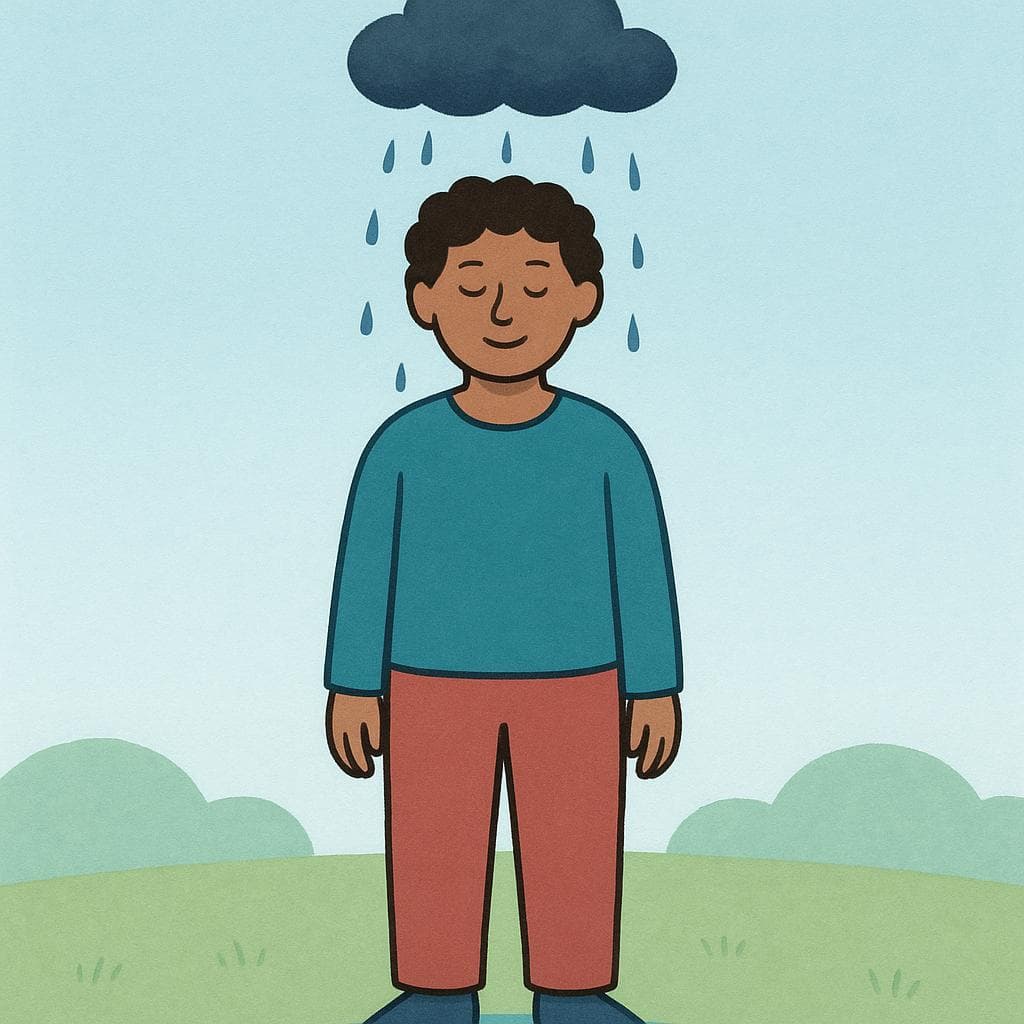
A simplified illustration of a person standing calmly, enduring a small, persistent rain cloud that is only raining directly on their head.

Aguantar can mean to tolerate, like enduring a difficult or annoying situation with patience.

aguantar(verb)

A2regular ar

to tolerate

?

enduring a difficult situation or person

,

to put up with

?

handling annoyance or discomfort

Also:

to stand

?

colloquial for 'to tolerate'

,

to endure

?

formal synonym for 'to put up with'

📝 In Action

No aguanto el ruido de mis vecinos por la noche.

A2

I can't stand the noise from my neighbors at night.

Ella aguantó la presión del examen final con mucha calma.

B1

She endured the pressure of the final exam very calmly.

¿Puedes aguantar hasta que lleguemos al restaurante?

A2

Can you hold on (or endure) until we get to the restaurant?

Word Connections

Synonyms

Antonyms

  • rendirse (to give up)

Common Collocations

  • aguantar el dolorto bear the pain
  • aguantar la respiraciónto hold one's breath

Idioms & Expressions

  • ¡Aguanta un poco!Hold on a minute! / Bear with it!

💡 Grammar Points

Direct Object Needed

When using 'aguantar' to mean 'tolerate,' you usually need to say what you are tolerating immediately afterward (e.g., 'Aguanto el calor'—I tolerate the heat).

❌ Common Pitfalls

Confusing with 'Esperar'

Mistake: "Using 'aguantar' when you simply mean 'to wait' for a specific time or event ('Aguanto el bus')."

Correction: Use 'esperar' for waiting ('Espero el bus'). Use 'aguantar' when the waiting involves endurance or difficulty.

⭐ Usage Tips

Expressing Frustration

A very common, strong way to express frustration is using the negative: 'No lo aguanto más' (I can't stand it anymore).

A simplified illustration of a strong figure using their hands to hold up a massive, heavy, round stone above their head.

Aguantar also means to hold (up), specifically supporting physical weight.

aguantar(verb)

B1regular ar

to hold (up)

?

physically supporting weight

,

to bear weight

?

carrying a load

Also:

to sustain

?

keeping something stable

📝 In Action

Esta mesa no aguanta tanto peso; es muy vieja.

B1

This table won't hold up that much weight; it's very old.

El pilar central aguanta todo el techo.

B2

The central pillar supports the entire roof.

Aguanta la cuerda con fuerza para que no se caiga.

B1

Hold the rope tightly so it doesn't fall.

Word Connections

Synonyms

  • sostener (to hold, to support)
  • sujetar (to hold, to secure)

Antonyms

  • soltar (to release, to let go)

Common Collocations

  • aguantar la respiraciónto hold one's breath
  • aguantar el golpeto absorb the blow

💡 Grammar Points

Use with Reflexive Pronouns

If you are holding yourself up (like holding onto a rail), you often add the reflexive 'se': 'Se aguantó de la barandilla' (He held himself up by the railing).

❌ Common Pitfalls

Using 'Soportar'

Mistake: "Sometimes learners default to 'soportar' for physical holding, but 'aguantar' often sounds more natural for bearing weight or pressure."

Correction: While 'soportar' works, 'aguantar' is a great, versatile choice for both physical and emotional endurance.

⭐ Usage Tips

The 'Hold On' Command

To tell someone to physically hold something steady, use the imperative: '¡Aguanta fuerte!' (Hold tight!).

🔄 Conjugations

indicative

present

él/ella/ustedaguanta
yoaguanto
aguantas
ellos/ellas/ustedesaguantan
nosotrosaguantamos
vosotrosaguantáis

imperfect

él/ella/ustedaguantaba
yoaguantaba
aguantabas
ellos/ellas/ustedesaguantaban
nosotrosaguantábamos
vosotrosaguantabais

preterite

él/ella/ustedaguantó
yoaguanté
aguantaste
ellos/ellas/ustedesaguantaron
nosotrosaguantamos
vosotrosaguantasteis

subjunctive

present

él/ella/ustedaguante
yoaguante
aguantes
ellos/ellas/ustedesaguanten
nosotrosaguantemos
vosotrosaguantéis

imperfect

él/ella/ustedaguantara
yoaguantara
aguantaras
ellos/ellas/ustedesaguantaran
nosotrosaguantáramos
vosotrosaguantarais

✏️ Quick Practice

💡 Quick Quiz: aguantar

Question 1 of 2

Which English word best captures the meaning of 'aguantar' in the sentence: 'Mi coche viejo ya no aguanta los viajes largos.'

📚 More Resources

Word Family

Frequently Asked Questions

Is 'aguantar' the same as 'soportar'?

They are very similar! Both mean 'to tolerate' or 'to bear.' In most cases, you can use them interchangeably. However, 'aguantar' often feels slightly more focused on the personal act of enduring or resisting hardship, while 'soportar' can sometimes be more neutral when discussing physical support.

How do I use 'aguantar' when talking about holding my breath?

You use the reflexive form and the specific noun: 'aguantar la respiración' (to hold one's breath). For example: 'No puedo aguantar la respiración por mucho tiempo' (I can't hold my breath for a long time).