alcantarilla
“alcantarilla” means “drain” in Spanish. It has 2 different meanings depending on context:


drain, sewer
Also: manhole, gutter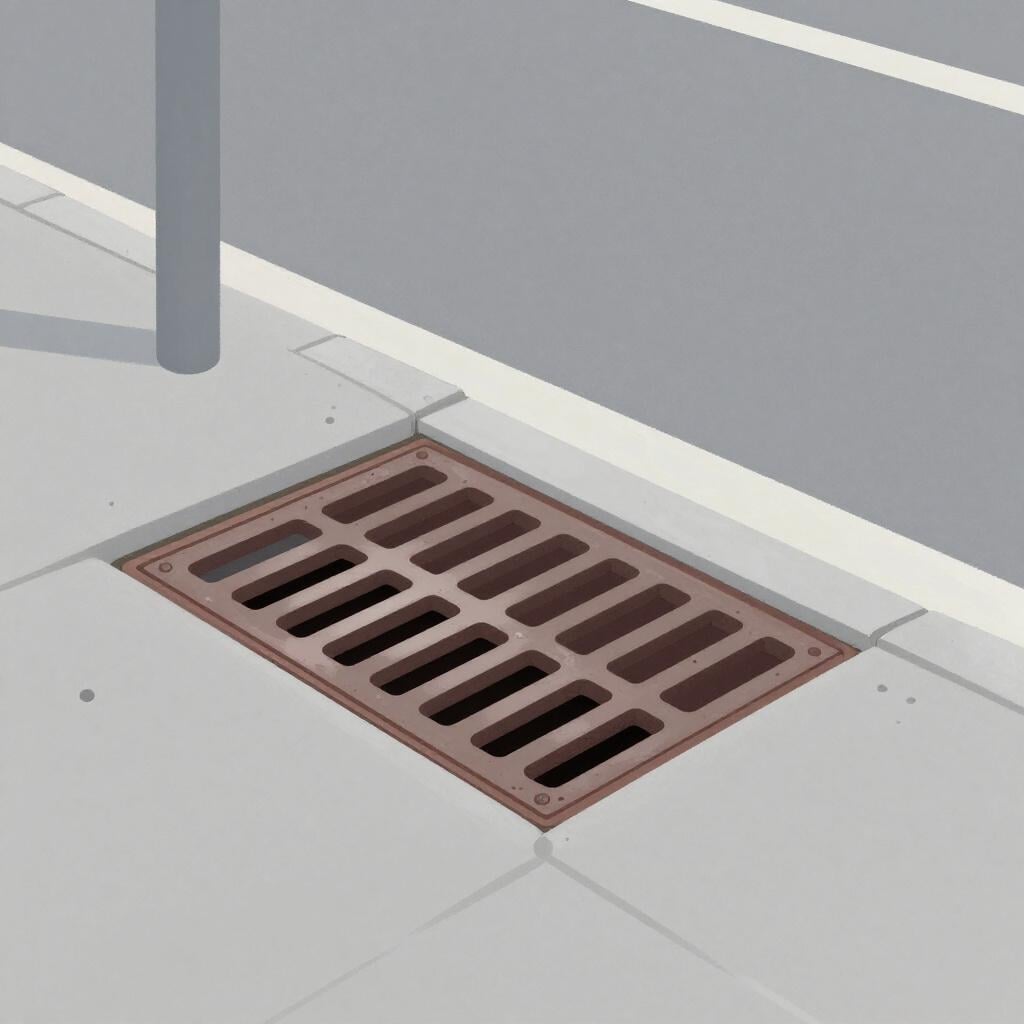
📝 In Action
Ten cuidado, no dejes caer las llaves por la alcantarilla.
A2Be careful, don't drop your keys down the drain.
El agua de la lluvia fluye rápidamente hacia la alcantarilla.
B1The rainwater flows quickly toward the sewer.
Los trabajadores están limpiando la alcantarilla para evitar inundaciones.
B2The workers are cleaning the drain to prevent flooding.
culvert
Also: conduit
📝 In Action
La carretera pasa sobre una pequeña alcantarilla de piedra.
C1The road passes over a small stone culvert.
Translate to Spanish
✏️ Quick Practice
Quick Quiz: alcantarilla
Question 1 of 3
¿De qué género es la palabra 'alcantarilla'?
📚 More Resources
👥 Word Family▼
📚 Etymology▼
From the Arabic word 'al-qanṭara', which means 'the bridge'. The Spanish added the suffix '-illa' to make it a 'little bridge', referring to the way small arches were built for water to pass under roads.
First recorded: 13th century
Cognates (Related words)
💡 Master Spanish
Take your Spanish to the next level. Read 200+ illustrated and narrated Spanish stories tailored to your level with the Inklingo app!
Frequently Asked Questions
What is the difference between 'alcantarilla' and 'cloaca'?
An 'alcantarilla' is usually the street drain or the entry point, while 'cloaca' refers to the large underground tunnels that carry waste. 'Cloaca' can also be used figuratively to describe something very dirty or corrupt.
Can I use 'alcantarilla' for a kitchen sink drain?
No, for a kitchen sink or bathroom drain, use the word 'desagüe' or 'sumidero'. 'Alcantarilla' is specifically for street and city infrastructure.
Is it used in all Spanish-speaking countries?
Yes, it is widely understood, though some regions prefer 'coladera' (Mexico) or 'sumidero'.