How to Say "gutter" in Spanish
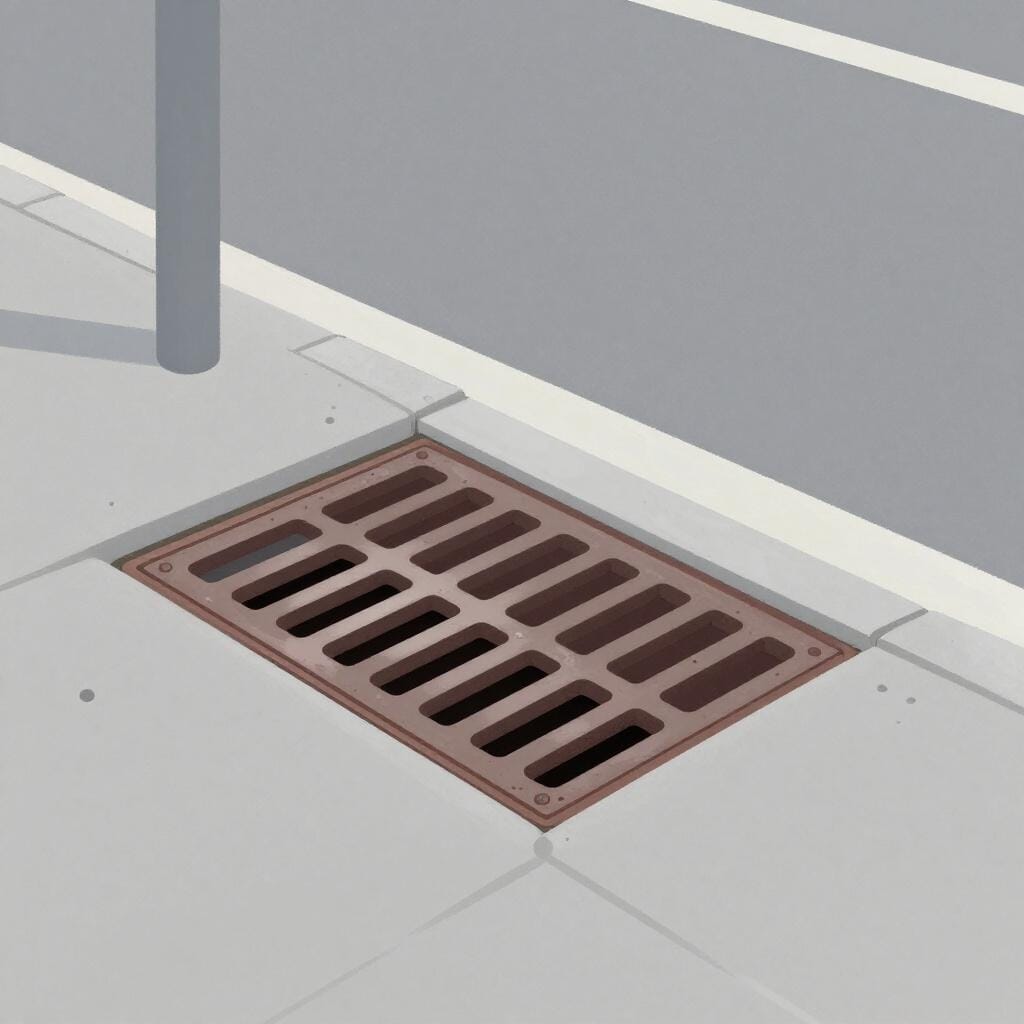
The most common Spanish word for “gutter” is “alcantarilla” — use 'alcantarilla' for the drain or grate on a street where water flows into the underground sewage system.

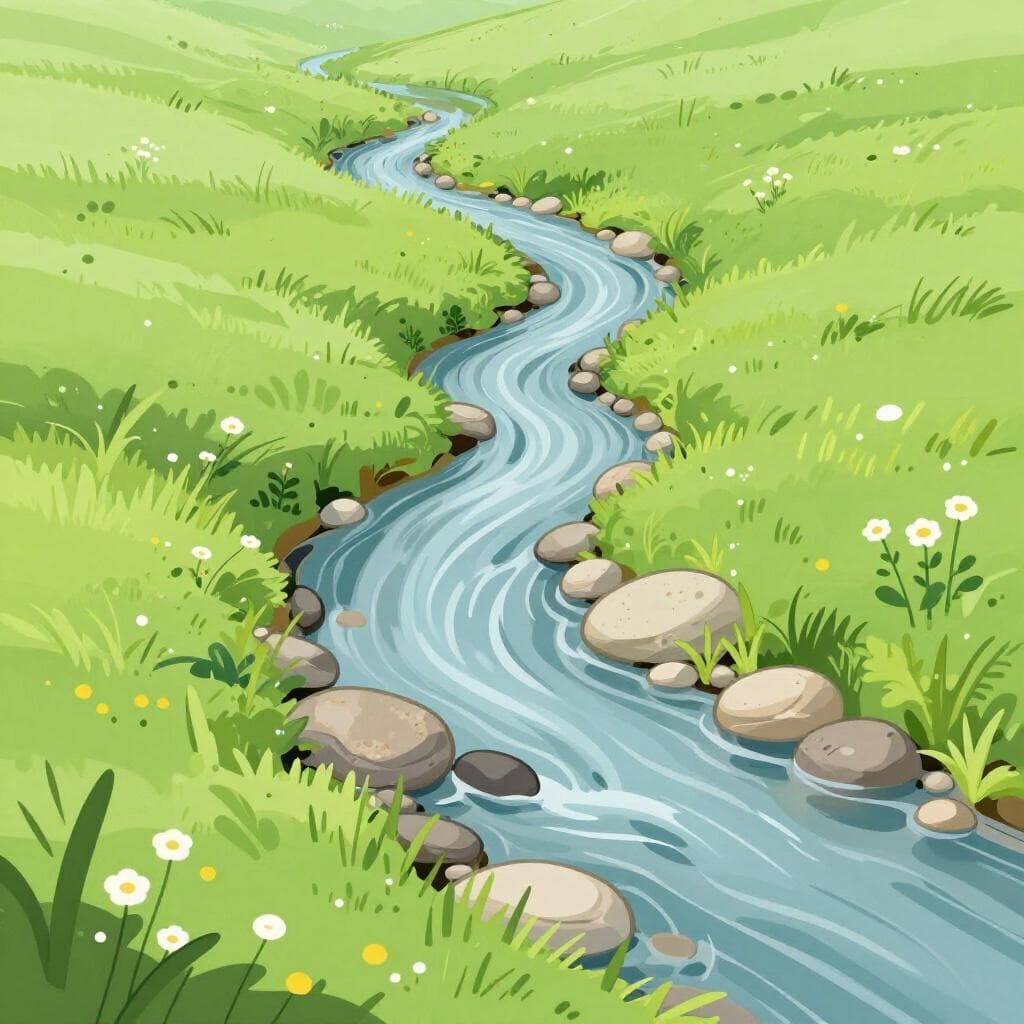
alcantarilla
al-kan-ta-ree-yaalkantaˈɾiʝa
Examples
El agua de lluvia se va por la alcantarilla.
The rainwater goes down the drain.
Ten cuidado, no dejes caer las llaves por la alcantarilla.
Be careful, don't drop your keys down the drain.
El agua de la lluvia fluye rápidamente hacia la alcantarilla.
The rainwater flows quickly toward the sewer.
Los trabajadores están limpiando la alcantarilla para evitar inundaciones.
The workers are cleaning the drain to prevent flooding.
Gender Check
This word is feminine, so always use 'la' or 'una'. For example: 'la alcantarilla' (the drain).
Using 'por' for movement
When something falls or moves through a drain, use the word 'por'. Example: 'El agua pasa por la alcantarilla' (The water goes through the drain).
Alcantarilla vs. Drenaje
Mistake: “Using 'el alcantarilla' instead of 'el drenaje' for general drainage.”
Correction: Use 'la alcantarilla' for the specific street structure, and 'el drenaje' for the general concept of plumbing or drainage systems.
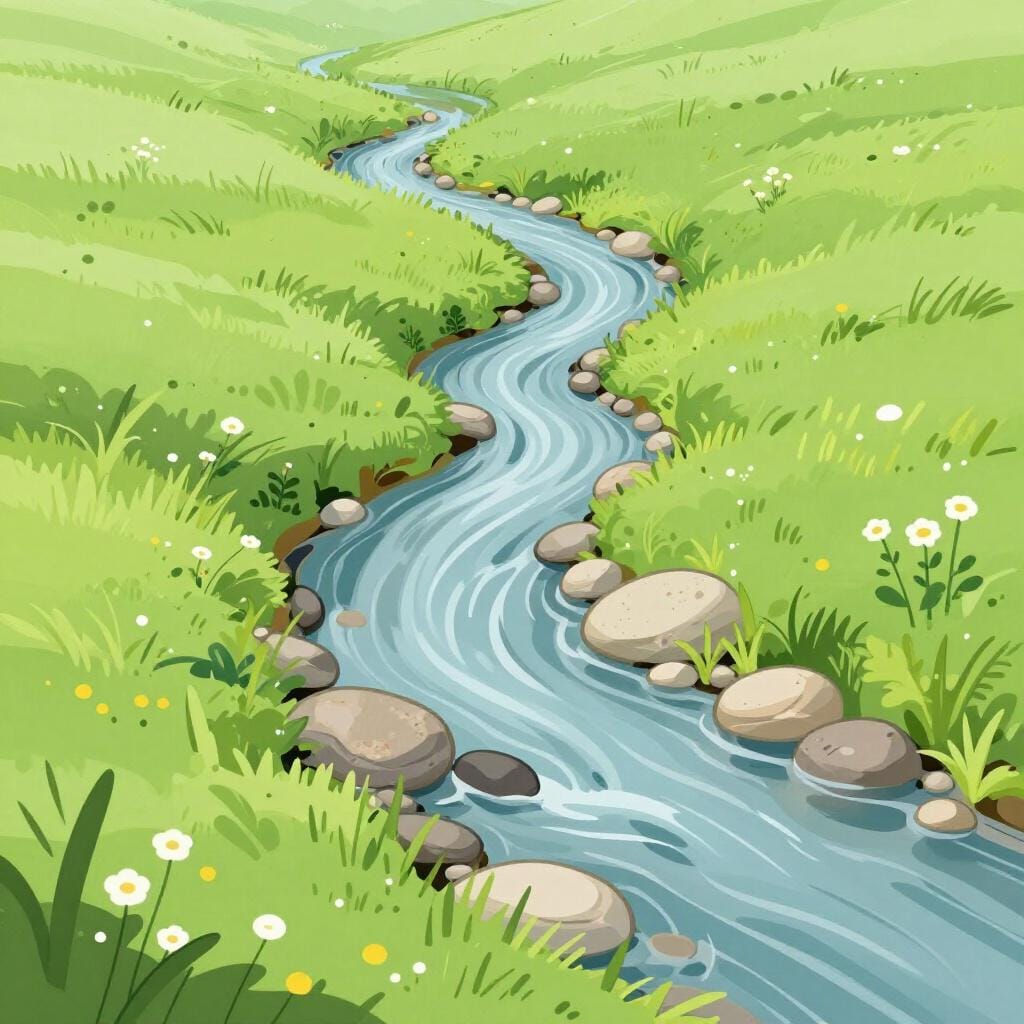
arroyo
ah-RO-yoaˈroʝo
Examples
El coche pasó por el borde del arroyo de la carretera.
The car drove along the edge of the road's gutter.
Fuimos a caminar por la orilla del arroyo.
We went for a walk along the bank of the stream.
El agua del arroyo es muy clara y fresca.
The water in the brook is very clear and cool.
Después de la tormenta, el arroyo de la calle se inundó.
After the storm, the street gutter flooded.
Masculine Nouns in -o
Since this word ends in -o, it is masculine. You should use 'el' or 'un' with it: 'el arroyo'.
Arroyo vs. Río
Mistake: “Using 'río' for every body of flowing water.”
Correction: Use 'arroyo' for small, shallow streams. Use 'río' for larger rivers like the Nile or the Amazon.
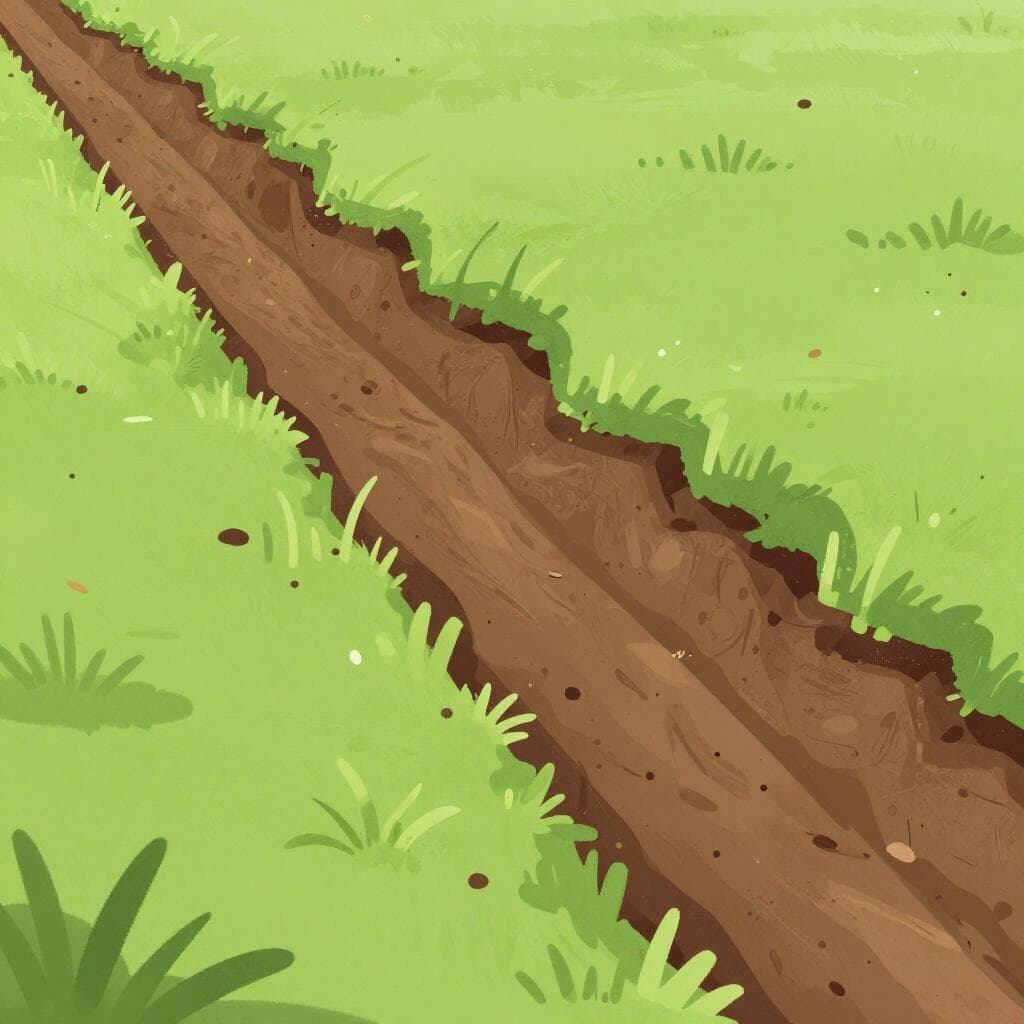
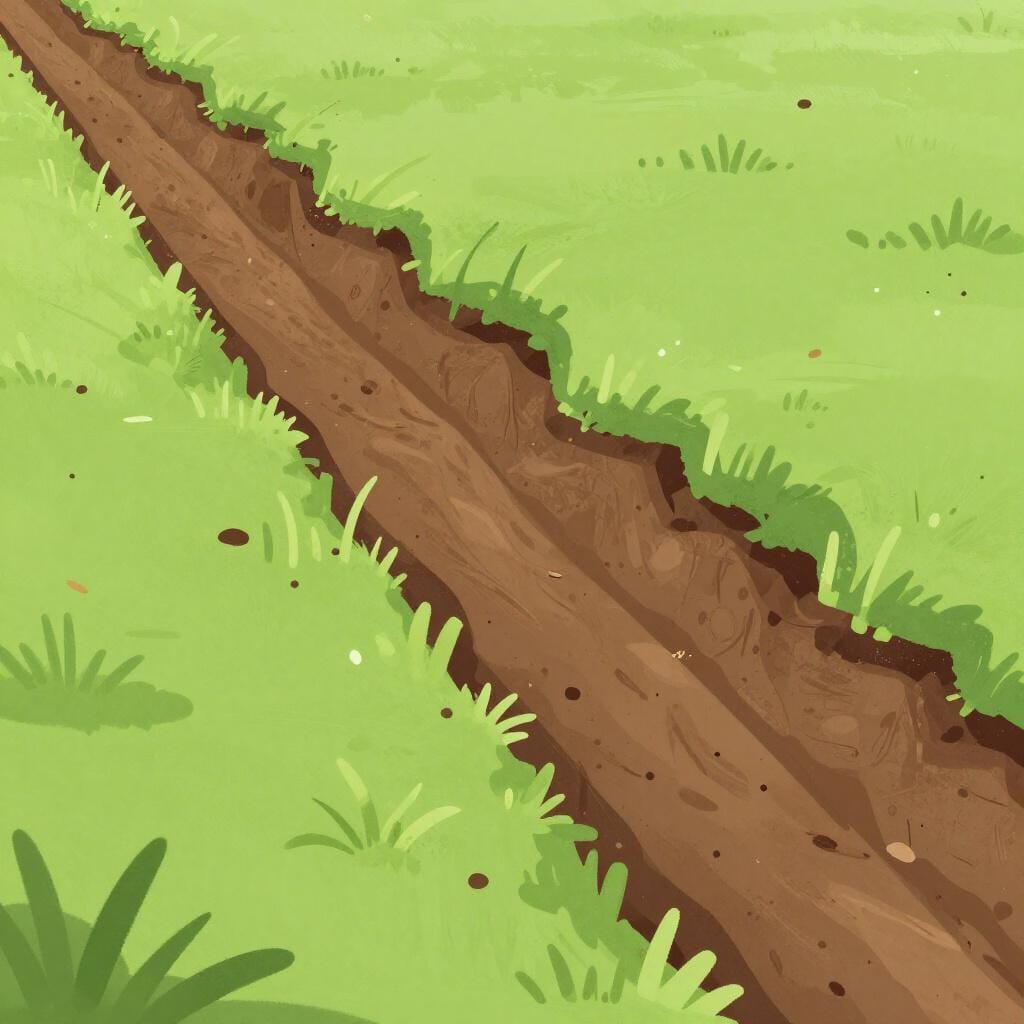
zanja
SAHN-hahˈsanxa
Examples
Tuvieron que cavar una zanja para desviar el agua del campo.
They had to dig a ditch to divert the water from the field.
Tuvieron que cavar una zanja para las tuberías del agua.
They had to dig a ditch for the water pipes.
Ten cuidado, no te caigas en la zanja.
Be careful, don't fall into the ditch.
El agua de la lluvia corre por la zanja al lado del camino.
Rainwater runs through the ditch next to the road.
Feminine Noun
This word is feminine, so you should always use 'la' or 'una' with it (e.g., la zanja).
Plural Form
To talk about more than one, simply add an 's' to get 'zanjas'.
Zanja vs. Agujero
Mistake: “Usé una zanja para plantar una semilla.”
Correction: Hice un agujero para plantar una semilla.
Drain vs. Roadside Channel
Learn Spanish with Inklingo
Interactive stories, personalized learning, and more.