How to Say "ditch" in Spanish
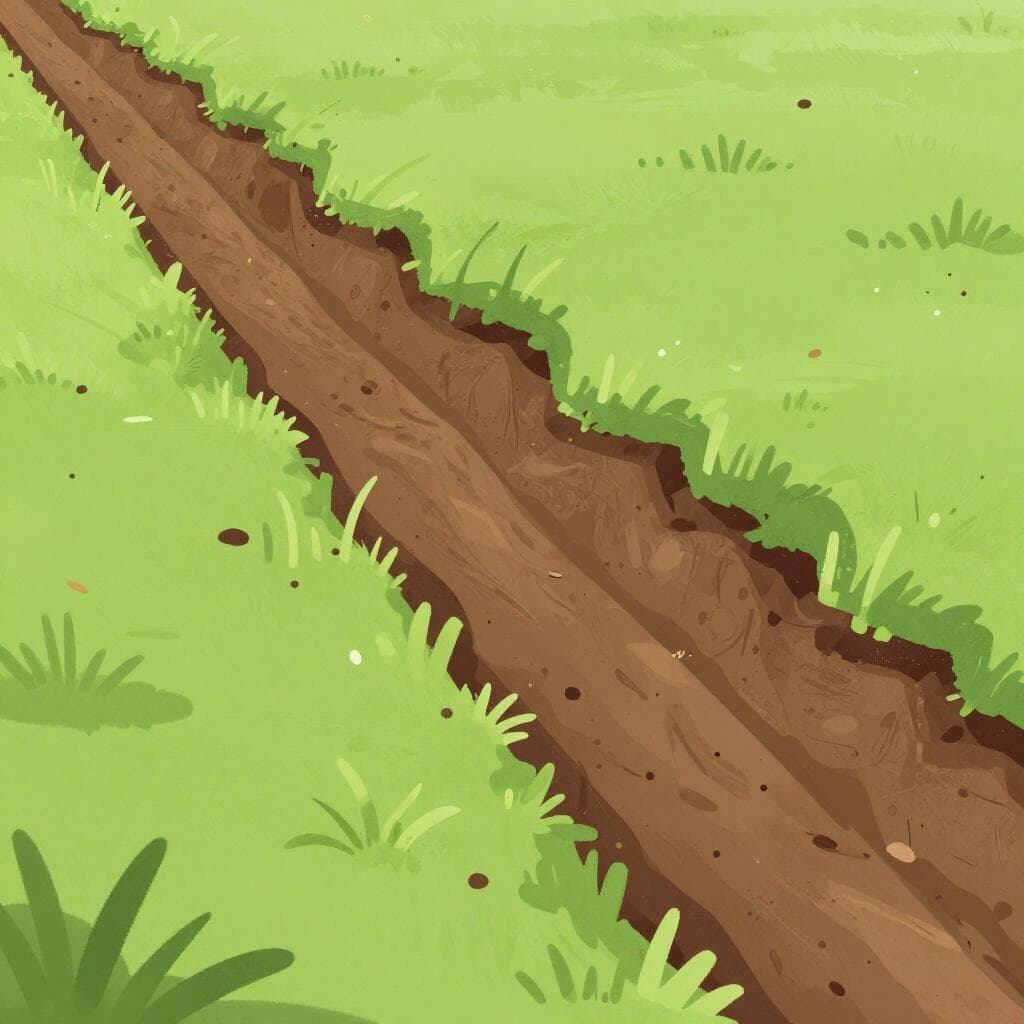
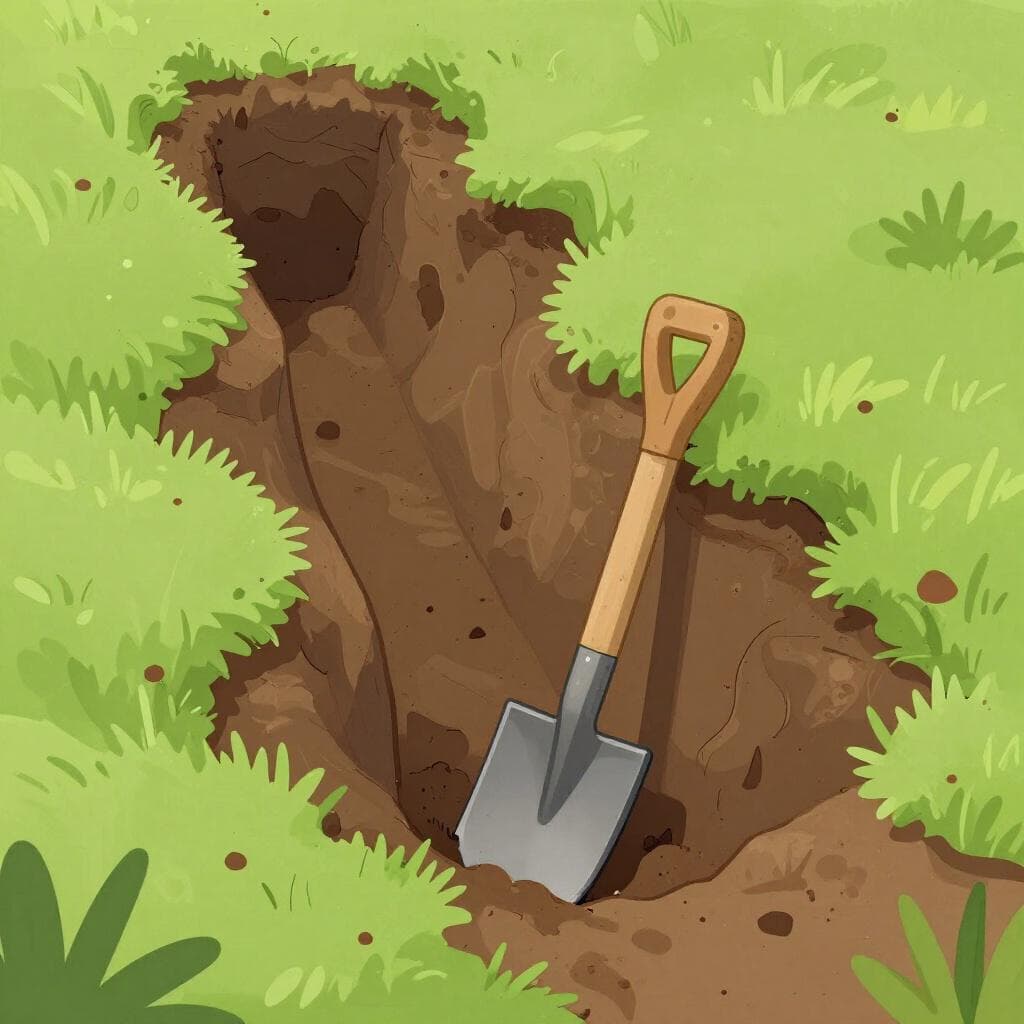
The most common Spanish word for “ditch” is “zanja” — use 'zanja' for a general, long, and narrow hole dug in the ground, typically for practical purposes like laying pipes or drainage.

zanja
SAHN-hahˈsanxa
Examples
Tuvieron que cavar una zanja para las tuberías del agua.
They had to dig a ditch for the water pipes.
Ten cuidado, no te caigas en la zanja.
Be careful, don't fall into the ditch.
El agua de la lluvia corre por la zanja al lado del camino.
Rainwater runs through the ditch next to the road.
Feminine Noun
This word is feminine, so you should always use 'la' or 'una' with it (e.g., la zanja).
Plural Form
To talk about more than one, simply add an 's' to get 'zanjas'.
Zanja vs. Agujero
Mistake: “Usé una zanja para plantar una semilla.”
Correction: Hice un agujero para plantar una semilla.
cauce
KOW-sehˈkawse
Examples
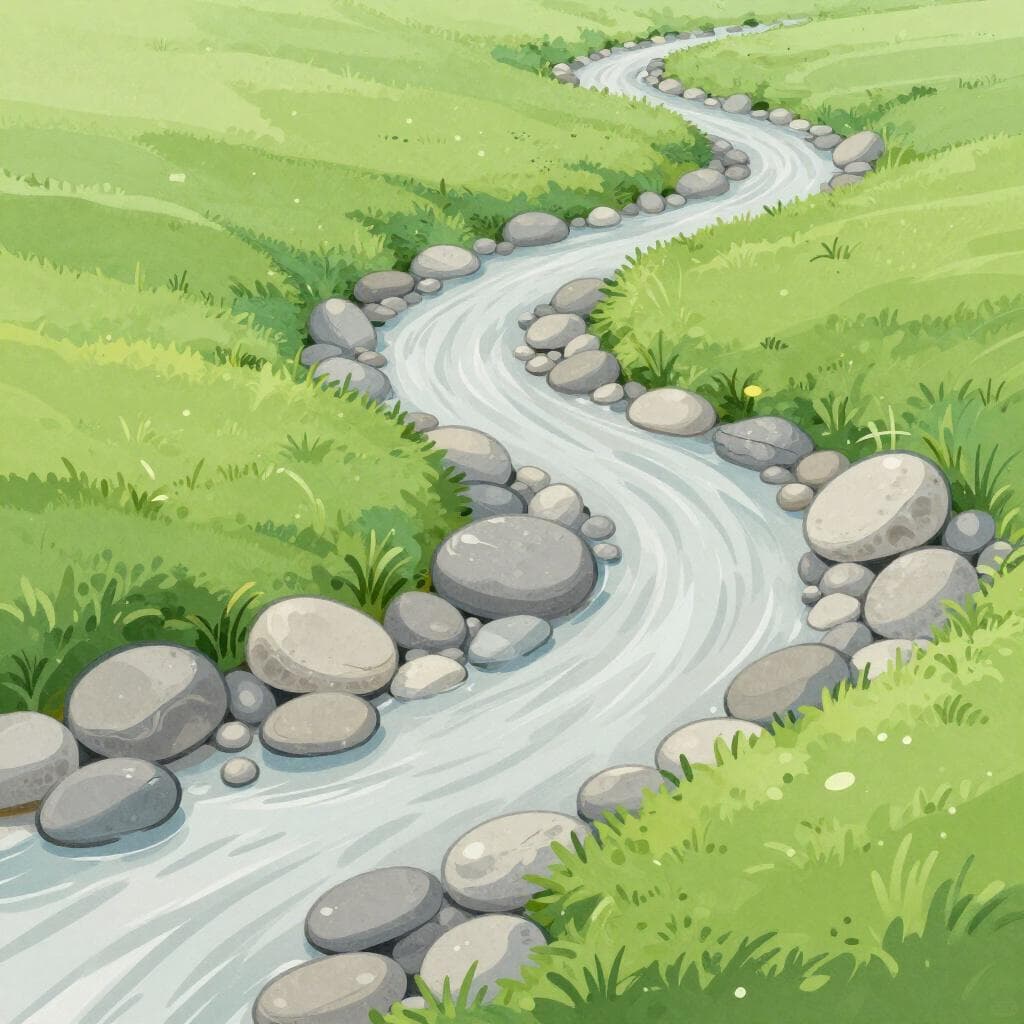
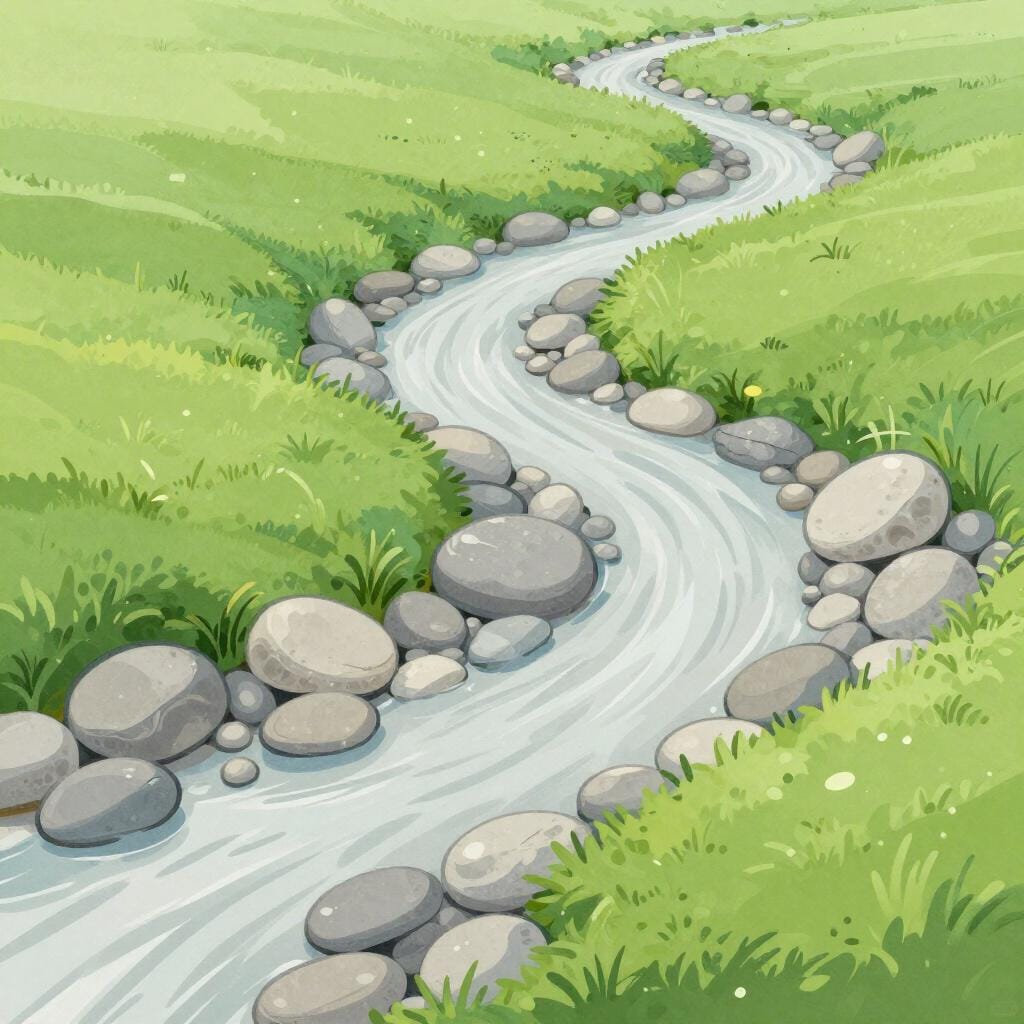
Las piedras en el cauce del río son muy suaves.
The stones in the riverbed are very smooth.
El río se salió de su cauce tras la tormenta.
The river overflowed its bed after the storm.
Es necesario limpiar el cauce para evitar inundaciones.
It is necessary to clean the channel to prevent floods.
Gender Alert
Even though it ends in 'e', 'cauce' is a masculine noun. You must use 'el' or 'un' with it.
Plural Form
To make it plural, just add an 's' at the end: 'los cauces'.
The 'Cause' Confusion
Mistake: “Using 'cauce' to mean 'the reason for something' (because of English).”
Correction: Use 'causa' for 'reason' or 'cause.' 'Cauce' is only for riverbeds or metaphorical channels.
canal
kah-NAHLkaˈnal

Examples
El Canal de Panamá es una obra de ingeniería impresionante.
The Panama Canal is an impressive engineering work.
Tuvimos que cruzar un pequeño canal de riego para llegar al campo.
We had to cross a small irrigation ditch to reach the field.
Geographical Names
When referring to famous geographical features, the word 'canal' often remains capitalized, like 'El Canal de la Mancha' (The English Channel).
trinchera
treen-CHEH-rahtɾinˈtʃeɾa
Examples
Los soldados pasaron meses viviendo en la trinchera.
The soldiers spent months living in the trench.
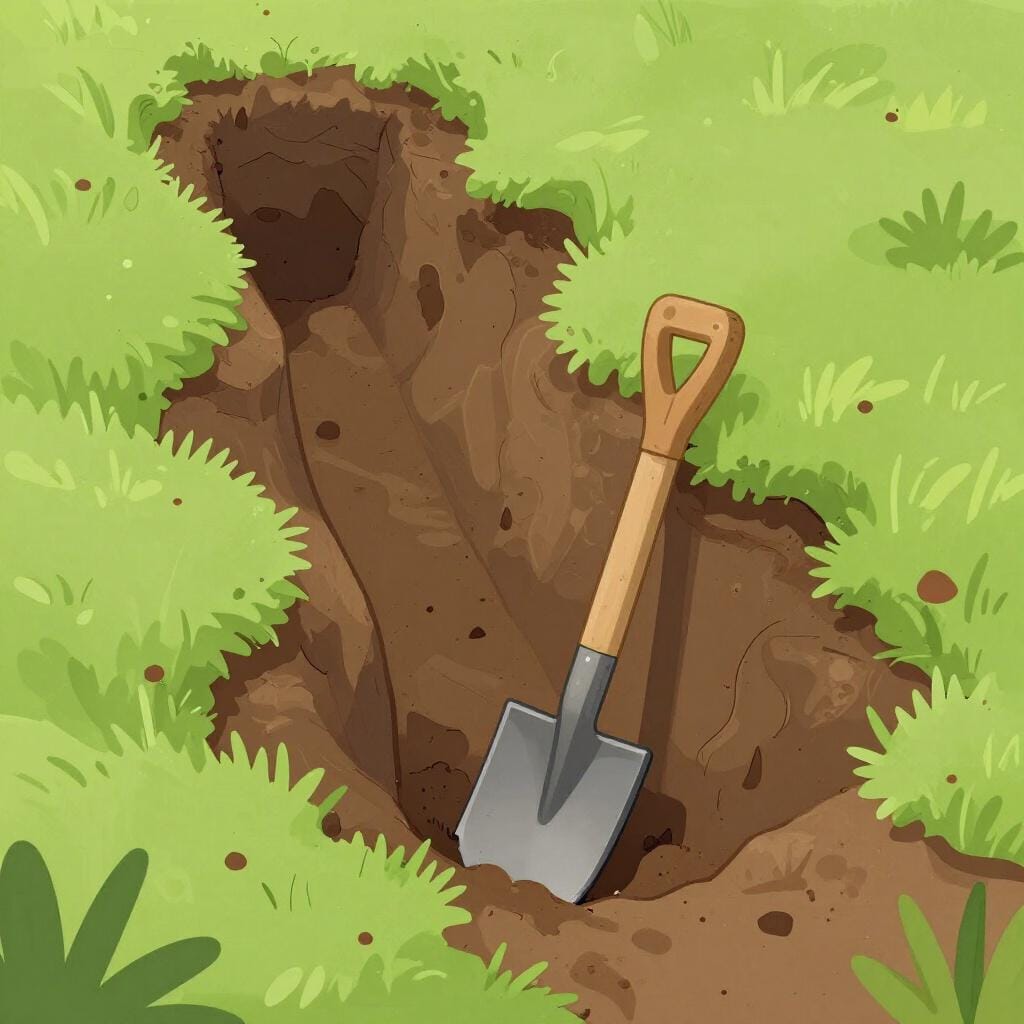
Tuvieron que cavar una trinchera profunda para los cables.
They had to dig a deep trench for the cables.
La lluvia inundó la trinchera durante la noche.
The rain flooded the trench during the night.
Gender Identification
Even though it sounds like it could be technical, 'trinchera' follows the standard rule: it ends in 'a' and is feminine, so always use 'la' or 'una'.
Pluralization
To talk about more than one, simply add an 's' to the end: 'las trincheras'.
Don't confuse with 'zanja'
Mistake: “Usar 'trinchera' para una zanja de construcción pequeña.”
Correction: Use 'trinchera' for military defense or very large excavations. Use 'zanja' for small utility ditches.
Zanja vs. Cauce/Canal
Learn Spanish with Inklingo
Interactive stories, personalized learning, and more.