How to Say "trench" in Spanish
The most common Spanish word for “trench” is “zanja” — use 'zanja' for a dug channel or ditch, often for infrastructure like pipes or drainage, and sometimes in military contexts.
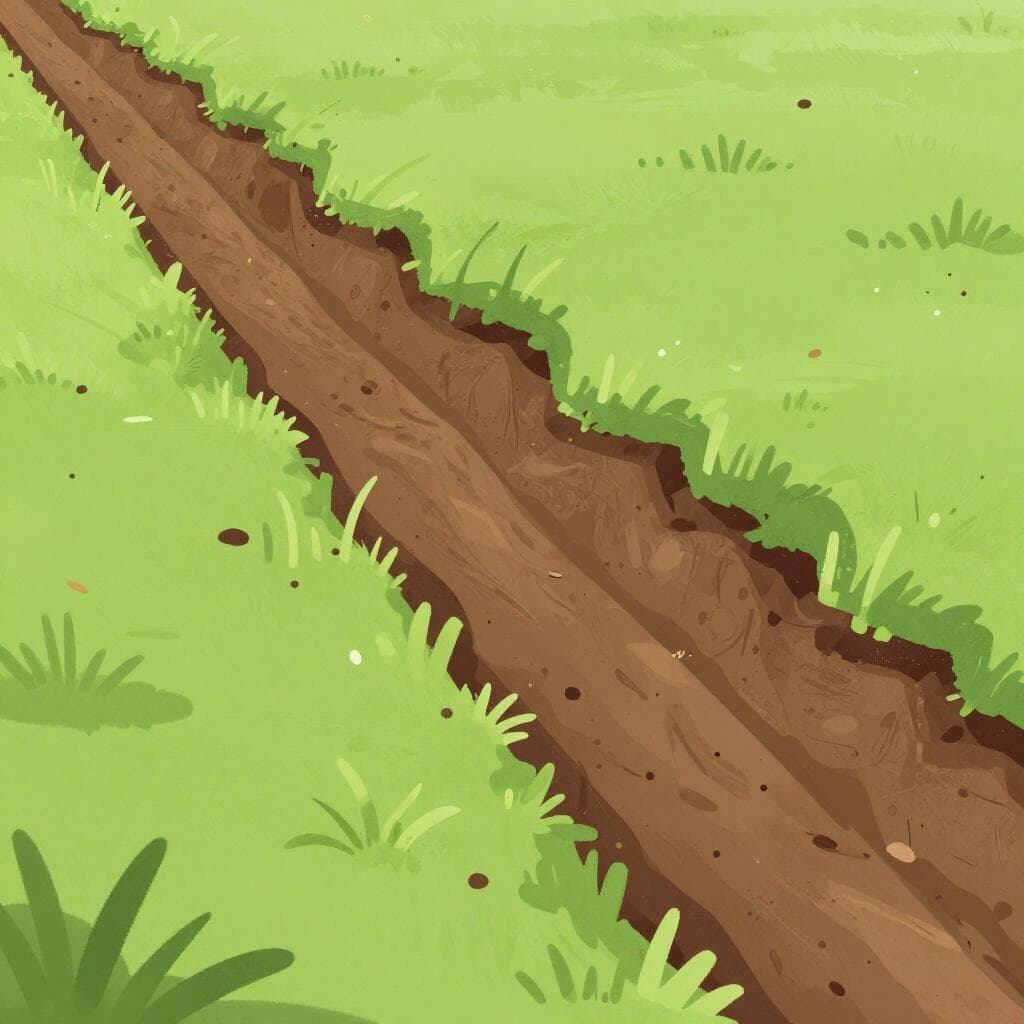
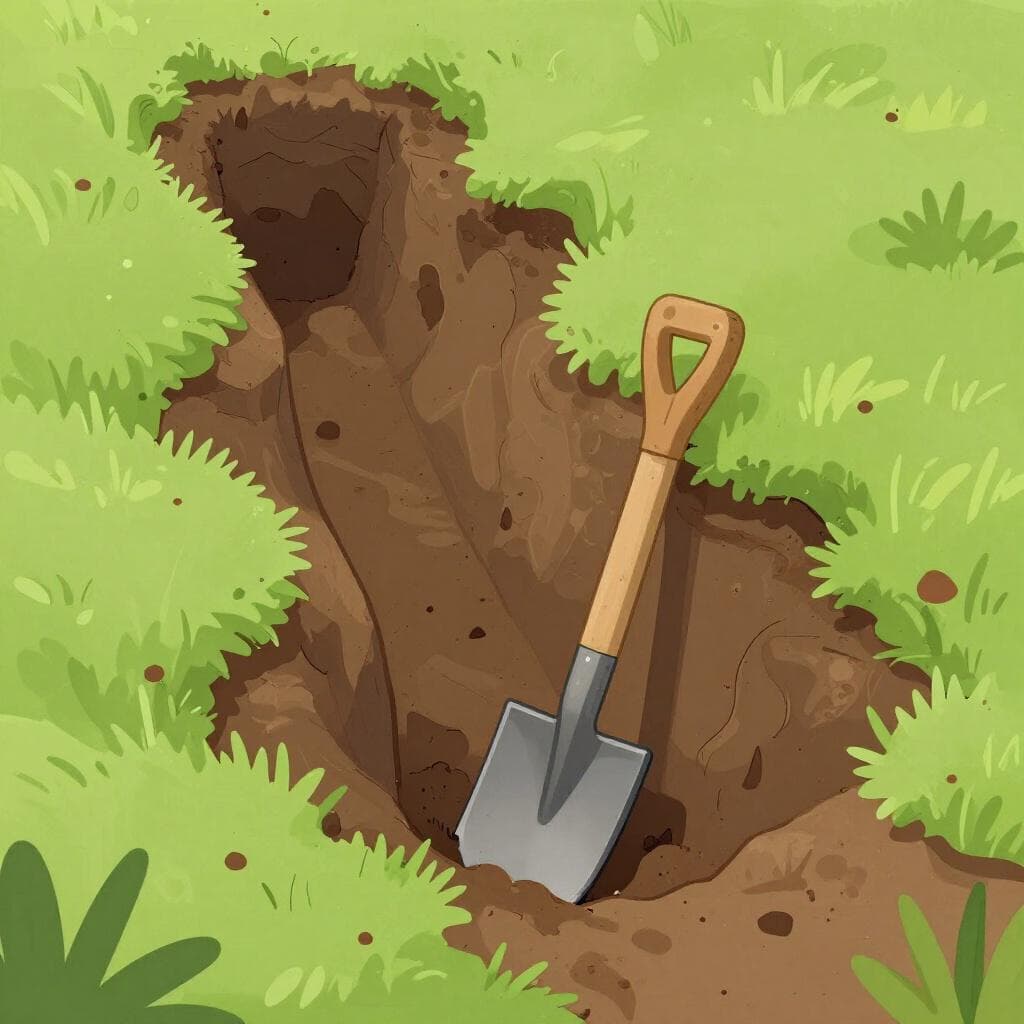
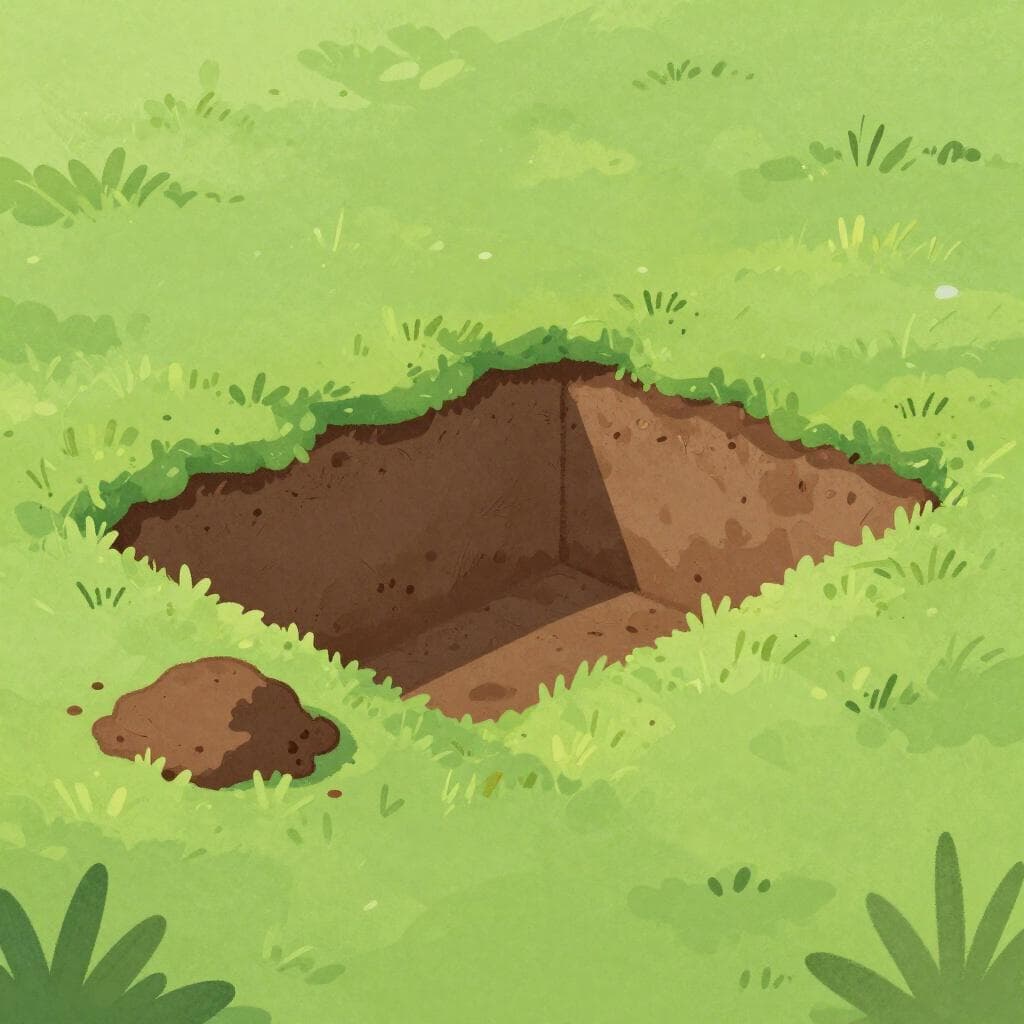
zanja
SAHN-hahˈsanxa
Examples
Tuvieron que cavar una zanja para las tuberías del agua.
They had to dig a ditch for the water pipes.
Ten cuidado, no te caigas en la zanja.
Be careful, don't fall into the ditch.
El agua de la lluvia corre por la zanja al lado del camino.
Rainwater runs through the ditch next to the road.
Feminine Noun
This word is feminine, so you should always use 'la' or 'una' with it (e.g., la zanja).
Plural Form
To talk about more than one, simply add an 's' to get 'zanjas'.
Zanja vs. Agujero
Mistake: “Usé una zanja para plantar una semilla.”
Correction: Hice un agujero para plantar una semilla.
trinchera
treen-CHEH-rahtɾinˈtʃeɾa
Examples
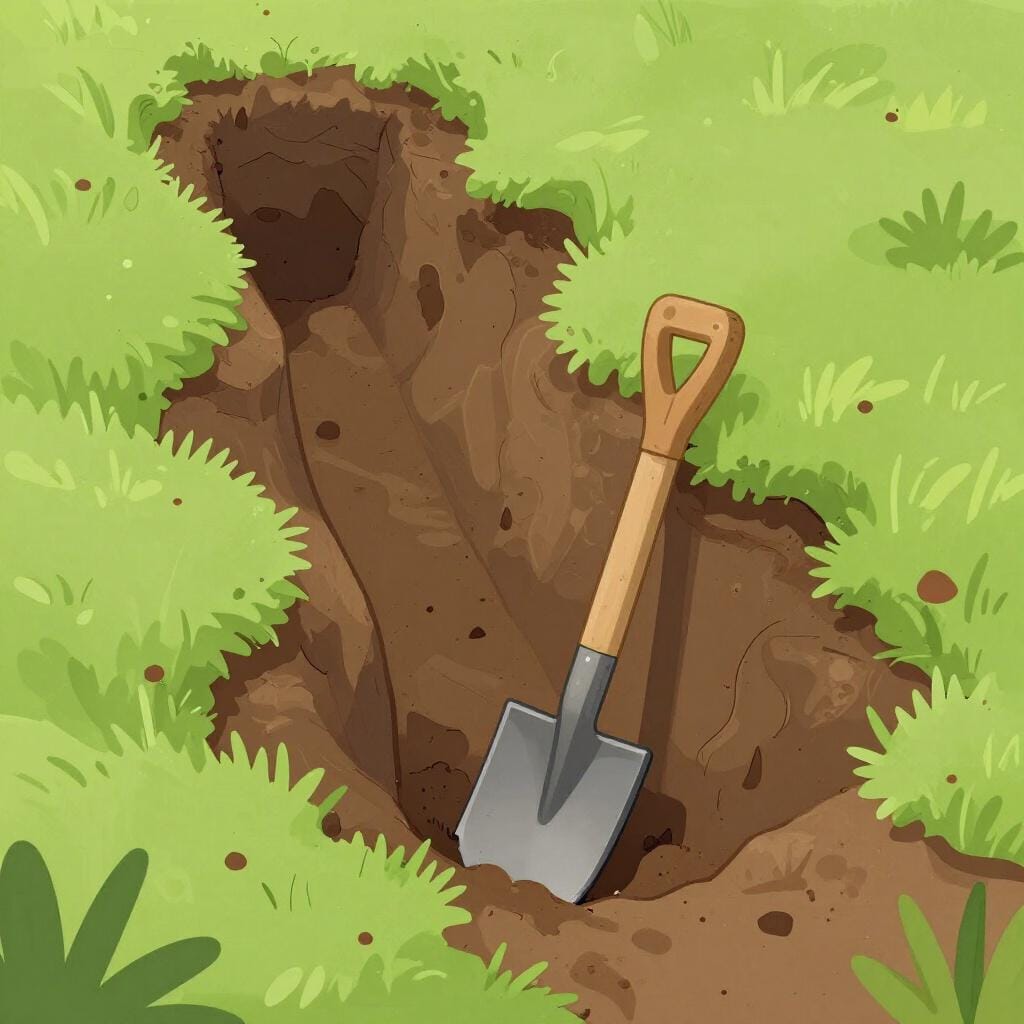
Los soldados pasaron meses viviendo en la trinchera.
The soldiers spent months living in the trench.
Tuvieron que cavar una trinchera profunda para los cables.
They had to dig a deep trench for the cables.
La lluvia inundó la trinchera durante la noche.
The rain flooded the trench during the night.
Gender Identification
Even though it sounds like it could be technical, 'trinchera' follows the standard rule: it ends in 'a' and is feminine, so always use 'la' or 'una'.
Pluralization
To talk about more than one, simply add an 's' to the end: 'las trincheras'.
Don't confuse with 'zanja'
Mistake: “Usar 'trinchera' para una zanja de construcción pequeña.”
Correction: Use 'trinchera' for military defense or very large excavations. Use 'zanja' for small utility ditches.
fosa
FOH-sahˈfosa
Examples
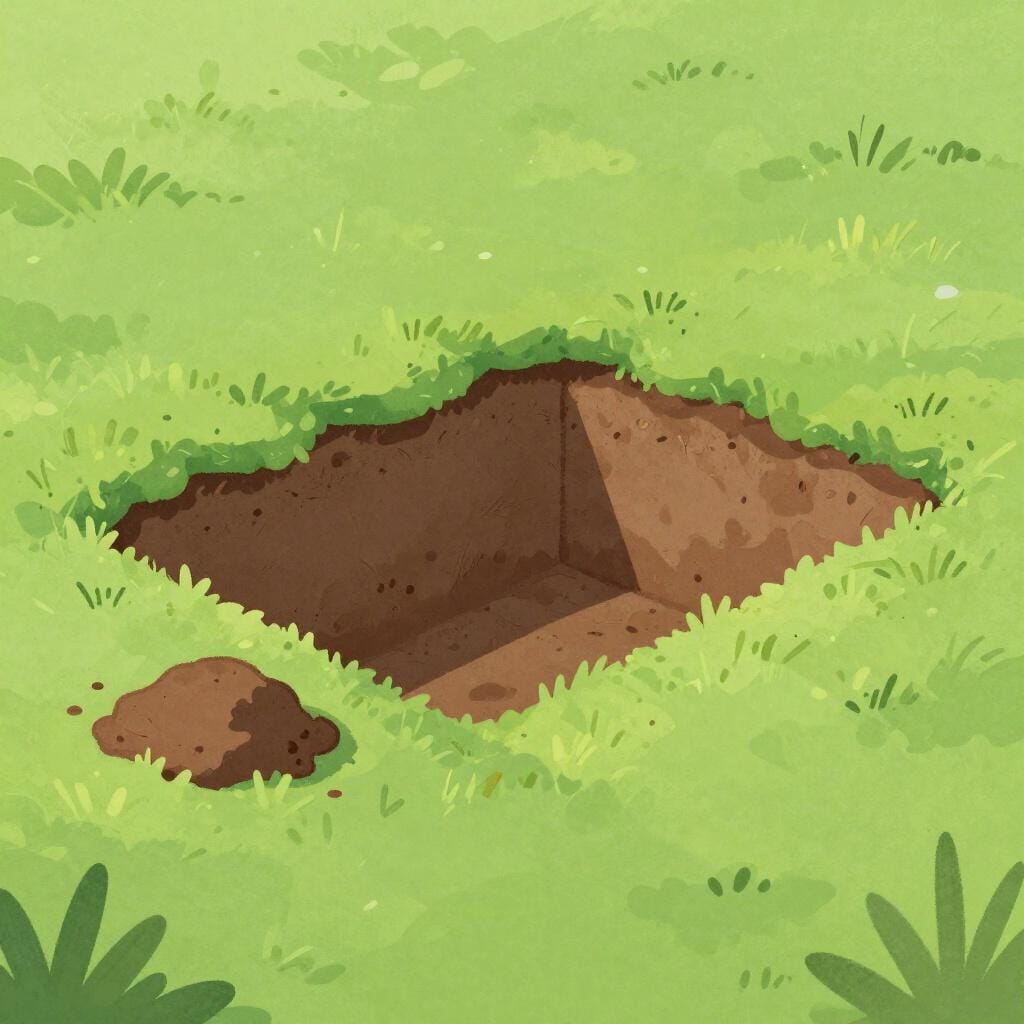
Los arqueólogos descubrieron una fosa antigua con restos romanos.
The archaeologists discovered an ancient pit with Roman remains.
Muchos soldados fueron enterrados en una fosa común.
Many soldiers were buried in a mass grave.
Cavaron una fosa profunda para instalar las tuberías.
They dug a deep trench to install the pipes.
Fosa vs. Hoyo
Use 'hoyo' for any generic hole in the ground (like one a dog digs). Use 'fosa' when the hole has a specific purpose, like a grave or a technical trench.
The feminine gender
This word is always feminine ('la fosa'), even though the similar-sounding 'foso' (moat) is masculine.
Mixing up Fosa and Foso
Mistake: “El fosa del castillo.”
Correction: El foso del castillo (moat) or La fosa (pit/grave). Use 'fosa' for graves and 'foso' for castle moats or car mechanic pits.
Zanja vs. Trinchera
Related Translations
Learn Spanish with Inklingo
Interactive stories, personalized learning, and more.