alcohol
“alcohol” means “alcohol” in Spanish. It has 2 different meanings depending on context:
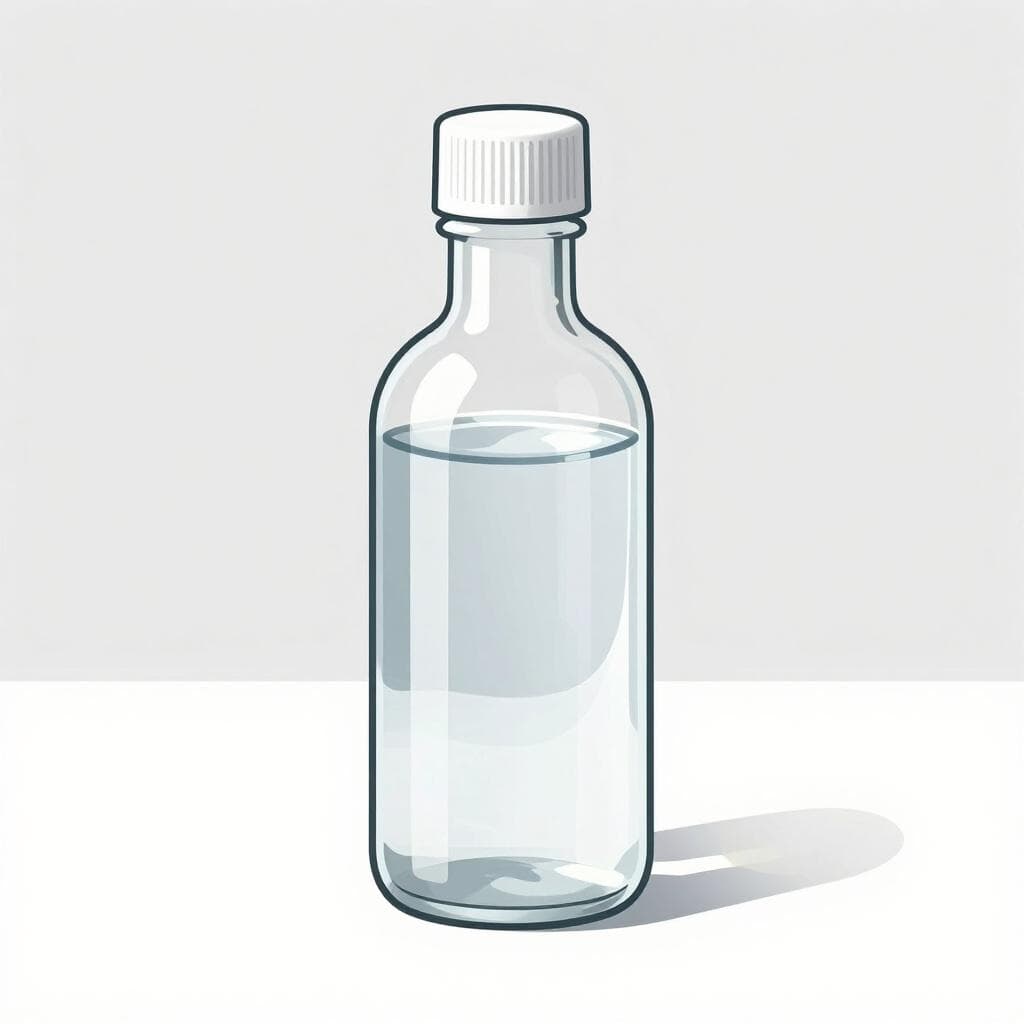
alcoholAlso: spirit

📝 In Action
Necesitas alcohol para desinfectar esa pequeña herida.
A2You need alcohol to disinfect that small wound.
Llevo siempre un poco de alcohol en gel en mi bolso.
A2I always carry a little hand sanitizer in my bag.
Word Connections
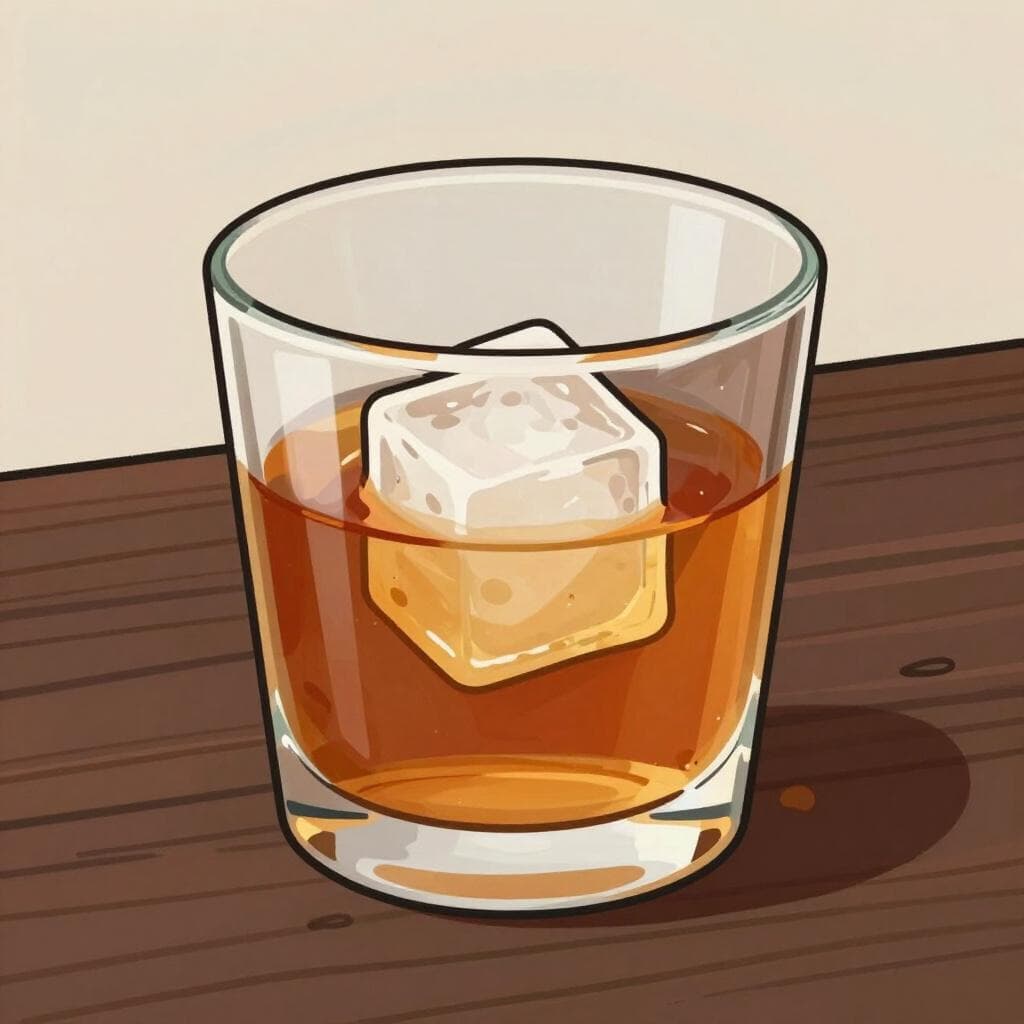
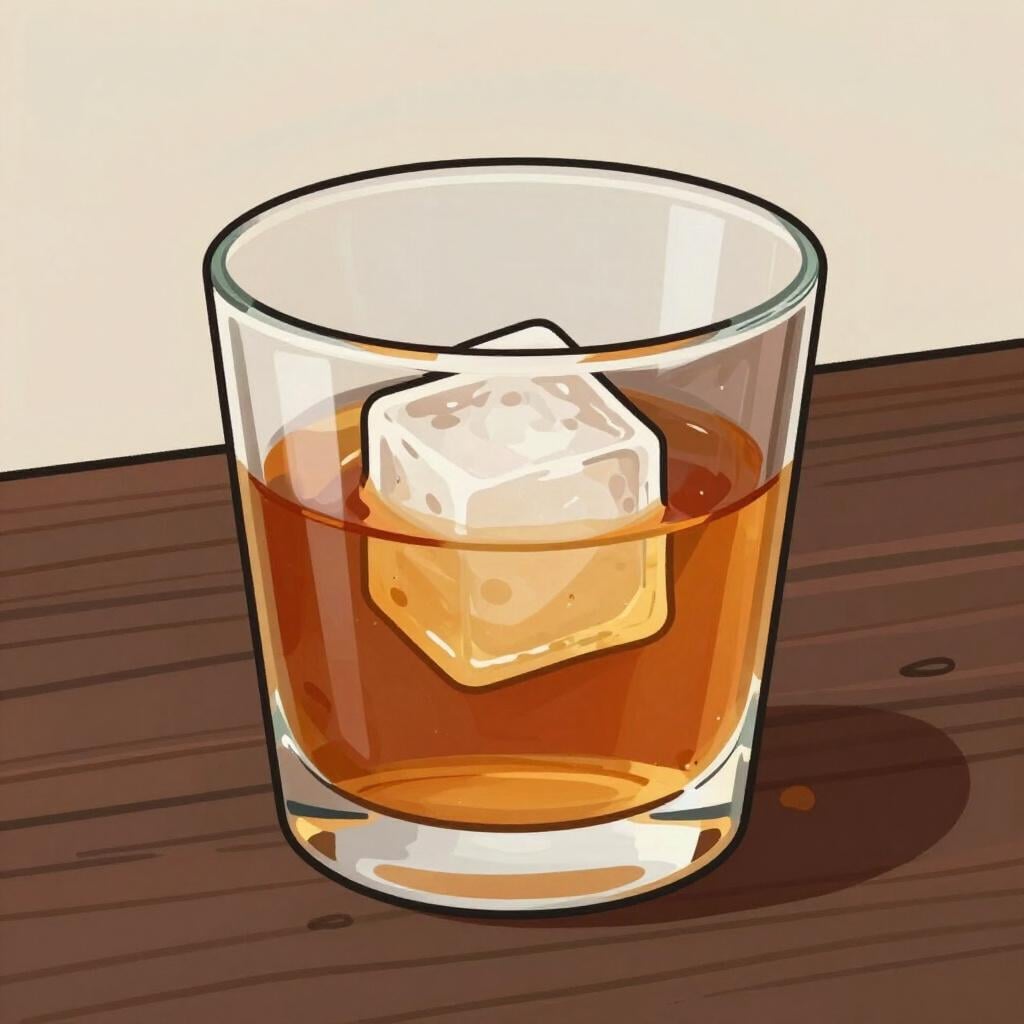
alcoholAlso: liquor
📝 In Action
No sirvieron alcohol en la fiesta, solo refrescos.
A1They didn't serve alcohol at the party, only sodas.
Debes tener 18 años para comprar alcohol legalmente.
A1You must be 18 years old to legally buy alcohol.
Word Connections
✏️ Quick Practice
Quick Quiz: alcohol
Question 1 of 1
Which sentence uses 'alcohol' in the sense of a strong drink?
📚 More Resources
👥 Word Family
📚 Etymology
This word comes from Arabic, specifically 'al-kuhl,' which originally referred to a finely powdered cosmetic (like eyeliner). Over time, it was used to describe any highly refined substance, eventually leading to the distilled 'spirit' we know today.
First recorded: Medieval Spanish (via Latin adaptations of Arabic terms)
Cognates (Related words)
💡 Master Spanish
Take your Spanish to the next level. Read 200+ illustrated and narrated Spanish stories tailored to your level with the Inklingo app!
Frequently Asked Questions
¿Es 'alcohol' masculino o femenino?
Es masculino. Siempre decimos 'el alcohol' o 'un alcohol', aunque es mucho más común usarlo sin el artículo: 'No tomo alcohol'.
How do I say 'alcoholic' (the person) in Spanish?
You use the related word 'alcohólico' (masculine) or 'alcohólica' (feminine). For example, 'Es un alcohólico' (He is an alcoholic).