How to Say "liquor" in Spanish
The most common Spanish word for “liquor” is “alcohol” — use 'alcohol' when referring to alcoholic beverages in a general sense, such as at a party or event where any type of alcoholic drink might be served.
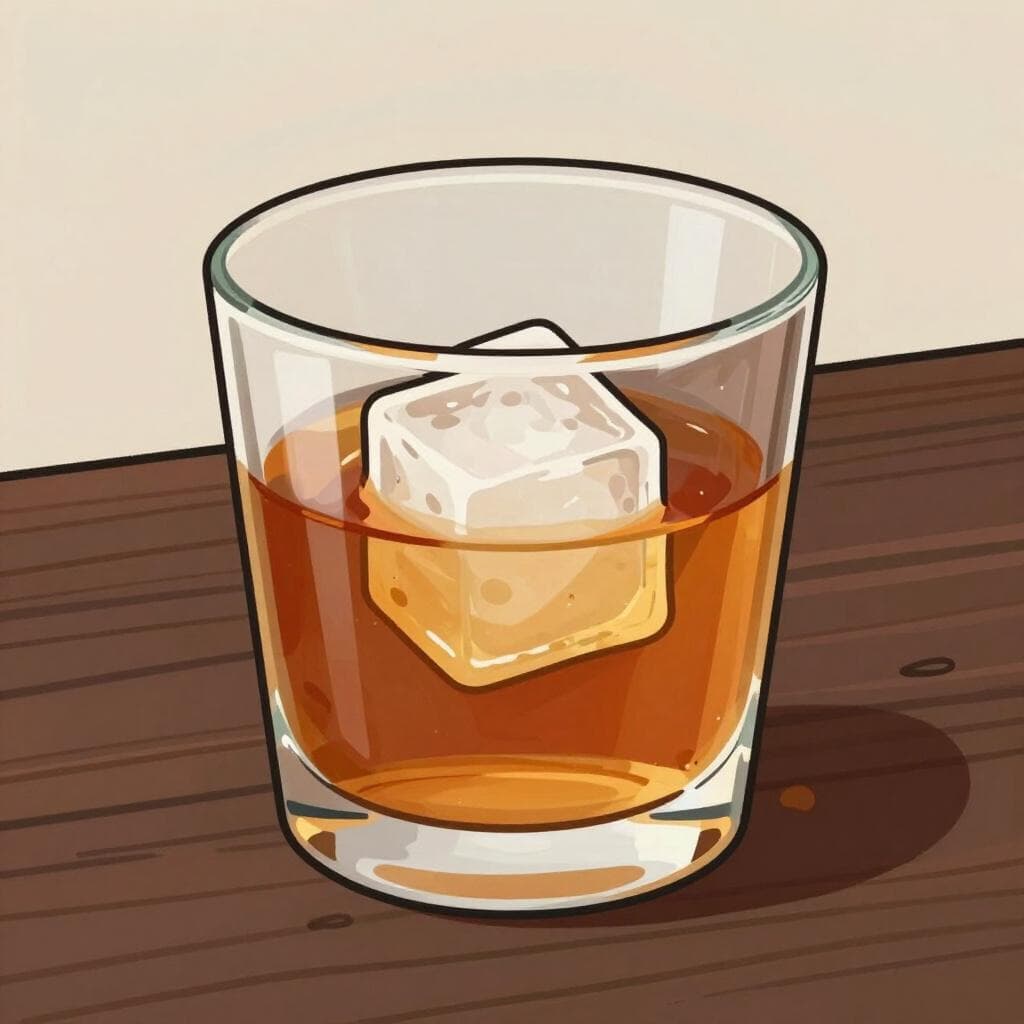
Use 'alcohol' when referring to alcoholic beverages in a general sense, such as at a party or event where any type of alcoholic drink might be served.
Learn more →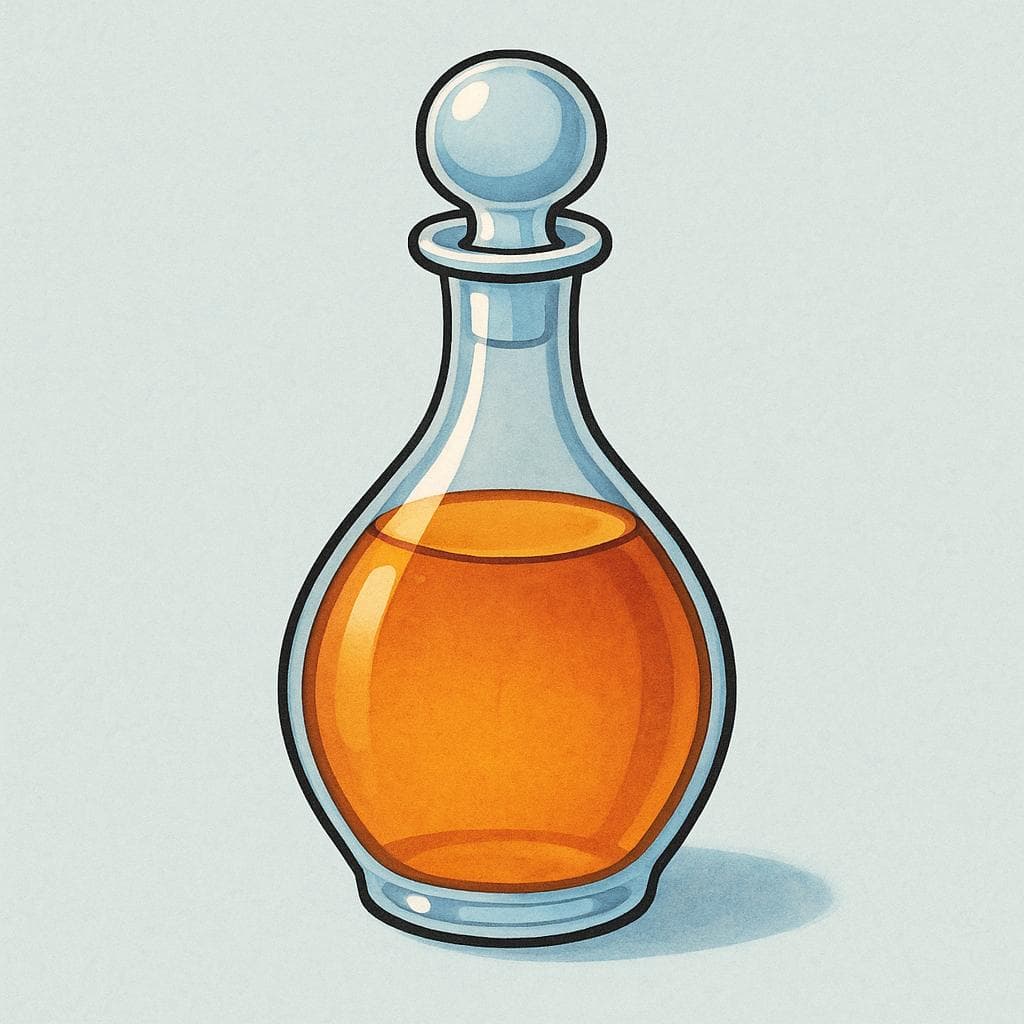
Use 'licor' when referring to a specific type of strong, distilled alcoholic drink, often sweetened and flavored, like liqueurs or cordials.
Learn more →ahl-KOHLalˈkol
Examples
No sirvieron alcohol en la fiesta, solo refrescos.
They didn't serve alcohol at the party, only sodas.
Debes tener 18 años para comprar alcohol legalmente.
You must be 18 years old to legally buy alcohol.
Using the Singular
When talking about the general category of drinks (like beer, wine, and spirits), Spanish usually uses the singular 'alcohol' rather than the plural 'alcoholes'.
Mixing Meanings
Mistake: “Usar 'alcohol' para referirse a la borrachera (Use 'alcohol' to refer to drunkenness)”
Correction: Use 'borrachera' or 'estar borracho/a'. For example: 'Tiene una borrachera' (He is drunk), not 'Tiene mucho alcohol' (He has a lot of alcohol).
lee-KORliˈkoɾ
Examples
Mi abuelo siempre toma un vaso de licor de hierbas después de la cena.
My grandfather always has a glass of herbal liqueur after dinner.
Necesitamos ir a la tienda de licores a comprar ron y tequila.
We need to go to the liquor store to buy rum and tequila.
El consumo excesivo de licor puede ser perjudicial para la salud.
Excessive consumption of liquor can be harmful to health.
Masculine Noun Rule
Remember that 'licor' is always masculine, so you must use masculine words like 'el' (the) or 'un' (a) before it: 'el licor' is correct.
Confusing 'Licor' and 'Cerveza'
Mistake: “Using 'licor' to mean beer.”
Correction: 'Licor' only refers to distilled alcohol (like whiskey or rum) or sweet liqueurs. Use 'cerveza' for beer.
General vs. Specific Alcohol
Learners often use 'licor' when they simply mean any alcoholic drink. Remember that 'alcohol' is the broad term for any alcoholic beverage, while 'licor' usually refers to a more specific category of distilled, often sweetened, spirits.
Related Translations
Learn Spanish with Inklingo
Interactive stories, personalized learning, and more.