alemán
“alemán” means “German” in Spanish. It has 3 different meanings depending on context:

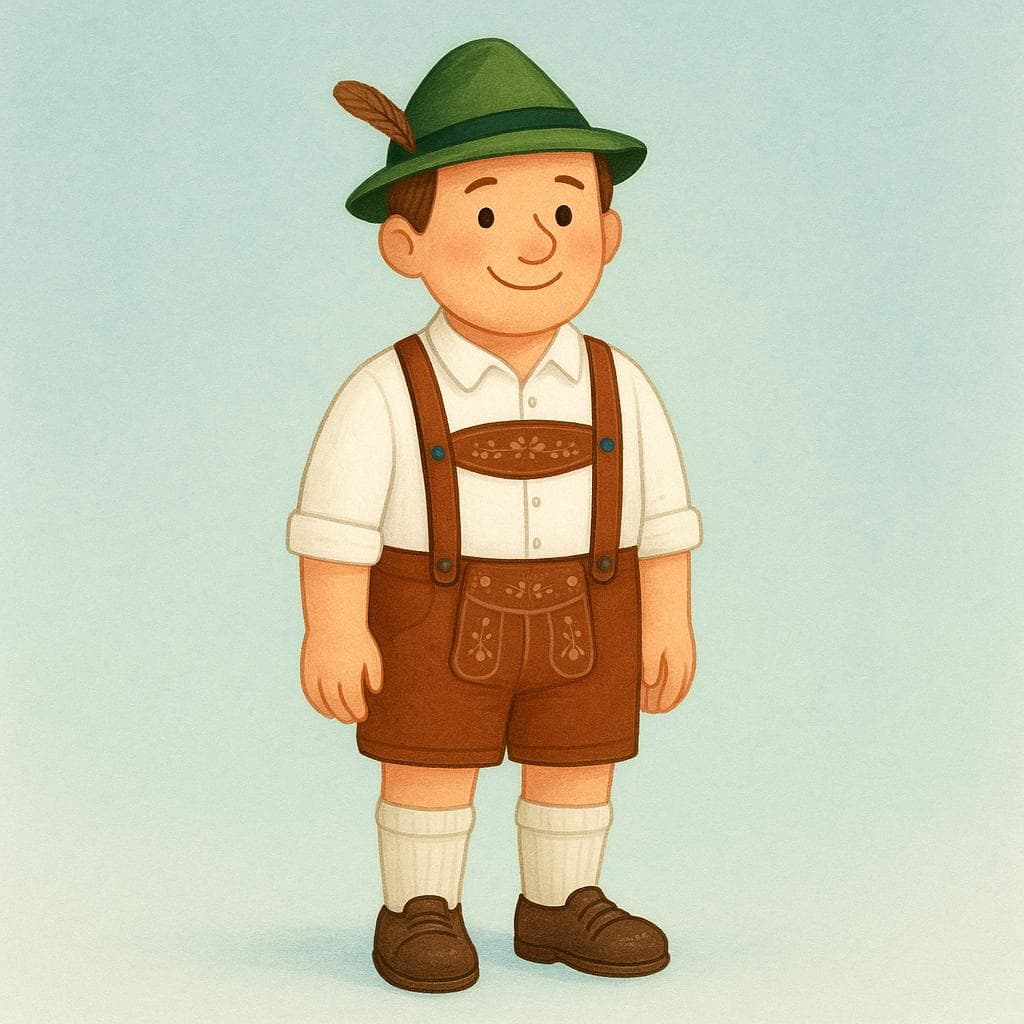

German
Also: of Germany
📝 In Action
Mi coche es alemán y es muy eficiente.
A1My car is German and it is very efficient.
La cerveza alemana es famosa en todo el mundo.
A2German beer is famous all over the world.
German
Also: German man
📝 In Action
El alemán es muy puntual.
A1The German (man) is very punctual.
Hay varios alemanes viviendo en mi ciudad.
A2There are several Germans living in my city.
German

📝 In Action
¿Estudias alemán o francés?
A1Do you study German or French?
El alemán tiene palabras muy largas.
B1German (the language) has very long words.
Translate to Spanish
Words that translate to "alemán" in Spanish:
german man→✏️ Quick Practice
Quick Quiz: alemán
Question 1 of 2
Which sentence uses 'alemán' to refer to a language?
📚 More Resources
👥 Word Family▼
🎵 Rhymes▼
📚 Etymology▼
The word comes from the Latin term *Alemanni*, which was the name given to a confederation of Germanic tribes who lived near the Roman Empire's borders. It eventually became the standard way to refer to the people and the region.
First recorded: Medieval Latin period
Cognates (Related words)
💡 Master Spanish
Take your Spanish to the next level. Read 200+ illustrated and narrated Spanish stories tailored to your level with the Inklingo app!
Frequently Asked Questions
Do I need to capitalize 'alemán'?
No. In Spanish, words for nationalities, languages, and days of the week are generally written in lowercase, unless they start a sentence.
What is the plural form of 'alemán'?
The masculine plural is 'alemanes' (ending in -es, since the singular ends in a consonant). The feminine plural is 'alemanas'.