Inklingo

asegurarse

/ah-seh-goo-RAHR-seh/

to make sure

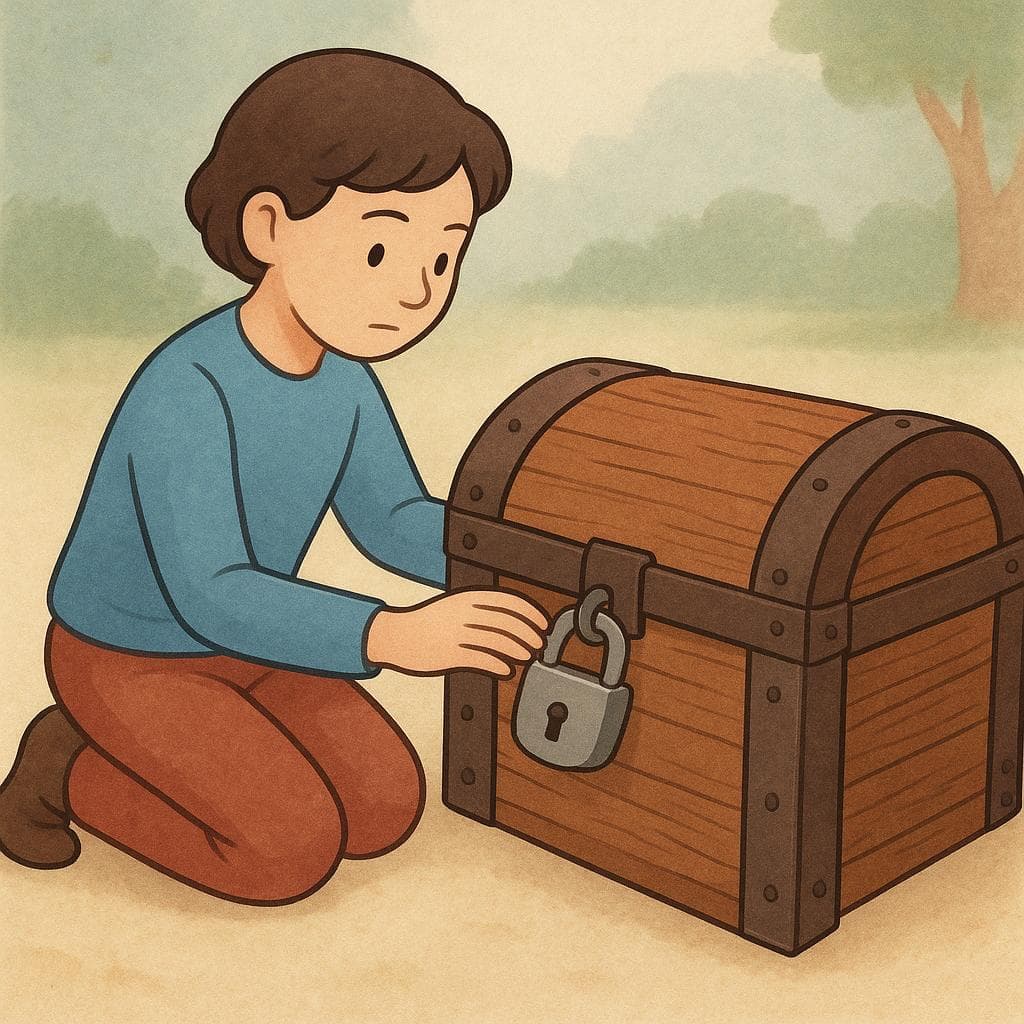
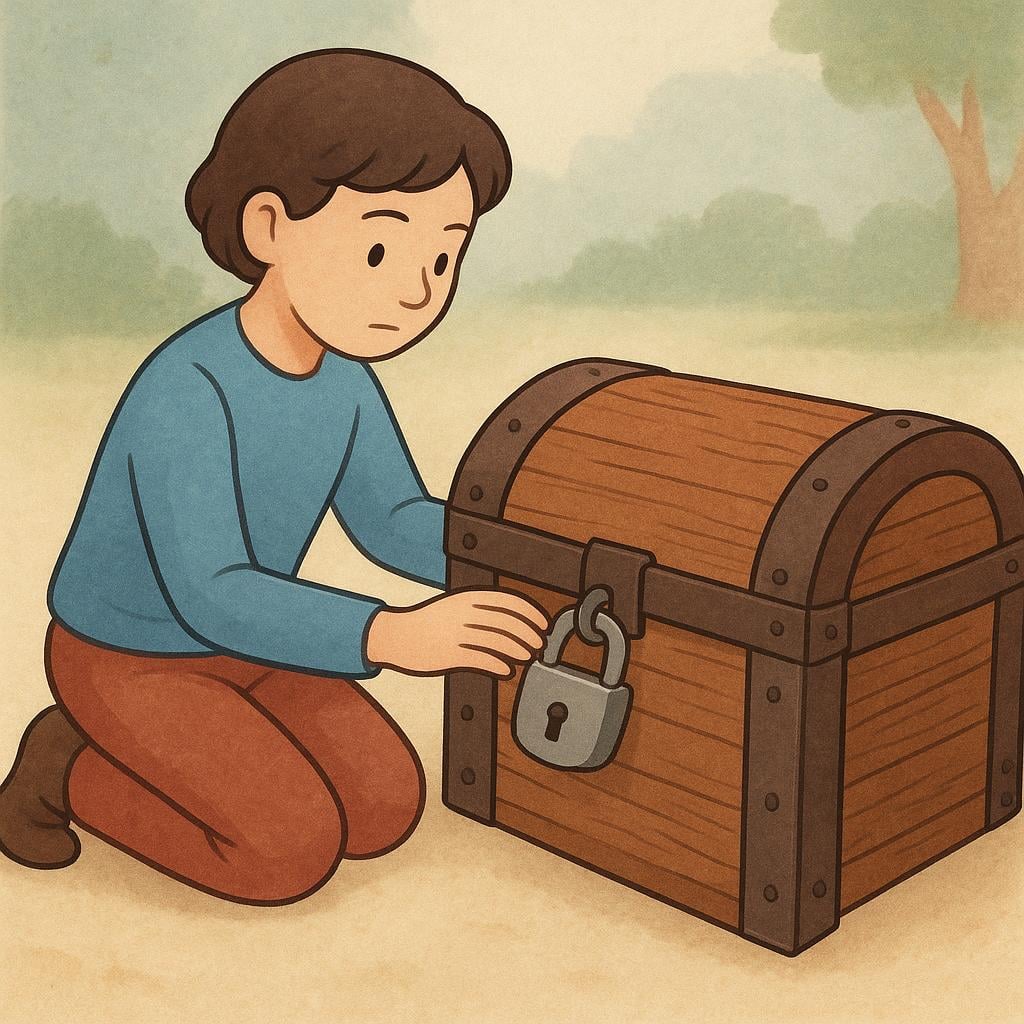
A cartoon character firmly pressing down on a large, securely fastened padlock on a sturdy wooden storage chest, indicating they are verifying its security.

Asegurarse can mean "to make sure" or "to verify an action," like checking that a chest is securely locked.

asegurarse(verb)

A2regular ar

to make sure

?

verifying an action

,

to ensure

?

guaranteeing an outcome

Also:

to check

?

confirming details

,

to verify

?

confirming information

📝 In Action

Asegúrate de que la puerta esté cerrada antes de salir.

A2

Make sure the door is closed before leaving.

Me aseguré de tener todo lo necesario para el viaje.

B1

I made sure I had everything necessary for the trip.

Ella siempre se asegura de que sus invitados estén cómodos.

B1

She always ensures her guests are comfortable.

Word Connections

Synonyms

Common Collocations

  • asegurarse de queto make sure that
  • asegurarse el éxitoto guarantee success

💡 Grammar Points

The Reflexive Pronoun ('se')

Since this is 'asegurarse,' you must use the little pronoun (me, te, se, nos, os, se) that matches the person doing the action. The action of making sure is directed back at the person doing the checking.

Using 'de que'

When you use 'asegurarse' to confirm a fact, it is usually followed by 'de que' (or sometimes just 'que'), like: 'Me aseguré de que todo estuviera bien.' (I made sure that everything was fine.)

❌ Common Pitfalls

Forgetting the Reflexive Part

Mistake: "Aseguro la puerta."

Correction: Me aseguro de la puerta. (Unless you mean 'I lock/fasten the door' which is the non-reflexive verb 'asegurar'.) When you mean 'make sure,' you must use the 'se' form.

⭐ Usage Tips

Asking for Confirmation

A very common way to ask 'Are you sure?' is the reflexive form: '¿Estás seguro/a?' (Are you sure?) or '¿Te has asegurado?' (Have you checked/made sure?)

A smiling person standing inside a large, clear protective bubble, shielding them from cartoon rain falling outside, symbolizing insurance protection.

When asegurarse is used reflexively, it means "to insure oneself," obtaining protection against risk.

asegurarse(verb)

B2regular ar

to insure oneself

?

to obtain insurance protection

Also:

to get coverage

?

financial/medical context

📝 In Action

Nos aseguramos contra incendios y robos en la casa.

B2

We insured ourselves against fire and theft in the house.

Es obligatorio asegurarse antes de conducir en este país.

C1

It is mandatory to get insurance before driving in this country.

Word Connections

Synonyms

  • protegerse (to protect oneself)
  • cubrirse (to get coverage)

Common Collocations

  • asegurarse la saludto get health insurance
  • asegurarse la vidato get life insurance

💡 Grammar Points

Preposition 'Contra'

When talking about insurance, you often use the preposition 'contra' (against) to specify what you are protected from: 'Me aseguro contra accidentes' (I insure myself against accidents).

⭐ Usage Tips

Related Noun

The noun form is 'el seguro' (the insurance policy or the security lock). If you are talking about the company, use 'la aseguradora' (the insurer).

🔄 Conjugations

indicative

present

él/ella/ustedse asegura
yome aseguro
te aseguras
ellos/ellas/ustedesse aseguran
nosotrosnos aseguramos
vosotrosos aseguráis

imperfect

él/ella/ustedse aseguraba
yome aseguraba
te asegurabas
ellos/ellas/ustedesse aseguraban
nosotrosnos asegurábamos
vosotrosos asegurabais

preterite

él/ella/ustedse aseguró
yome aseguré
te aseguraste
ellos/ellas/ustedesse aseguraron
nosotrosnos aseguramos
vosotrosos asegurasteis

subjunctive

present

él/ella/ustedse asegure
yome asegure
te asegures
ellos/ellas/ustedesse aseguren
nosotrosnos aseguremos
vosotrosos aseguréis

imperfect

él/ella/ustedse asegurara
yome asegurara
te aseguraras
ellos/ellas/ustedesse aseguraran
nosotrosnos aseguráramos
vosotrosos asegurarais

✏️ Quick Practice

💡 Quick Quiz: asegurarse

Question 1 of 2

Which sentence uses 'asegurarse' in the sense of 'to get insurance'?

📚 More Resources

Frequently Asked Questions

What is the difference between 'asegurar' and 'asegurarse'?

'Asegurar' (non-reflexive) means 'to secure or lock something' (Aseguré la puerta = I locked the door) or 'to insure something else' (Aseguré mi coche = I insured my car). 'Asegurarse' (reflexive) means 'to make sure/check' (Me aseguré de que viniera = I made sure he came) or 'to insure oneself' (Me aseguré la vida = I insured my life).

Is 'asegurarse' always followed by 'de'?

When it means 'to make sure that [a fact is true],' it is almost always followed by 'de que' in standard Spanish. However, in some regions, you might hear 'asegurarse que,' which is also accepted in informal speech.