autor
“autor” means “author” in Spanish. It has 2 different meanings depending on context:


author, writerAlso: creator
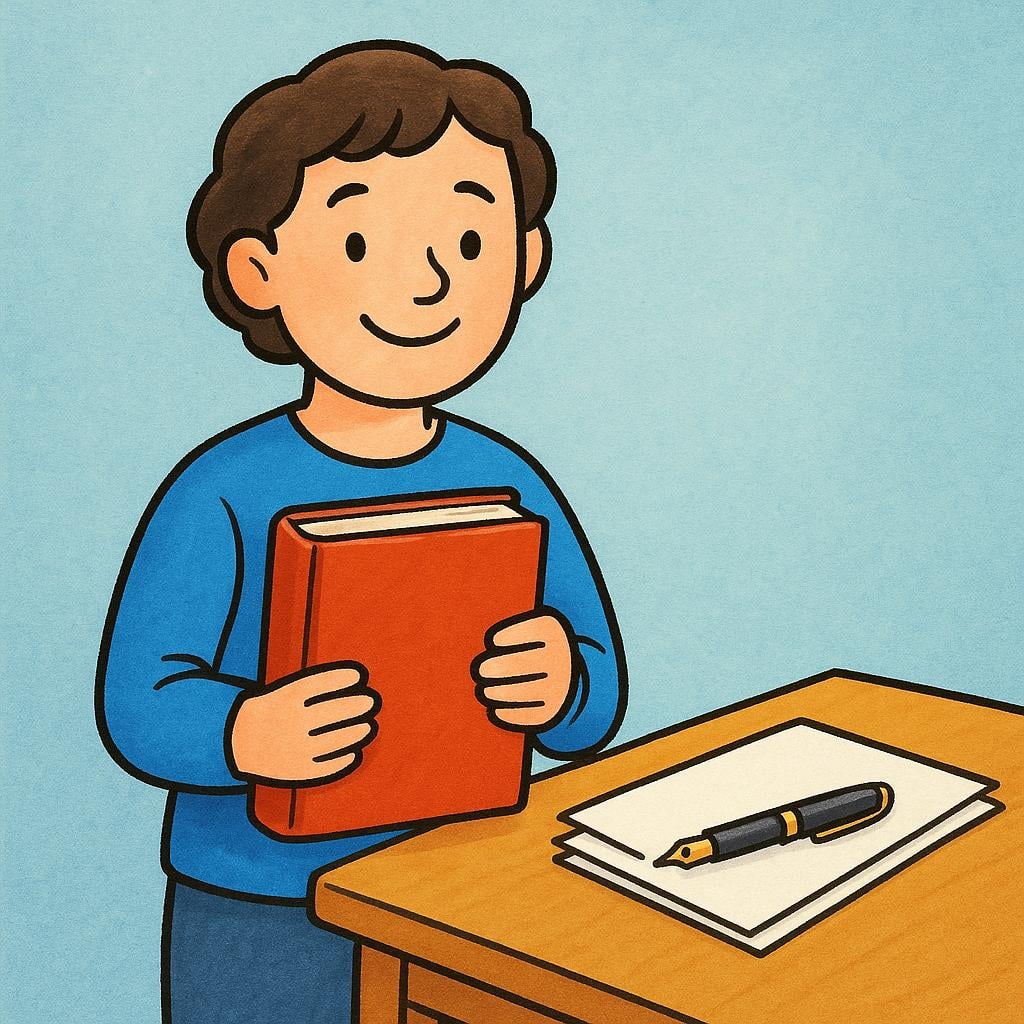
📝 In Action
Gabriel García Márquez es el autor de 'Cien años de soledad'.
A1Gabriel García Márquez is the author of 'One Hundred Years of Solitude'.
Busqué el nombre del autor de la canción, pero no lo encontré.
A2I looked for the name of the song's creator, but I couldn't find it.
La autora firmará copias de su nueva novela mañana.
B1The author (female) will sign copies of her new novel tomorrow.
Word Connections
perpetrator, instigatorAlso: culprit
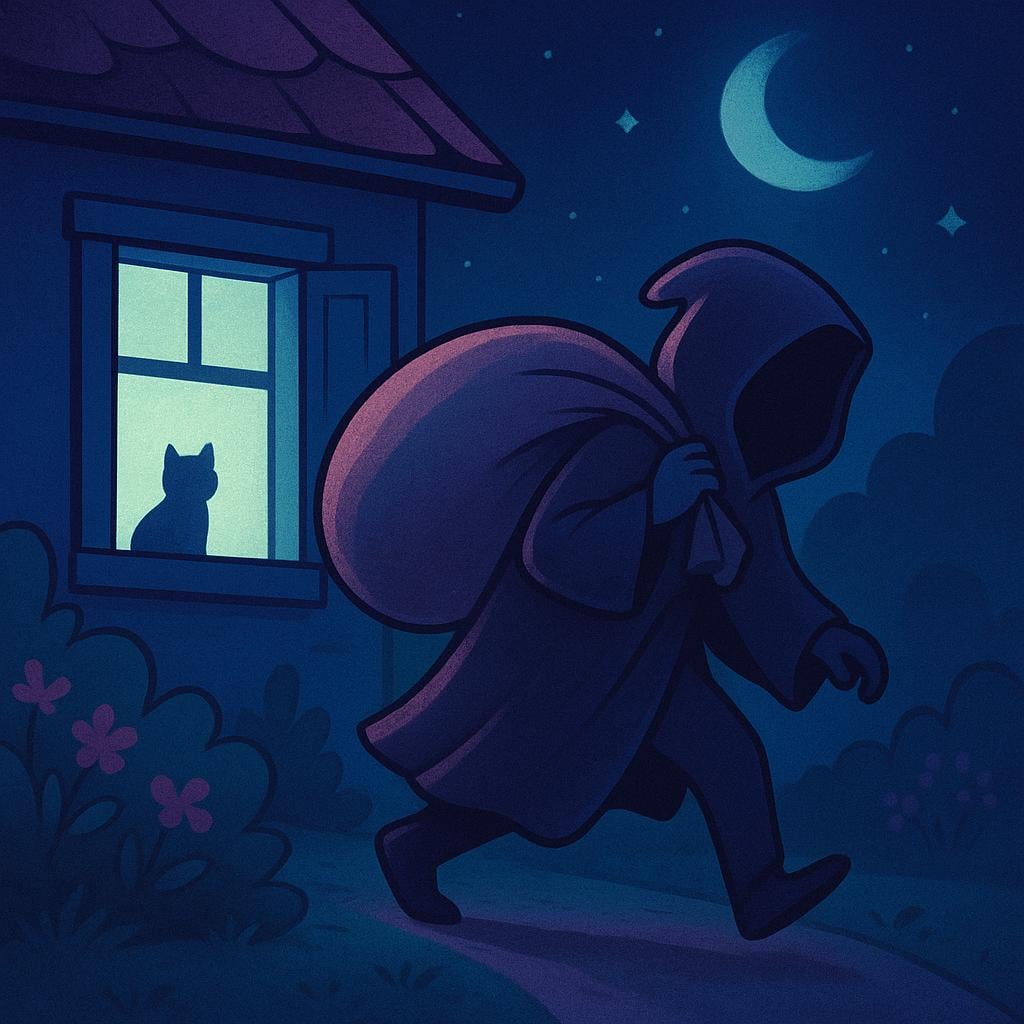
📝 In Action
La policía busca al autor del robo.
B2The police are looking for the perpetrator of the robbery.
El autor del incendio fue capturado anoche.
C1The instigator of the fire was captured last night.
Word Connections
Translate to Spanish
Words that translate to "autor" in Spanish:
✏️ Quick Practice
Quick Quiz: autor
Question 1 of 1
Which Spanish word is used to specifically refer to a woman who wrote a novel?
📚 More Resources
👥 Word Family
📚 Etymology
Comes directly from the Latin word *auctor*, which meant 'promoter,' 'producer,' or 'creator.' The root idea is someone who brings something into being, whether it's a book or an action.
First recorded: 13th century
Cognates (Related words)
💡 Master Spanish
Take your Spanish to the next level. Read 200+ illustrated and narrated Spanish stories tailored to your level with the Inklingo app!
Frequently Asked Questions
Should I use 'autor' or 'autora' for a woman?
You should use 'autora.' Although 'autor' is grammatically masculine, Spanish has fully adopted 'autora' as the standard feminine form, matching the article 'la' (la autora).
Does 'autor' only mean 'author' of a book?
No. While its main use is for writers, it can also mean the creator of a piece of music, a painting, a law, or even the person responsible for a crime (perpetrator).