azteca
“azteca” means “Aztec” in Spanish. It has 2 different meanings depending on context:
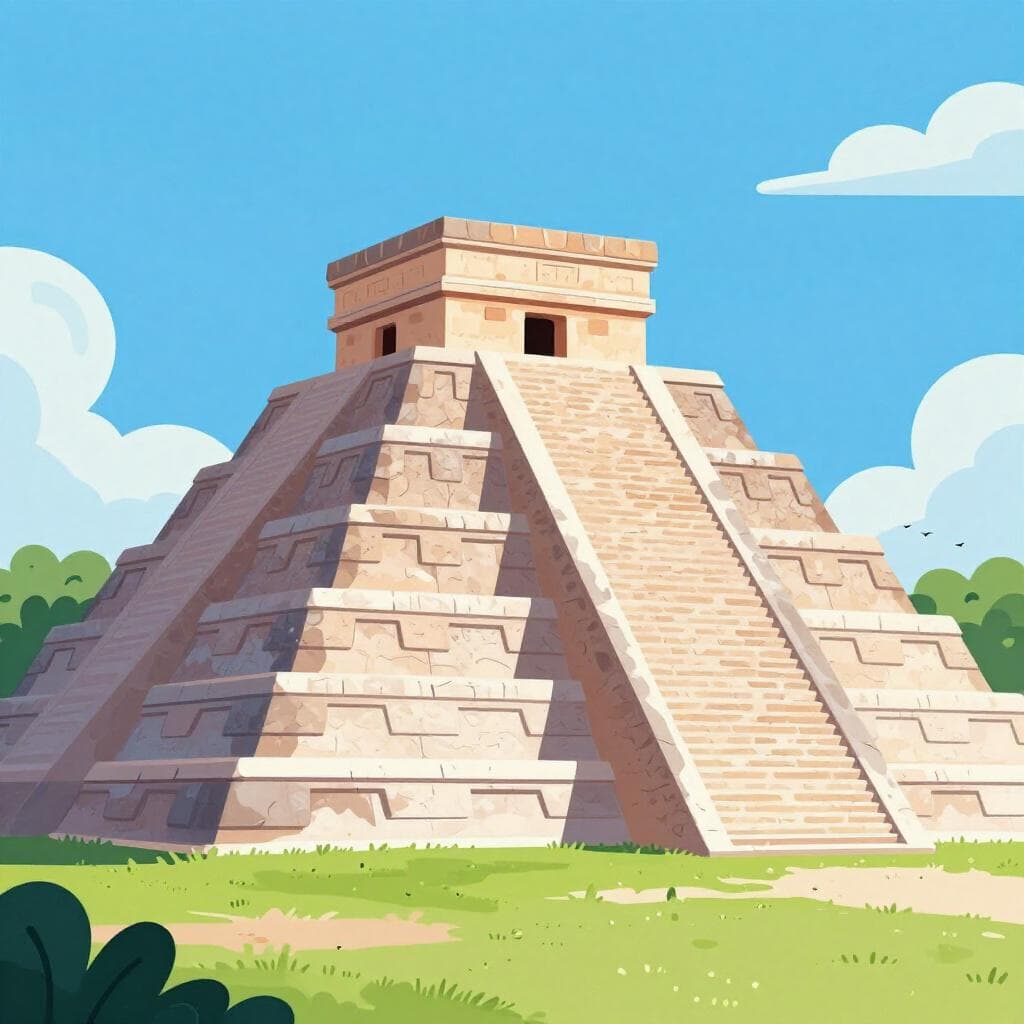
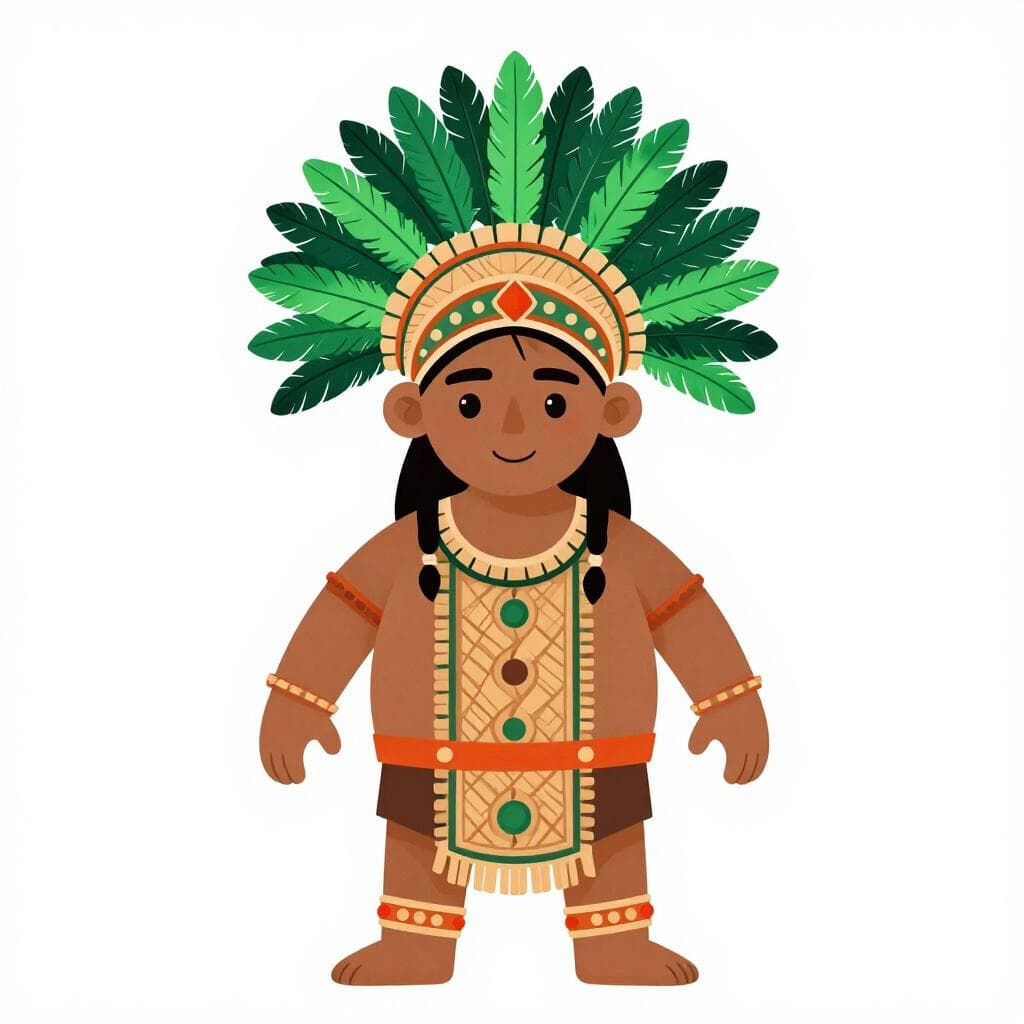
AztecAlso: Mexica
📝 In Action
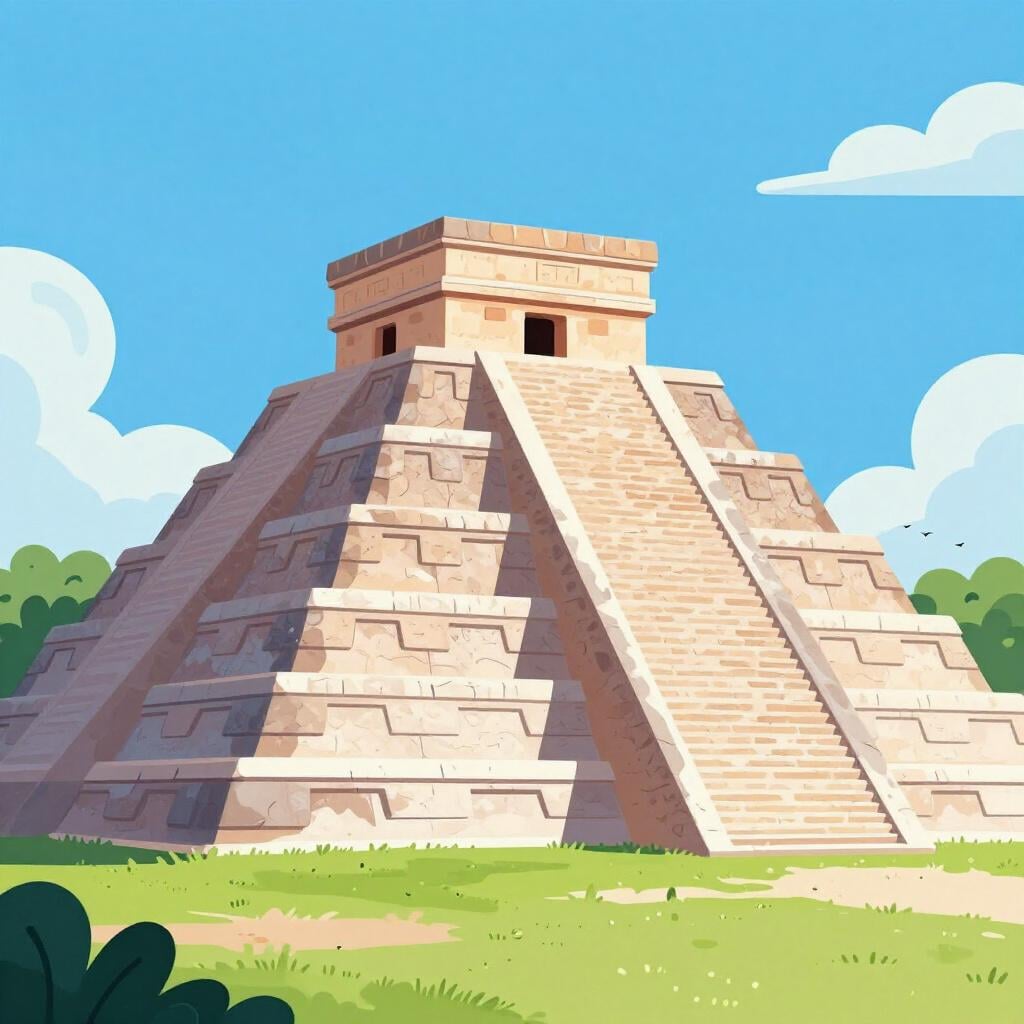
La arquitectura azteca es muy impresionante.
A2Aztec architecture is very impressive.
El calendario azteca es una obra maestra del arte.
B1The Aztec calendar is a masterpiece of art.
Estudiamos la religión azteca en la clase de historia.
A2We studied the Aztec religion in history class.
Word Connections
Aztec
📝 In Action
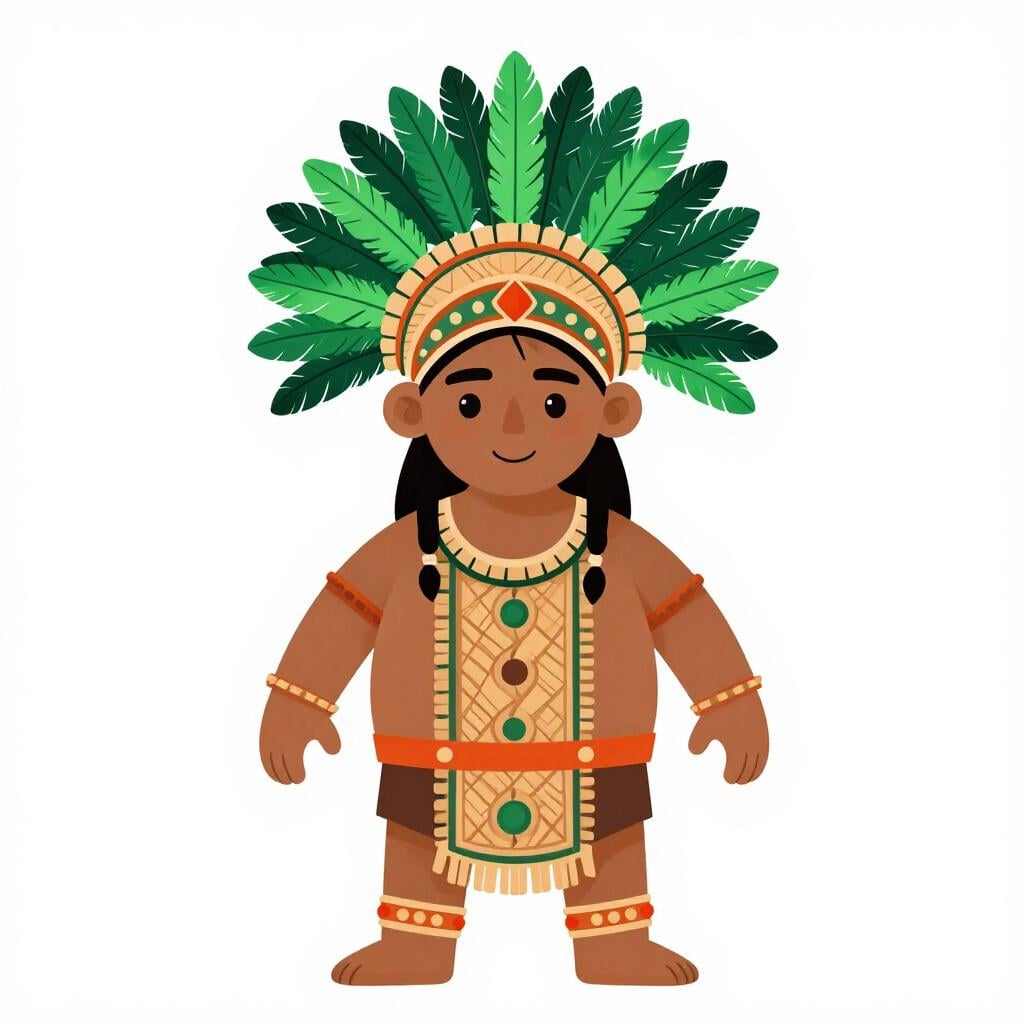
Los aztecas fundaron Tenochtitlán en 1325.
A2The Aztecs founded Tenochtitlán in 1325.
Un joven azteca caminaba por el mercado.
B1A young Aztec man was walking through the market.
Ella es una experta en la vida de los aztecas.
B1She is an expert on the life of the Aztecs.
Word Connections
✏️ Quick Practice
Quick Quiz: azteca
Question 1 of 3
Which of these is the correct way to say 'the Aztec emperor'?
📚 More Resources
👥 Word Family
🎵 Rhymes
📚 Etymology
From the Nahuatl word 'aztecatl', which means 'a person from Aztlán'. Aztlán was the mythical ancestral home of the Aztec people.
First recorded: 16th century (Spanish chronicles)
Cognates (Related words)
💡 Master Spanish
Take your Spanish to the next level. Read 200+ illustrated and narrated Spanish stories tailored to your level with the Inklingo app!
Frequently Asked Questions
Is there a word 'azteco'?
No, 'azteco' does not exist in standard Spanish. The word is 'azteca' regardless of the gender of the person or object you are describing.
What is the difference between 'azteca' and 'mexica'?
'Azteca' is the broad term popularized by Europeans. 'Mexica' (pronounced meh-SHEE-kah) is the actual name the people used for themselves. In modern Spanish, 'azteca' is much more common in everyday conversation.
Do people still speak the Aztec language?
The language of the Aztecs is called Nahuatl. While the empire is gone, over 1.5 million people in Mexico still speak versions of Nahuatl today!