barbilla
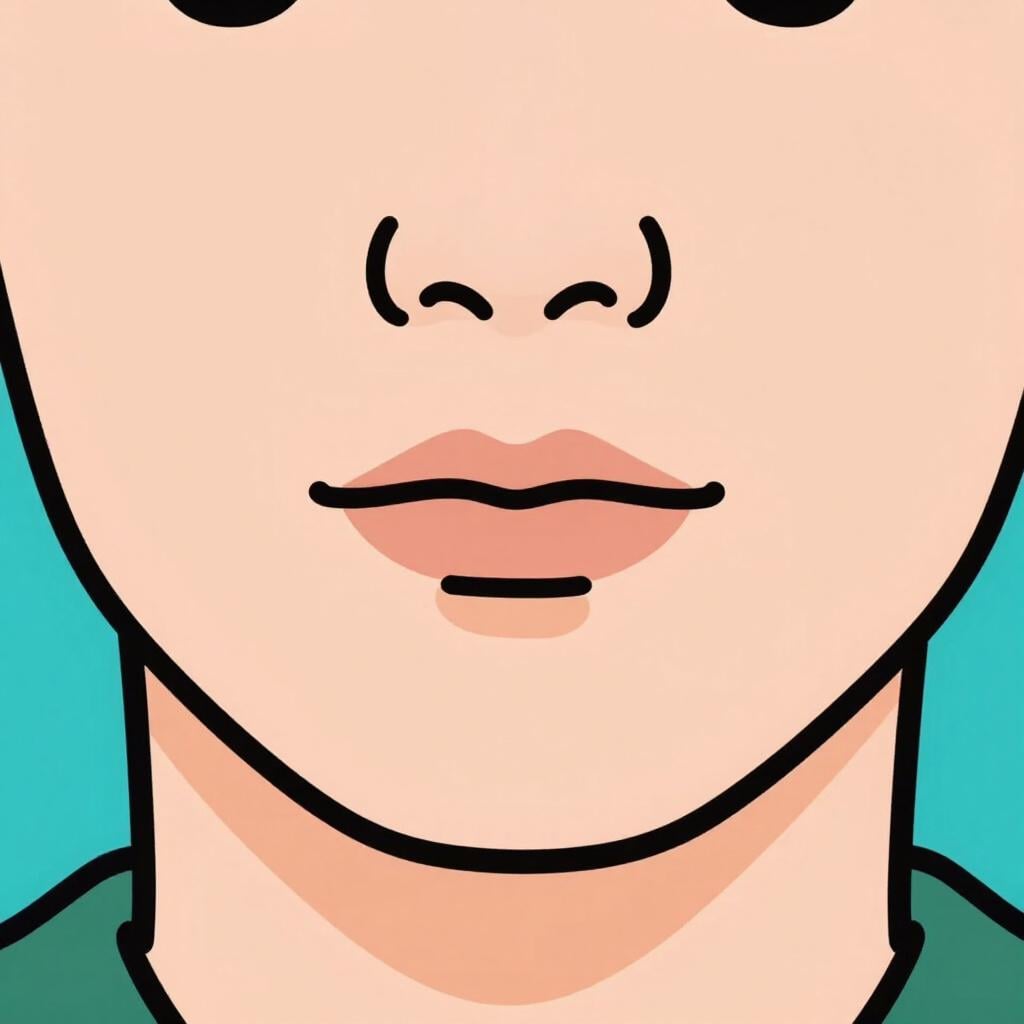
“barbilla” means “chin” in Spanish (the part of the face below the mouth).
chinAlso: jawline
📝 In Action
Me pica la barbilla.
A1My chin itches.
Él tiene un hoyuelo en la barbilla.
A2He has a dimple on his chin.
Ella apoyó la barbilla en su mano mientras escuchaba.
B1She rested her chin on her hand while she listened.
Word Connections
✏️ Quick Practice
Quick Quiz: barbilla
Question 1 of 3
How do you say 'He rested his chin' in Spanish?
📚 More Resources
👥 Word Family
📚 Etymology
From the Spanish word 'barba' (beard), combined with the suffix '-illa' which usually makes things smaller or indicates a specific related part.
First recorded: 13th century
Cognates (Related words)
💡 Master Spanish
Take your Spanish to the next level. Read 200+ illustrated and narrated Spanish stories tailored to your level with the Inklingo app!
Frequently Asked Questions
Is 'barbilla' masculine or feminine?
It is feminine, so you should always use 'la' or 'una' with it.
What's the difference between 'barba' and 'barbilla'?
'Barba' is the hair that grows on the face (beard), while 'barbilla' is the actual bone and skin area (chin).
Can I use 'barbilla' to describe an animal?
Yes, it is often used to describe the lower part of the head or beak area for animals and birds too.