bebé
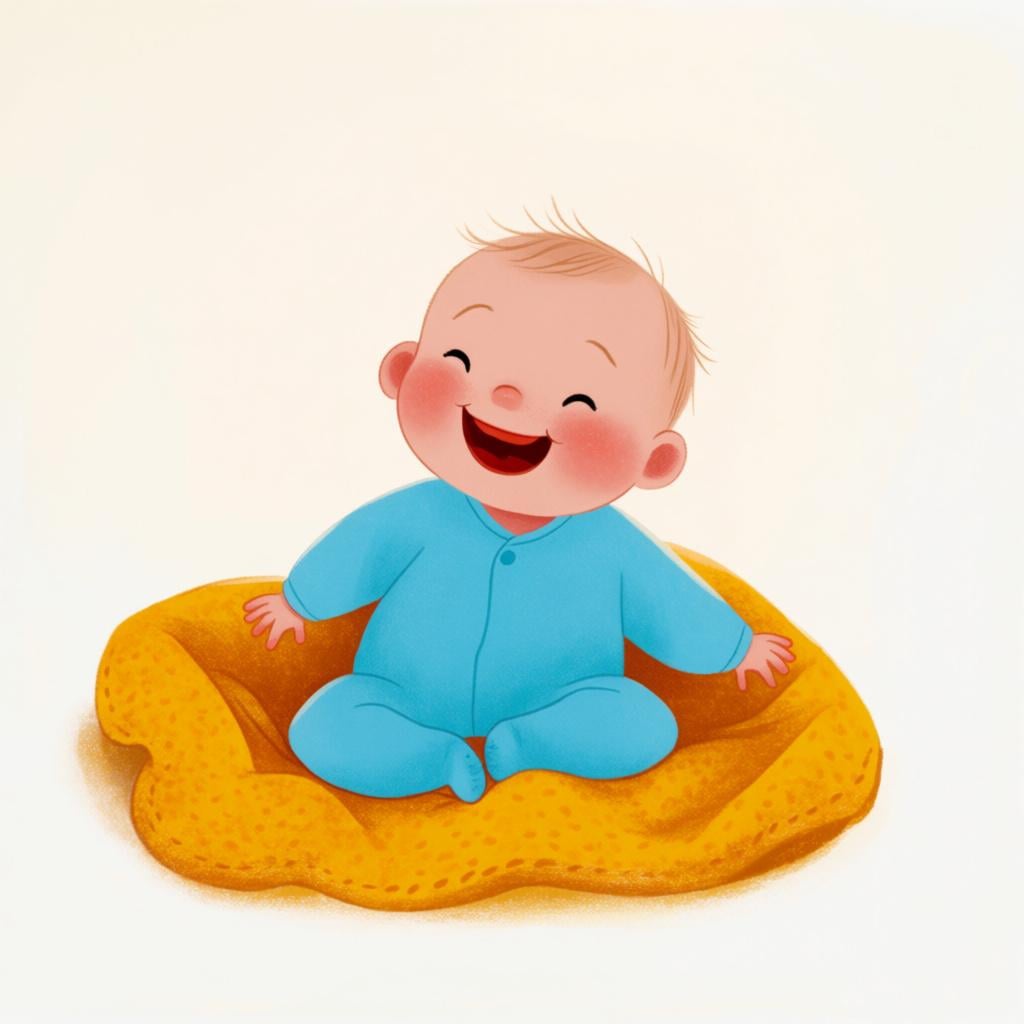
“bebé” means “baby” in Spanish (a very young child).
babyAlso: infant
📝 In Action
El bebé está durmiendo en su cuna.
A1The baby is sleeping in his crib.
Mi hermana va a tener un bebé en mayo.
A1My sister is going to have a baby in May.
Compramos ropa nueva para el bebé.
A2We bought new clothes for the baby.
¡Qué bebé más adorable!
A2What an adorable baby!
Word Connections
✏️ Quick Practice
Quick Quiz: bebé
Question 1 of 1
Your friend shows you a picture of his new baby daughter. What is the most correct and natural way to compliment her?
📚 More Resources
📚 Etymology
This word is a modern addition to Spanish, borrowed directly from the French word 'bébé' in the 19th century. The French word is thought to be 'onomatopoeic'—meaning it imitates the 'beh-beh' sounds a baby makes.
First recorded: c. 1840s
Cognates (Related words)
💡 Master Spanish
Take your Spanish to the next level. Read 200+ illustrated and narrated Spanish stories tailored to your level with the Inklingo app!
Frequently Asked Questions
Is it ever okay to say 'la bebé' for a baby girl?
You will definitely hear 'la bebé' in some regions, and its use is growing. It's not considered a major error in casual speech. However, the grammatically standard and universally accepted form is 'el bebé' for both boys and girls. If you're ever in doubt, using 'el bebé' is always the correct choice.
What's the difference between 'bebé' and the word 'bebe' without an accent?
The accent mark changes everything! 'Bebé' (accent on the last 'e') is the noun for 'baby'. 'Bebe' (no accent, stress on the first 'e') is a form of the verb 'beber' (to drink), meaning 'he/she/you (formal) drink'. For example, 'El bebé bebe leche' means 'The baby drinks milk'.