boliviano
“boliviano” means “Bolivian” in Spanish. It has 3 different meanings depending on context:
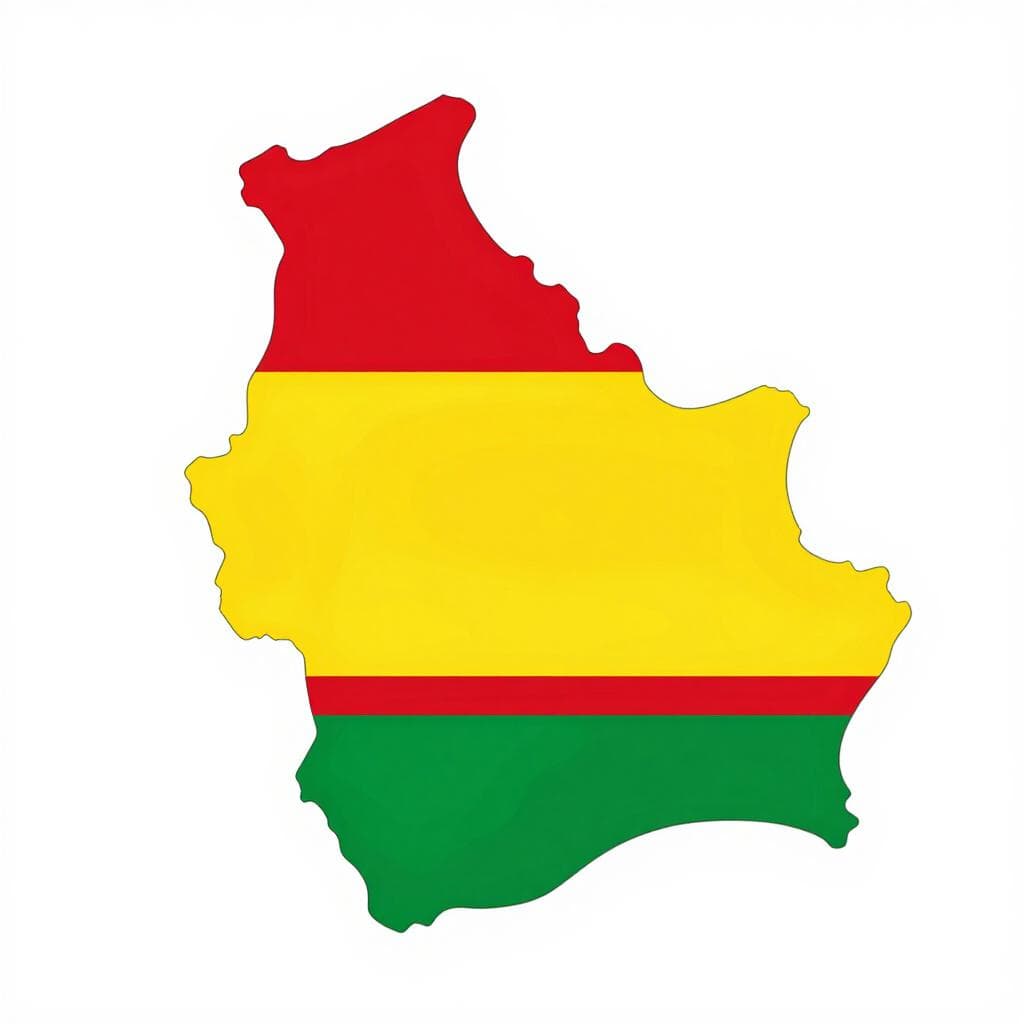
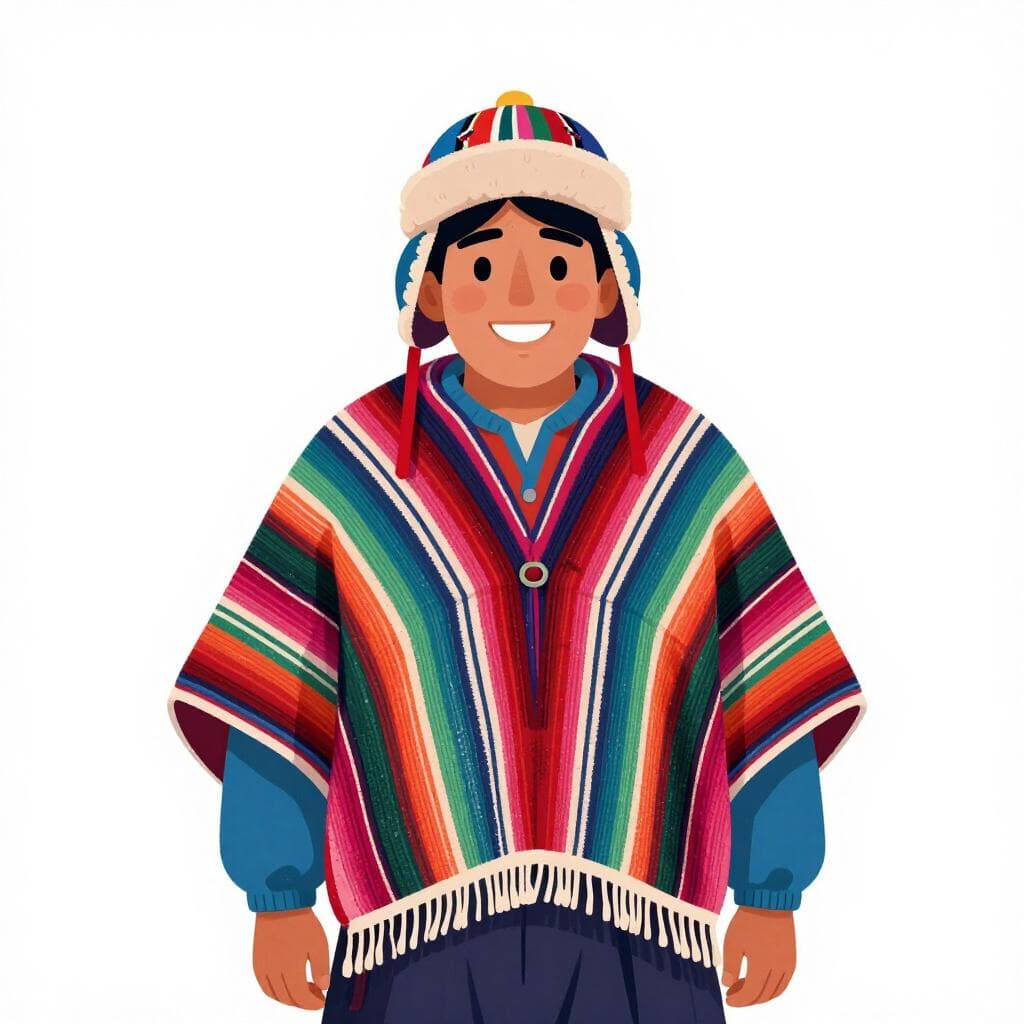

Bolivian
📝 In Action
Me gusta mucho el café boliviano.
A1I really like Bolivian coffee.
Estamos estudiando el folclore boliviano en la escuela.
A2We are studying Bolivian folklore at school.
El vicuña es un animal que vive en el altiplano boliviano.
B1The vicuña is an animal that lives in the Bolivian highlands.
Word Connections
Bolivian
📝 In Action
Mi vecino es un boliviano muy amable.
A1My neighbor is a very kind Bolivian man.
Ese boliviano ganó la competencia de ciclismo.
A2That Bolivian man won the cycling competition.
Hablé con un boliviano sobre la historia de su país.
B1I spoke with a Bolivian man about his country's history.
Word Connections
boliviano

📝 In Action
¿Cuántos bolivianos cuesta este pan?
A2How many bolivianos does this bread cost?
Necesito cambiar mis dólares a bolivianos.
B1I need to change my dollars to bolivianos.
Solo me queda un boliviano en la billetera.
B1I only have one boliviano left in my wallet.
Word Connections
✏️ Quick Practice
Quick Quiz: boliviano
Question 1 of 3
Which of the following is the correct way to write 'I am Bolivian' in Spanish?
📚 More Resources
👥 Word Family
📚 Etymology
Derived from the country name 'Bolivia,' which was named in honor of Simón Bolívar, the military leader who led the independence of several South American countries from Spanish rule.
First recorded: 19th century
Cognates (Related words)
💡 Master Spanish
Take your Spanish to the next level. Read 200+ illustrated and narrated Spanish stories tailored to your level with the Inklingo app!
Frequently Asked Questions
Is 'boliviano' capitalized?
No, in Spanish, nationalities and names of currencies are not capitalized unless they are the first word in a sentence.
What is the difference between 'boliviano' and 'bolívar'?
'Boliviano' is the currency of Bolivia, while 'bolívar' is the currency of Venezuela. Both are named after Simón Bolívar.
Can I use 'boliviano' for a woman?
No, you must change the ending to 'a' and use 'boliviana' when referring to a woman or a feminine object.