brujería
“brujería” means “witchcraft” in Spanish (the practice of magic).
witchcraft
Also: sorcery, voodoo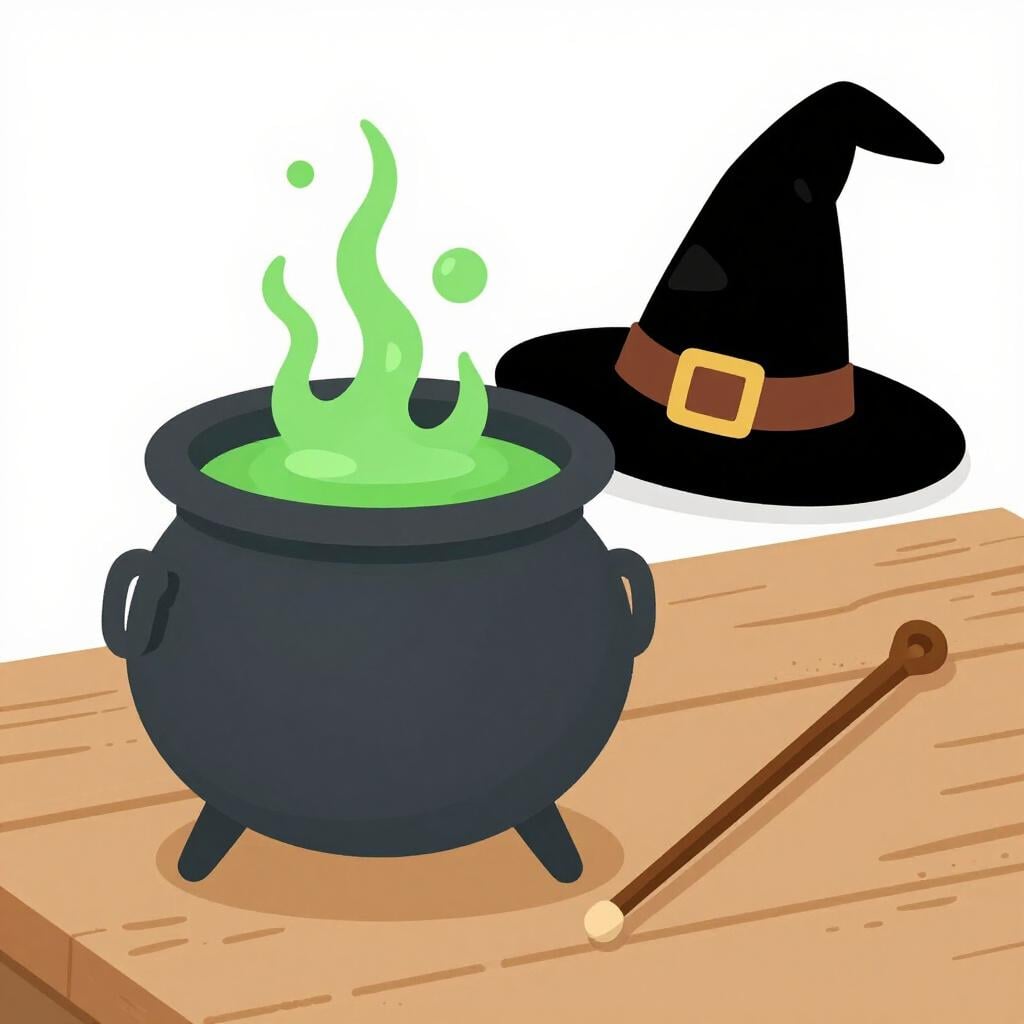
📝 In Action
En la Edad Media, mucha gente tenía miedo a la brujería.
A2In the Middle Ages, many people were afraid of witchcraft.
No creo en la brujería, pero ese truco de cartas fue impresionante.
B1I don't believe in witchcraft, but that card trick was impressive.
Dicen que el éxito de ese equipo es cosa de brujería.
B2They say that team's success is a matter of magic/witchcraft.
Translate to Spanish
✏️ Quick Practice
Quick Quiz: brujería
Question 1 of 3
Which word describes a person who practices 'brujería'?
📚 More Resources
👥 Word Family▼
🎵 Rhymes▼
📚 Etymology▼
From the word 'bruja' (witch). The exact origin of 'bruja' is mysterious, likely coming from very old languages used in the Iberian Peninsula before the Romans arrived.
First recorded: 13th century
Cognates (Related words)
💡 Master Spanish
Take your Spanish to the next level. Read 200+ illustrated and narrated Spanish stories tailored to your level with the Inklingo app!
Frequently Asked Questions
Is 'brujería' always considered a bad word?
Not necessarily! While it historically referred to 'dark' magic, today it is often used figuratively to describe something amazing or unexplainable.
What is the difference between 'brujería' and 'hechicería'?
They are very similar. 'Brujería' is the most common word for witchcraft, while 'hechicería' (sorcery) often sounds a bit more formal or refers to specific spells (hechizos).
Can I use 'brujería' to mean 'a magic trick'?
It's better to use 'magia' for tricks. 'Brujería' usually implies real supernatural power or folk beliefs.