cabaña
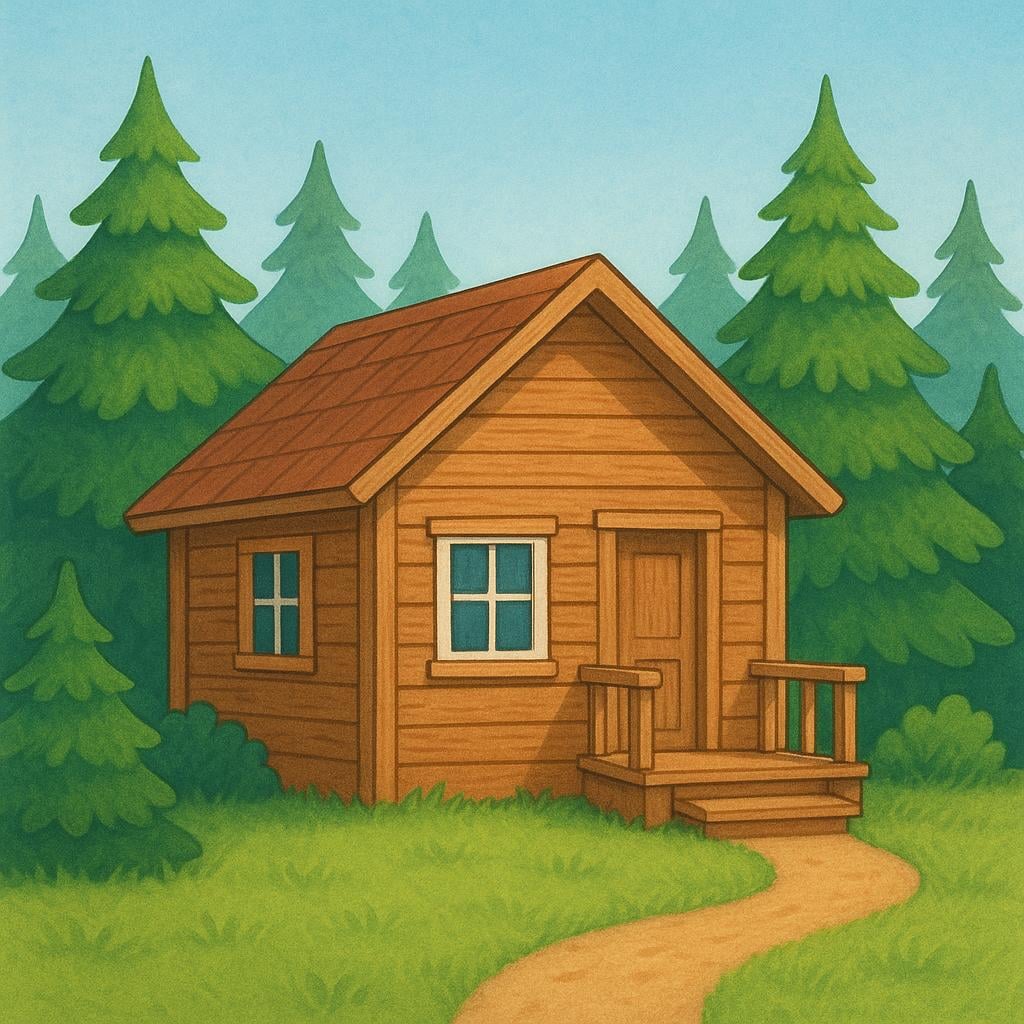
“cabaña” means “cabin” in Spanish (small wooden house, often for vacations).
cabin, hutAlso: lodge, shack
📝 In Action
Alquilamos una cabaña en las montañas para esquiar.
A1We rented a cabin in the mountains to go skiing.
La cabaña de los pastores estaba hecha de piedra y madera.
A2The shepherds' hut was made of stone and wood.
Soñamos con tener una pequeña cabaña junto al mar.
B1We dream of having a little cabin by the sea.
Word Connections
Translate to Spanish
Words that translate to "cabaña" in Spanish:
✏️ Quick Practice
Quick Quiz: cabaña
Question 1 of 2
Which sentence correctly uses 'cabaña'?
📚 More Resources
👥 Word Family
🎵 Rhymes
📚 Etymology
The word comes from the Old Spanish word 'cabaña', which traces back to the Vulgar Latin word *capanna*, meaning 'hut' or 'shed'. It has been used in Spanish since the Middle Ages.
First recorded: 13th century (approximate)
Cognates (Related words)
💡 Master Spanish
Take your Spanish to the next level. Read 200+ illustrated and narrated Spanish stories tailored to your level with the Inklingo app!
Frequently Asked Questions
Is 'cabaña' only used for vacation homes?
No, while it is very common for vacation rentals (especially in mountain areas), 'cabaña' can also refer to any small, simple, or temporary dwelling, like a shepherd's hut or a very basic shelter.
How is 'cabaña' different from 'casa'?
'Casa' is the general word for 'house'. 'Cabaña' implies a smaller, simpler, more rustic structure, often built of wood and located away from the city.