cambiarme
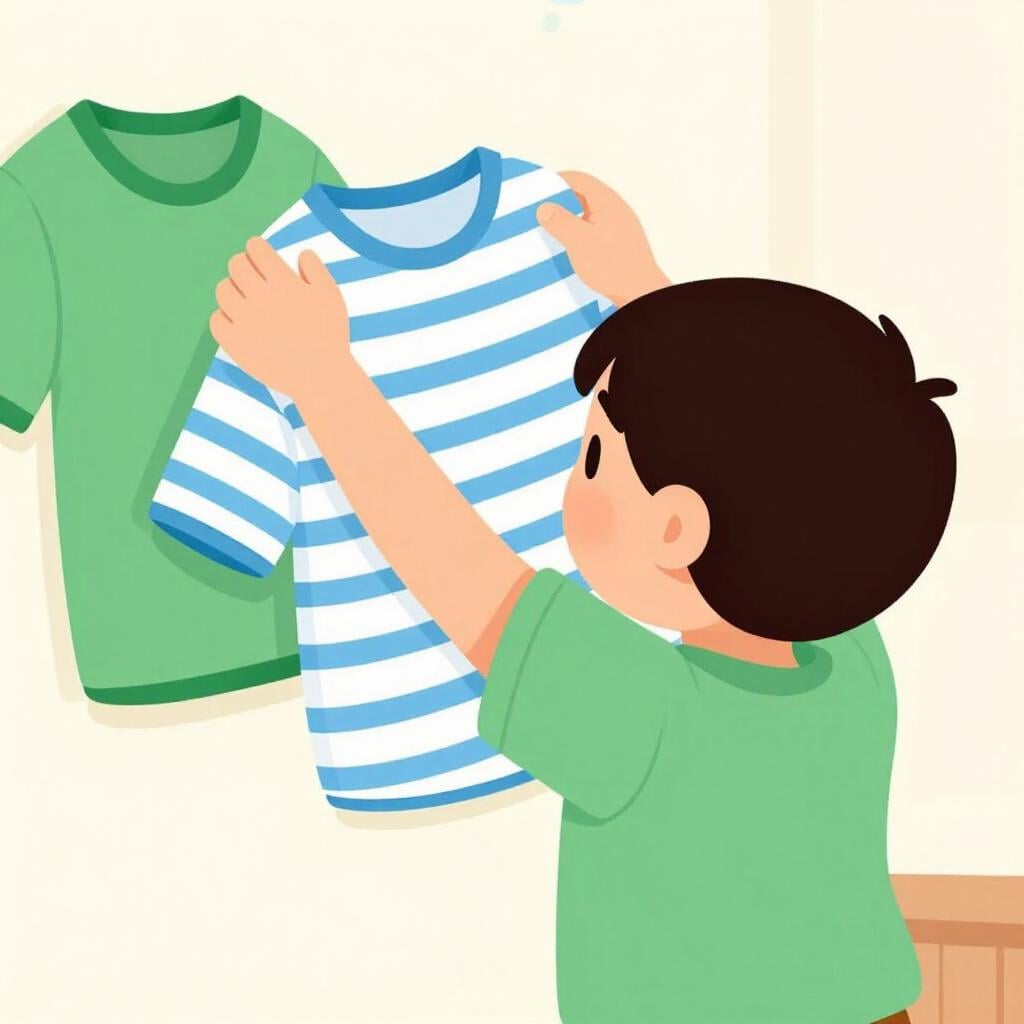
“cambiarme” means “to change myself” in Spanish (as in clothes or appearance).
📝 In Action
Necesito cambiarme antes de la fiesta.
A1I need to change (my clothes) before the party.
¿Dónde puedo cambiarme? Vengo de trabajar.
A2Where can I get changed? I'm coming from work.
Si no quiero ir, ¿puedo cambiarme de opinión mañana?
B1If I don't want to go, can I change my mind tomorrow?
Indicative
Preterite
Imperfect
Present
Subjunctive
Imperfect Subjunctive
Present Subjunctive
✏️ Quick Practice
Quick Quiz: cambiarme
Question 1 of 2
Which sentence correctly uses 'cambiarme'?
📚 More Resources
👥 Word Family▼
📚 Etymology▼
The verb 'cambiar' comes from the Late Latin *cambiare*, meaning 'to exchange' or 'to barter.' The meaning evolved over time to simply mean 'to make different.' The ending '-me' is the direct descendant of the Latin pronoun *me*, meaning 'me' or 'myself.'
First recorded: Cambiar (as a base verb) appeared in Spanish literature around the 13th century.
Cognates (Related words)
💡 Master Spanish
Take your Spanish to the next level. Read 200+ illustrated and narrated Spanish stories tailored to your level with the Inklingo app!
Frequently Asked Questions
Is 'cambiarme' only used for changing clothes?
No, while it's most common for clothes, it can also mean to change your mind ('cambiarme de opinión') or to change your physical location or situation, emphasizing that the action affects *you* directly.
Why does the word end in '-me' instead of '-se'?
The base reflexive verb is 'cambiarse.' The '-se' is the neutral form used in dictionaries. When you attach it to the infinitive, you change it to match the person doing the action. Since 'cambiarme' implies 'I' (yo) am changing, the pronoun becomes 'me' (myself).