carreta
“carreta” means “cart” in Spanish. It has 2 different meanings depending on context:

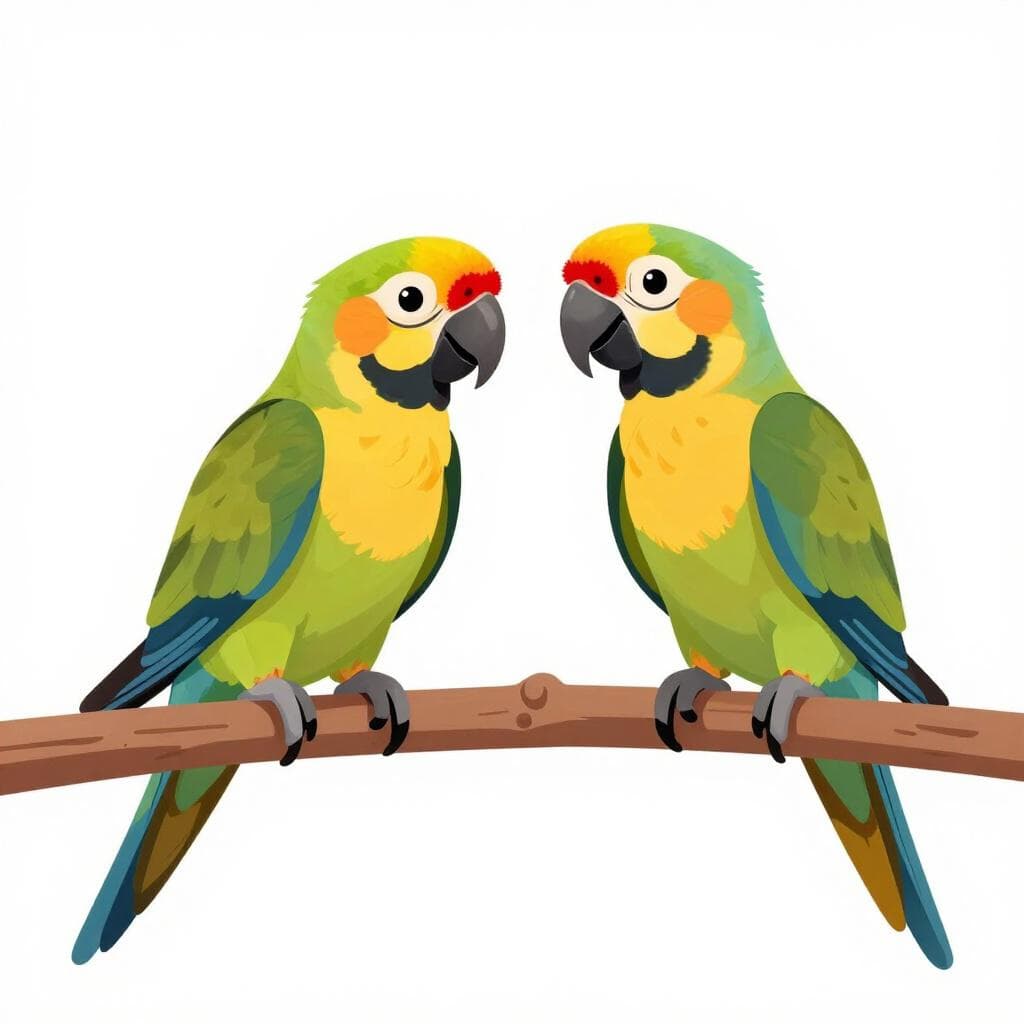
cart
Also: wagon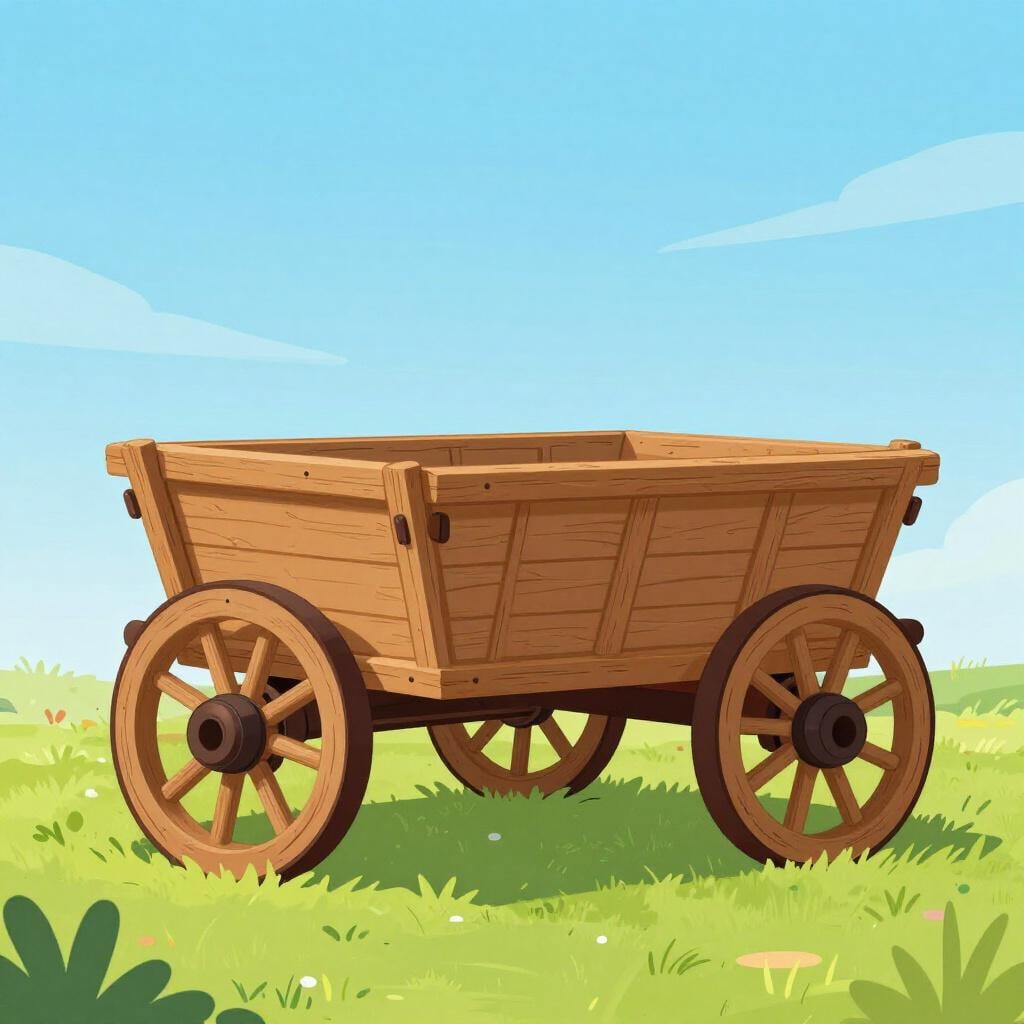
📝 In Action
La carreta de madera es muy antigua.
A1The wooden cart is very old.
Los bueyes tiran de la carreta por el campo.
A2The oxen pull the wagon through the field.
En el desfile, decoraron la carreta con muchas flores de colores.
B1In the parade, they decorated the cart with many colorful flowers.
chatter
Also: hot air
📝 In Action
Ese vendedor tiene mucha carreta.
B1That salesman has a lot of hot air (he talks a lot).
¡No me eches carreta!
B2Don't give me that nonsense / Don't lie to me!
✏️ Quick Practice
Quick Quiz: carreta
Question 1 of 3
What is the most common meaning of 'carreta' in a general Spanish context?
📚 More Resources
👥 Word Family▼
📚 Etymology▼
Derived from the Latin word 'carrus', which referred to a two-wheeled chariot or wagon used by the Celts and later the Romans.
First recorded: 13th century
Cognates (Related words)
💡 Master Spanish
Take your Spanish to the next level. Read 200+ illustrated and narrated Spanish stories tailored to your level with the Inklingo app!
Frequently Asked Questions
What is the difference between 'carro' and 'carreta'?
In most places, 'carro' means a modern car. 'Carreta' specifically refers to an old-fashioned cart or wagon, usually made of wood and pulled by animals.
Is 'carreta' a common word today?
Yes, but its usage depends on the context. You'll see it in history books, at traditional parades, or in rural farming areas.
How do I pronounce the double 'rr' in 'carreta'?
Place your tongue against the ridge behind your upper teeth and blow air to make it vibrate. It's a stronger sound than the single 'r' in 'caro'.