How to Say "cart" in Spanish
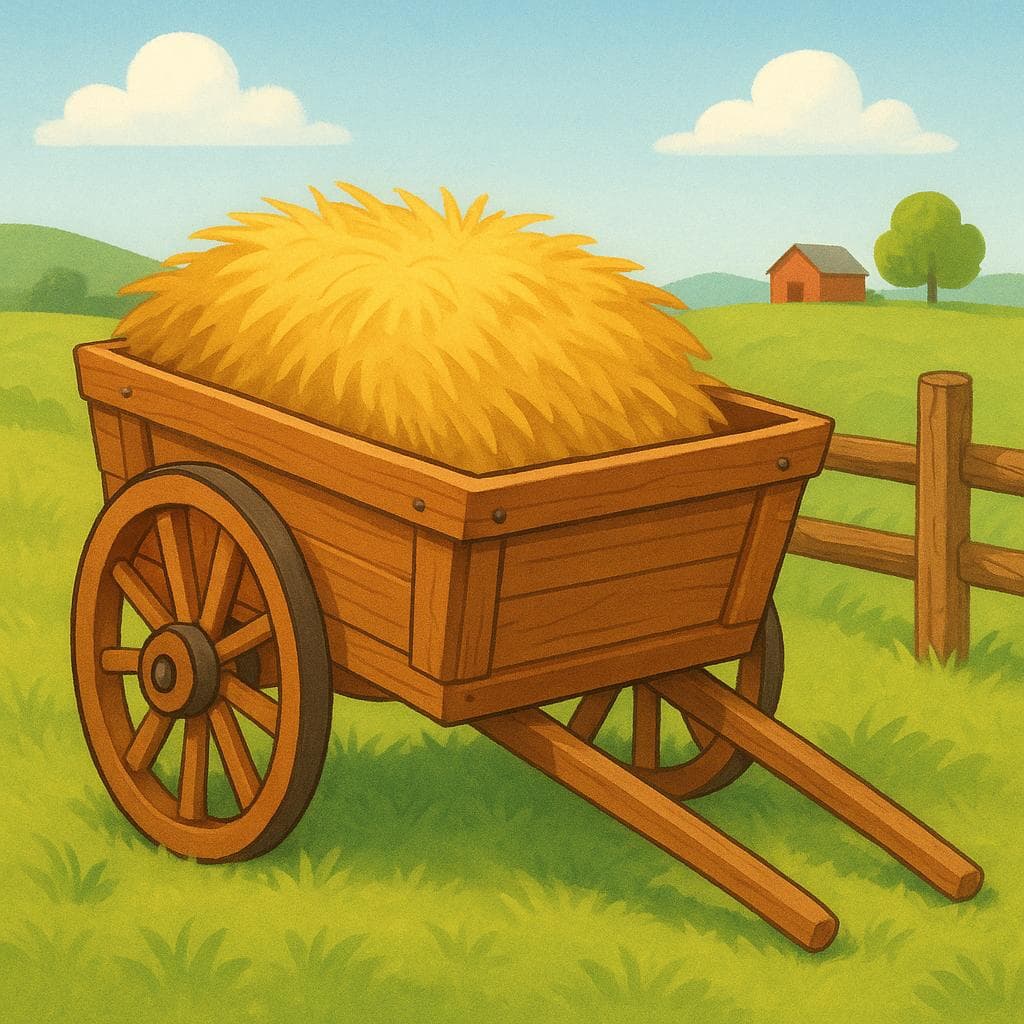
The most common Spanish word for “cart” is “carro” — use 'carro' for a general, non-motorized vehicle used to transport goods, especially when it's a smaller, hand-pushed item like a shopping cart or a trolley for groceries.

carro
KAH-rrohˈkarro
Examples
Necesitamos un carro grande para llevar todas estas bolsas del mercado.
We need a big cart to carry all these grocery bags.
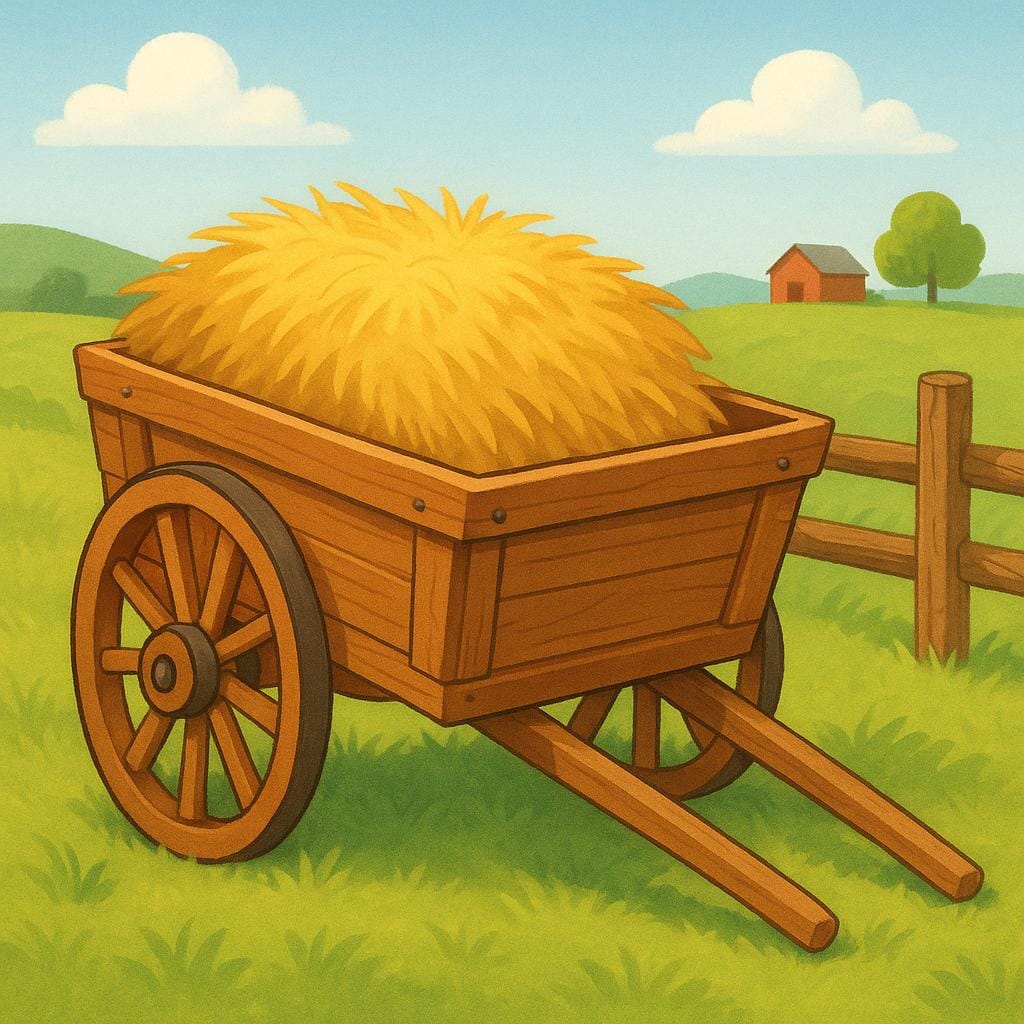
El granjero cargó la paja en el carro tirado por el caballo.
The farmer loaded the straw onto the wagon pulled by the horse.
Diminutive Form
To talk about a small cart, like a shopping cart or a toy wagon, you can use the diminutive form 'carrito'.
carreta
kah-REH-tahkaˈreta
Examples
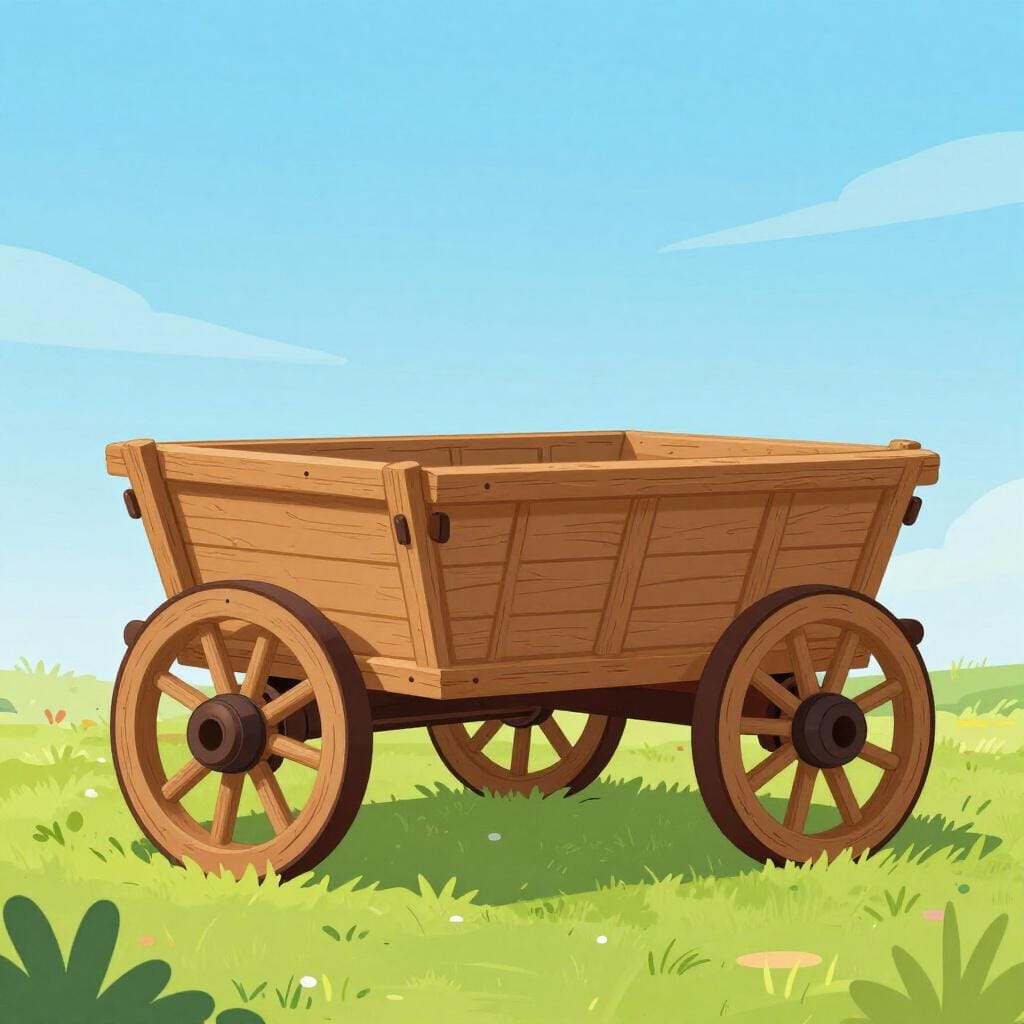
La carreta de madera es muy antigua.
The wooden cart is very old.
Los bueyes tiran de la carreta por el campo.
The oxen pull the wagon through the field.
En el desfile, decoraron la carreta con muchas flores de colores.
In the parade, they decorated the cart with many colorful flowers.
Gender Identification
This word ends in 'a' and is feminine, so you should always use 'la' or 'una' with it.
The Rolling 'R'
Since it has a double 'rr', you need to vibrate your tongue strongly against the roof of your mouth to make the 'rolling' sound.
Car vs. Cart
Mistake: “Using 'carreta' to talk about a modern automobile.”
Correction: Use 'coche' or 'carro' (in Latin America) for a modern car; 'carreta' is specifically for animal-drawn or simple manual carts.
Carro vs. Carreta
Learn Spanish with Inklingo
Interactive stories, personalized learning, and more.