How to Say "car" in Spanish
The most common Spanish word for “car” is “coche” — this is the most common and widely understood word for a personal car, especially in Spain.
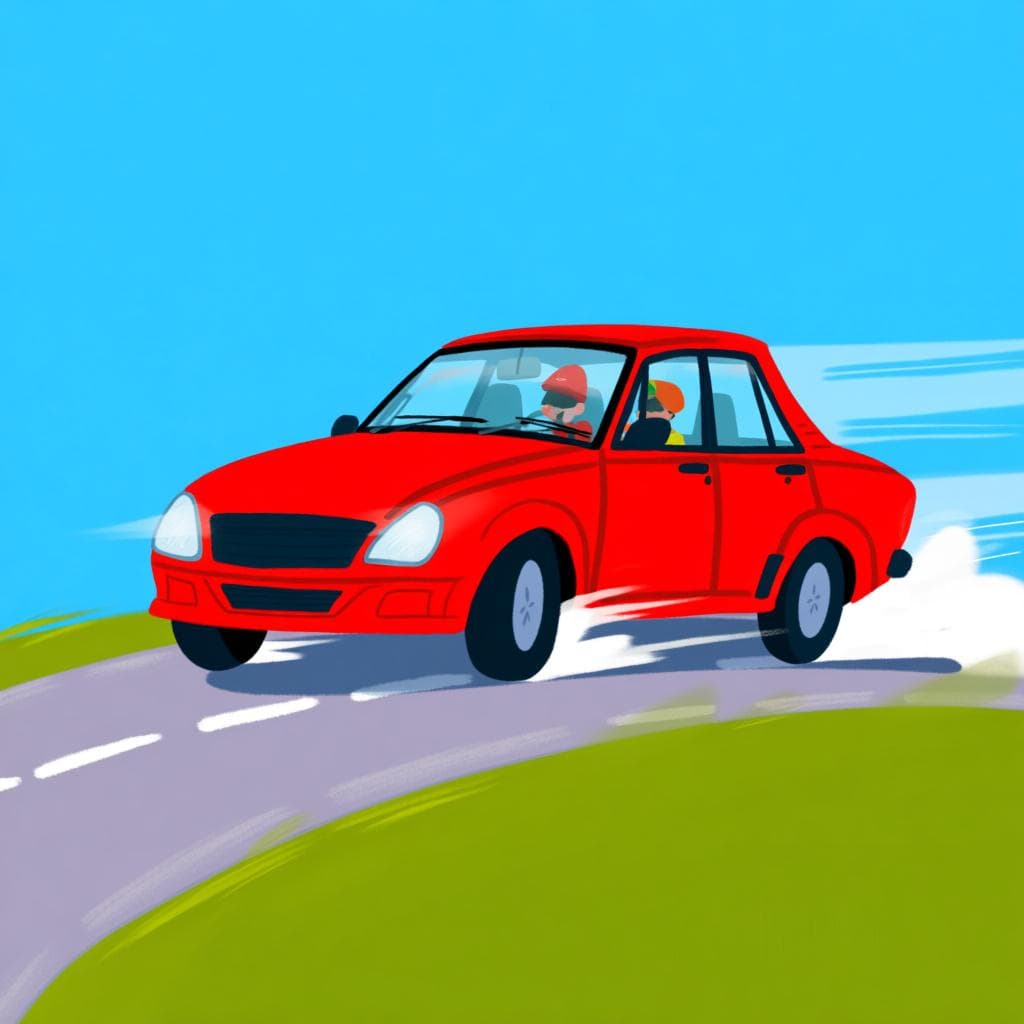
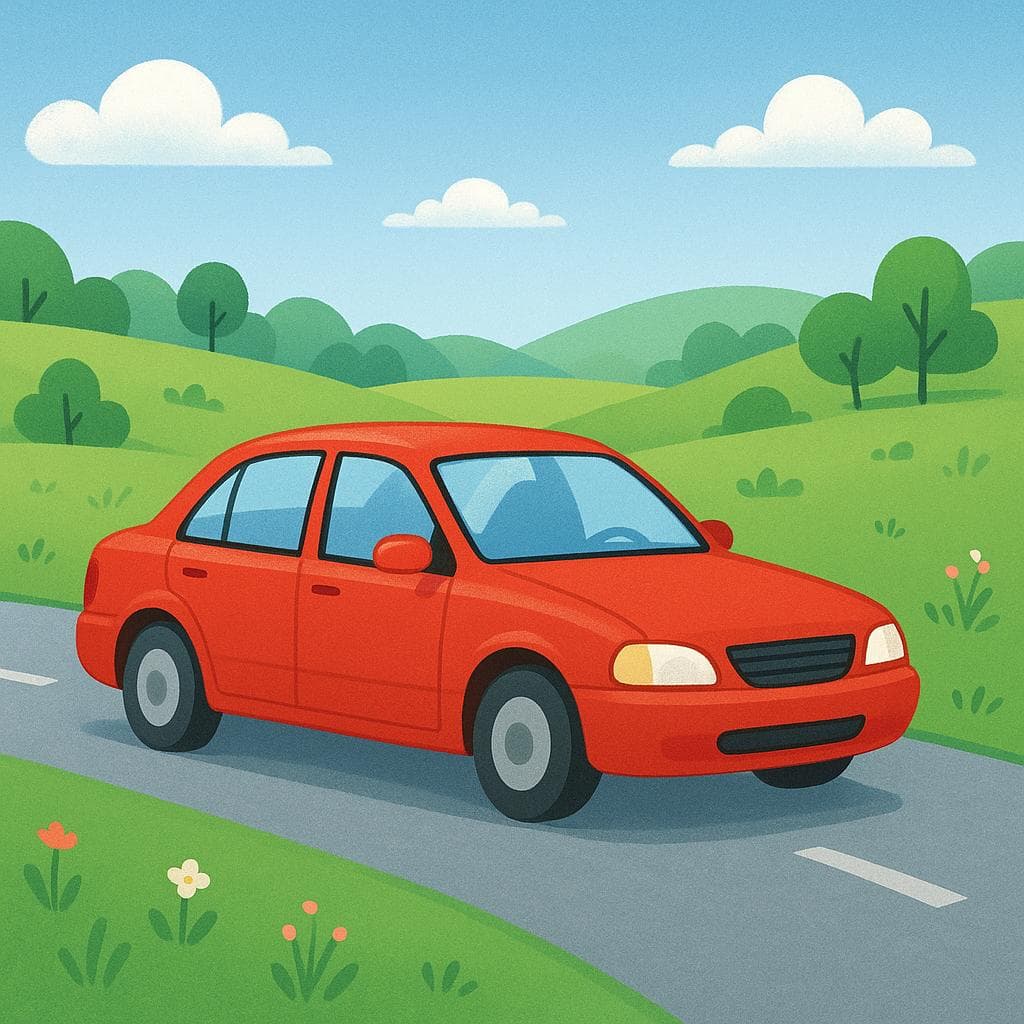
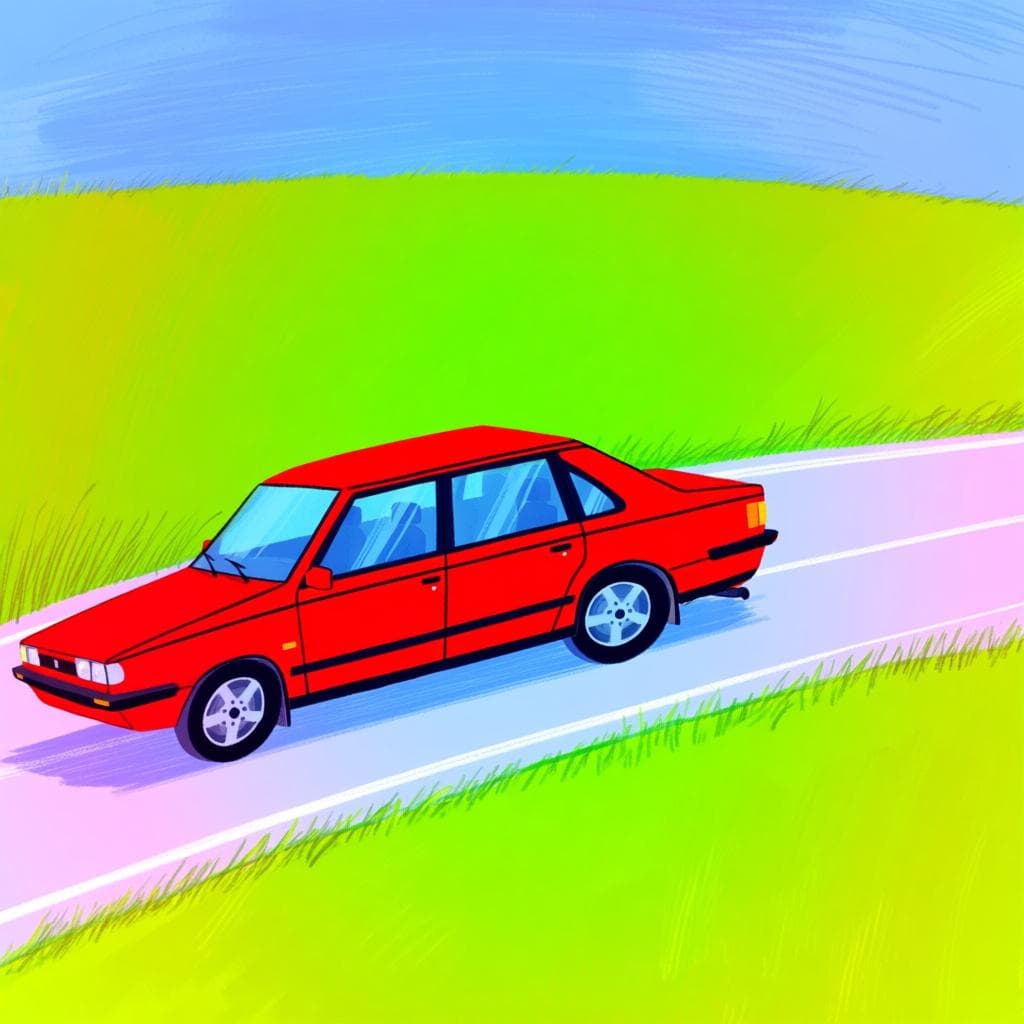
coche
KO-chehˈko.t͡ʃe
Examples
Mi coche es rojo.
My car is red.
Vamos a la playa en coche.
We're going to the beach by car.
Aparqué el coche cerca de tu casa.
I parked the car near your house.
Using 'en' for Transportation
To say you are traveling 'by' a vehicle like a car, you use the word 'en'. For example, 'viajo en coche' means 'I travel by car'.
'Coche' vs. 'Carro' vs. 'Auto'
Mistake: “Using 'coche' in a country where 'carro' or 'auto' is more common can sound a bit unnatural.”
Correction: While 'coche' is understood everywhere, try using 'carro' (in Mexico, Colombia, etc.) or 'auto' (in Argentina, Chile, etc.) to sound more like a local in those places.
carro
KAH-rrohˈkarro
Examples
Necesito comprar gasolina para mi carro.
I need to buy gas for my car.
El tráfico estaba terrible y el carro se recalentó.
The traffic was terrible and the car overheated.
¿Dónde estacionaste el carro?
Where did you park the car?
Masculine Noun Rule
Since 'carro' is a masculine noun, it always uses the masculine articles 'el' (the) or 'un' (a/an) before it.
Using 'carro' in Spain
Mistake: “Using 'carro' when talking to someone from Spain about their personal vehicle.”
Correction: In Spain, use 'coche' instead of 'carro' for a passenger vehicle. 'Carro' usually means 'cart' there.
auto
OW-tohˈau.to
Examples
Mi auto nuevo es de color rojo.
My new car is red.
¿Dónde estacionaste el auto?
Where did you park the car?
Vamos a necesitar un auto más grande para la familia.
We're going to need a bigger car for the family.
Gender of 'Auto'
'Auto' is a masculine noun, so you always use 'el' or 'un' with it, like 'el auto rojo' (the red car). It's short for the masculine word 'automóvil'.
'Auto' vs. 'Coche' vs. 'Carro'
Mistake: “Using 'coche' in Colombia or 'carro' in Spain for everyday conversation.”
Correction: Use 'auto' or 'carro' in most of Latin America. Use 'coche' in Spain. 'Auto' is widely understood everywhere, making it a safe choice.
automóvil
Examples
Mi tío compró un automóvil nuevo el mes pasado.
My uncle bought a new car last month.
vehículo
Examples
Todos los vehículos deben respetar el límite de velocidad.
All vehicles must respect the speed limit.
vagón
Examples
El último vagón del metro siempre va más vacío.
The last car of the subway is always emptier.
Regional Differences for 'Car'
Related Translations
Learn Spanish with Inklingo
Interactive stories, personalized learning, and more.