How to Say "carriage" in Spanish
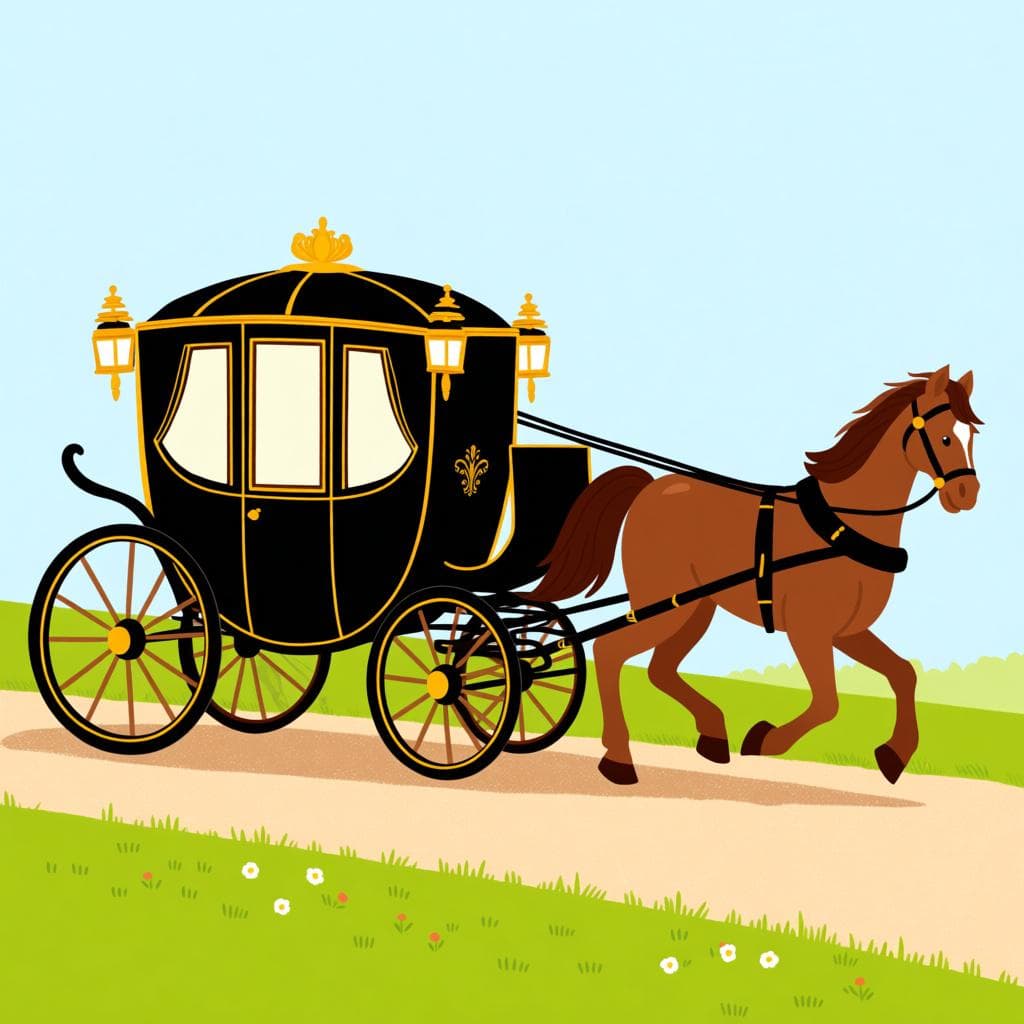
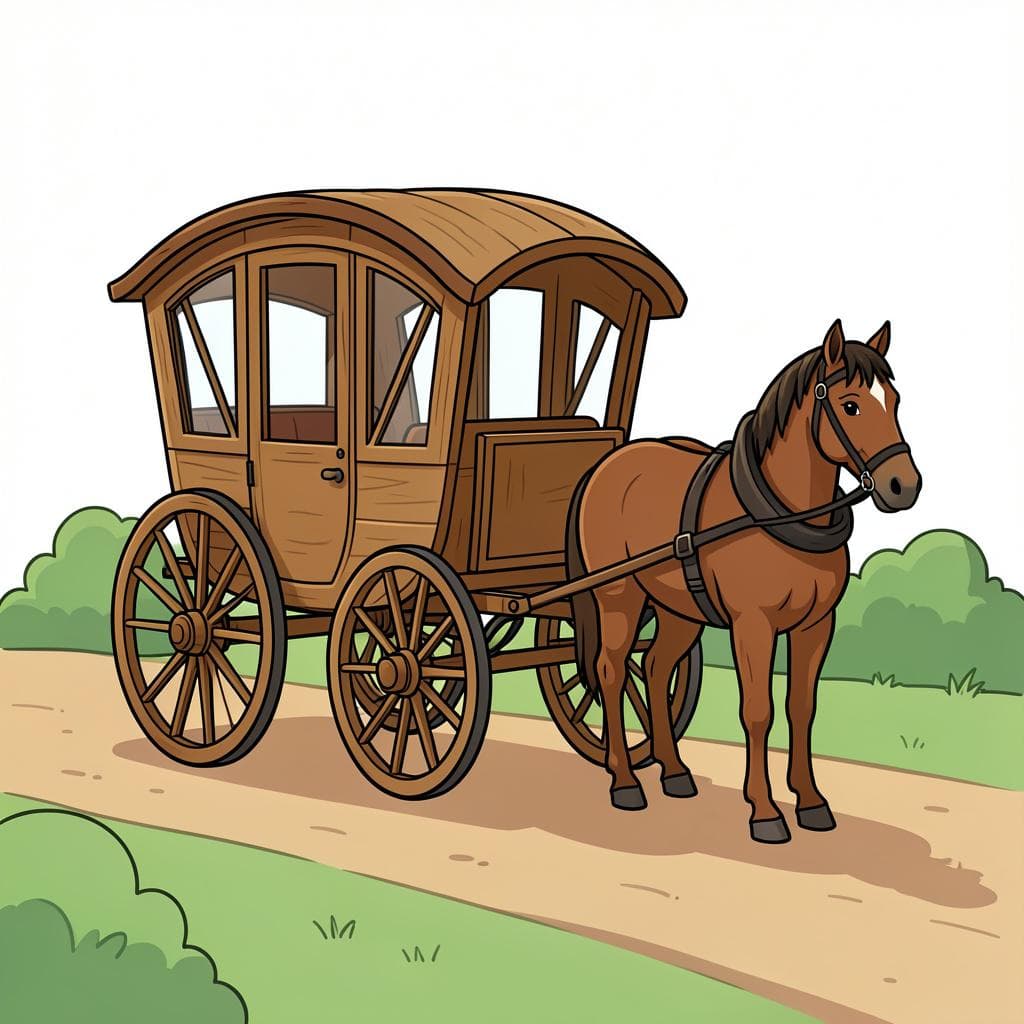
The most common Spanish word for “carriage” is “coche” — use 'coche' when referring to a horse-drawn vehicle, especially in a more general or slightly older context.

coche
KO-chehˈko.t͡ʃe
Examples
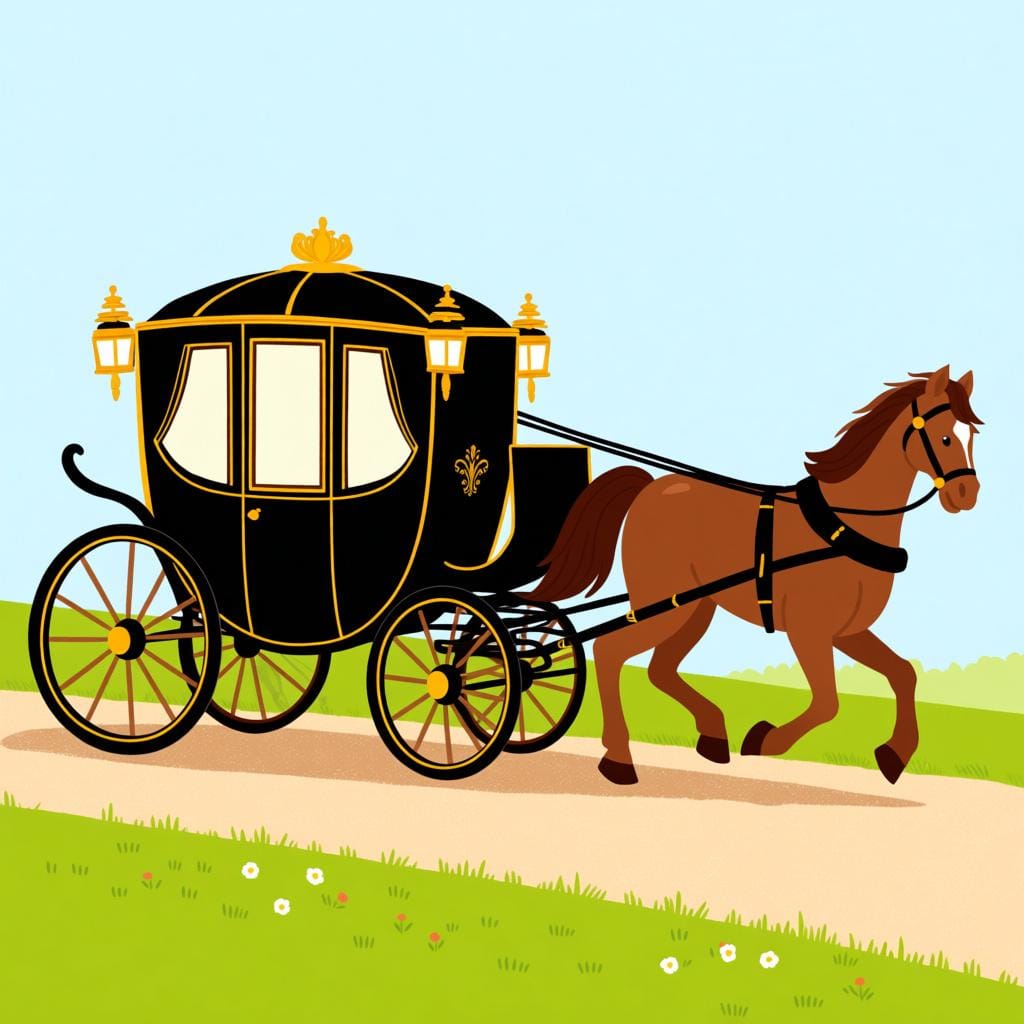
La reina llegó en un coche tirado por caballos.
The queen arrived in a horse-drawn carriage.
Este tren tiene ocho coches de pasajeros.
This train has eight passenger coaches (or cars).
El bebé duerme en su coche.
The baby is sleeping in his carriage (stroller).
carruaje
ka-rrwa-hehka'rwaxe
Examples
Cenicienta fue al baile en un carruaje que antes era una calabaza.
Cinderella went to the ball in a carriage that was previously a pumpkin.
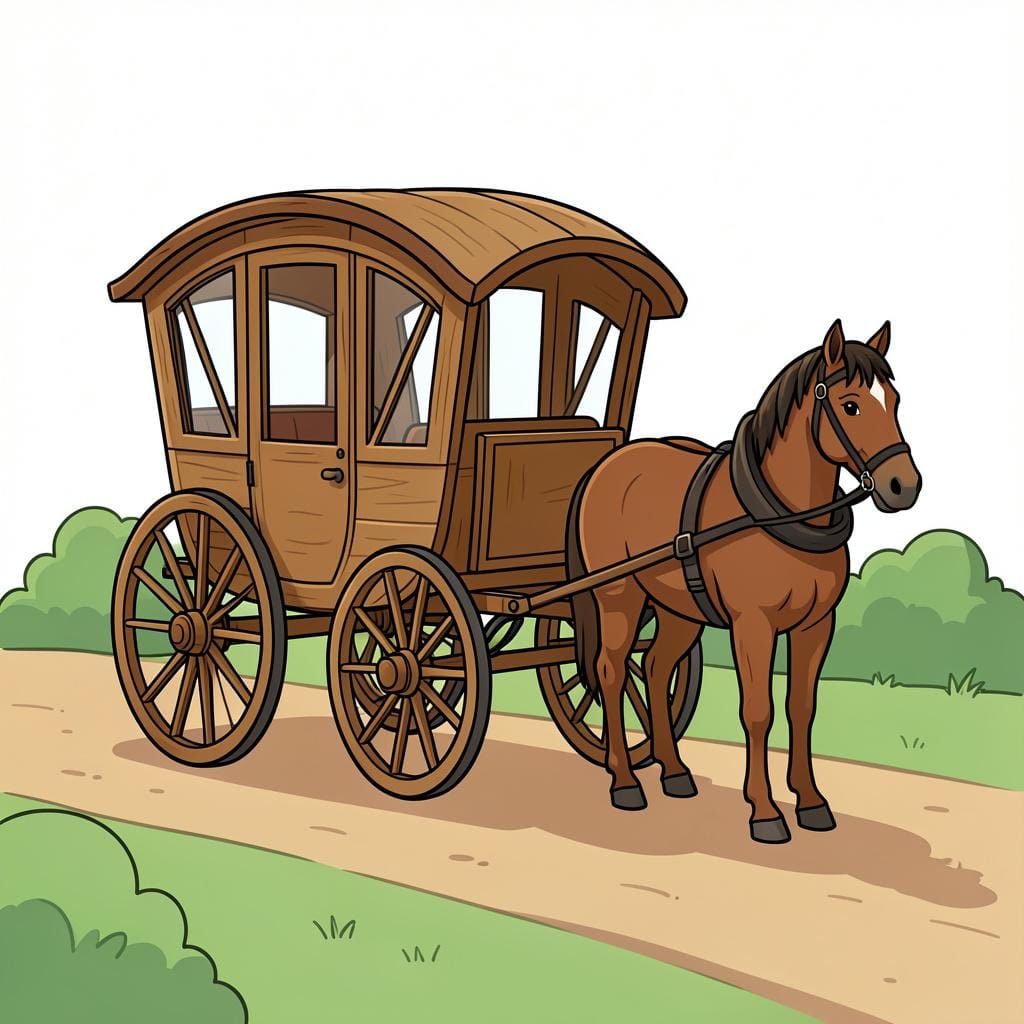
El museo tiene una colección impresionante de carruajes antiguos.
The museum has an impressive collection of old carriages.
Los novios salieron de la iglesia en un carruaje tirado por caballos blancos.
The bride and groom left the church in a carriage pulled by white horses.
The '-aje' Gender Rule
Words ending in '-aje' in Spanish are almost always masculine. This means you should use 'el' or 'un' with them (el carruaje, el viaje, el equipaje).
Carruaje vs. Carro
Mistake: “Using 'carruaje' to talk about a modern car.”
Correction: Use 'coche' or 'carro' for modern cars. 'Carruaje' is specifically for historical or horse-drawn vehicles.
carroza
kah-ROH-thahkaˈroθa

Examples
La carroza de la reina estaba decorada con miles de flores.
The queen's float was decorated with thousands of flowers.
Cenicienta fue al baile en una carroza de oro.
Cinderella went to the ball in a gold carriage.
Participaremos en el desfile con nuestra propia carroza.
We will participate in the parade with our own float.
Using 'en' with carroza
Just like with cars or buses, use the word 'en' to say you are riding in a carriage or on a float.
Always Feminine
Even if a king is riding in it, the word for the vehicle itself stays feminine: 'la carroza'.
Car vs. Carriage
Mistake: “Using 'carroza' to mean a regular car.”
Correction: Use 'coche' or 'carro' for a daily vehicle. 'Carroza' is only for fancy, decorative, or ceremonial vehicles.
vagón
Examples
El último vagón del metro siempre va más vacío.
The last car of the subway is always emptier.
Horse-drawn vs. Train Cars
Related Translations
Learn Spanish with Inklingo
Interactive stories, personalized learning, and more.