How to Say "dinosaur" in Spanish
The most common Spanish word for “dinosaur” is “dinosaurio” — use 'dinosaurio' when referring to the actual prehistoric reptile, or when describing a person or thing that is very old-fashioned and out of touch with modern times.
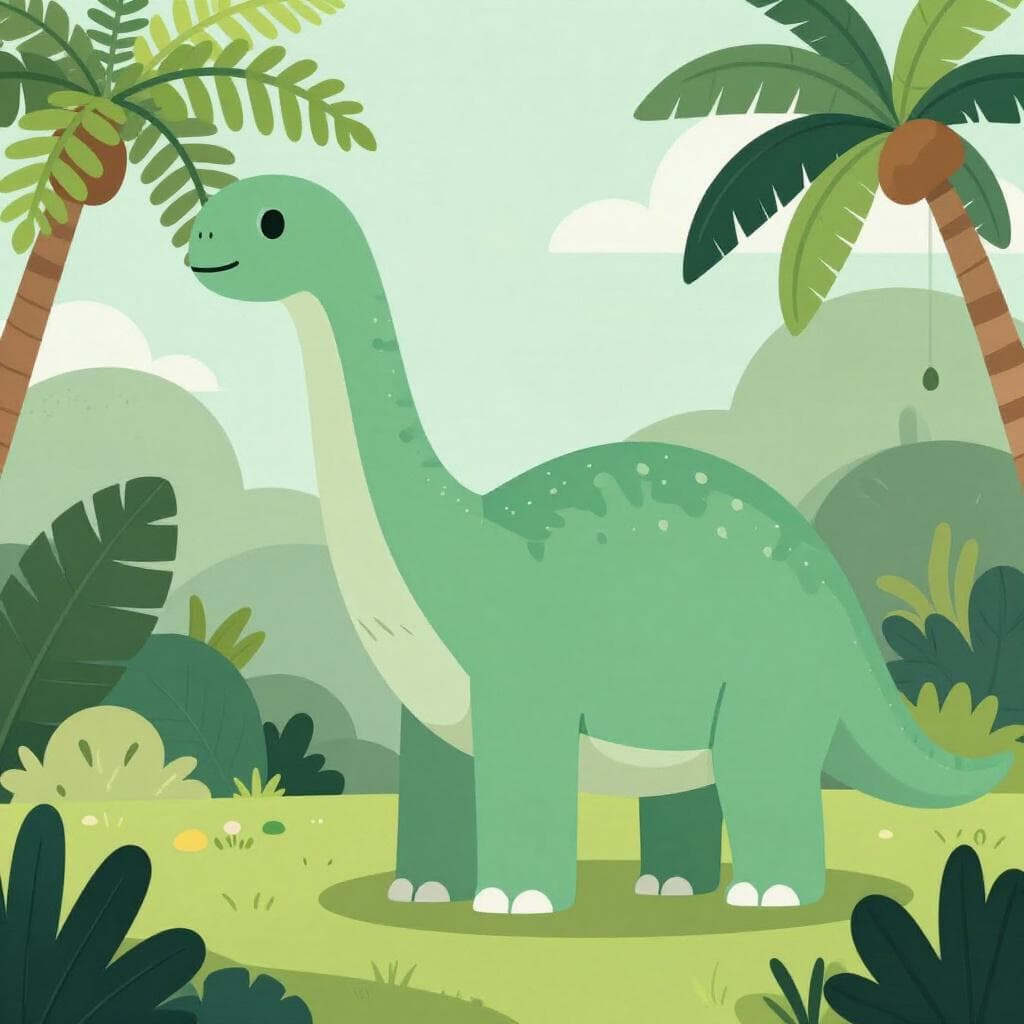

dinosaurio
dee-noh-SOW-ryohdinoˈsauɾjo
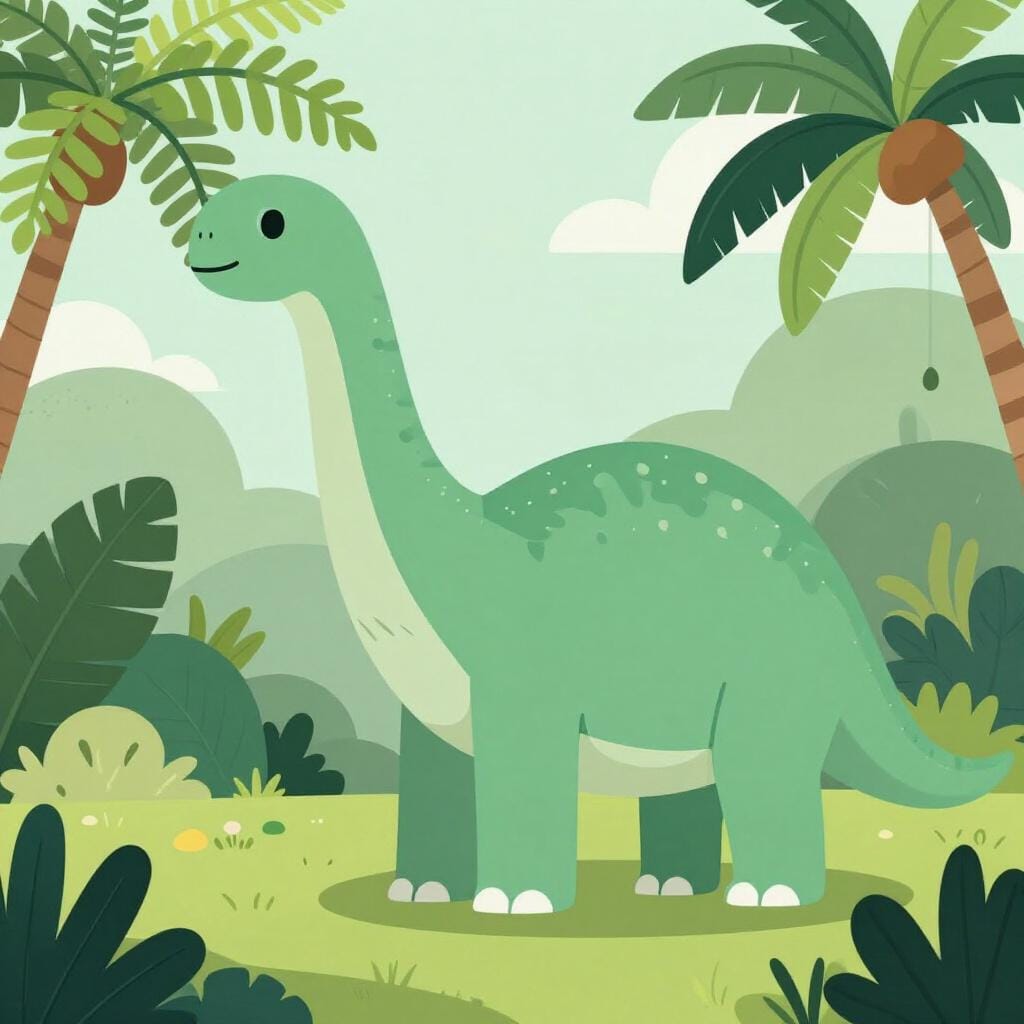
Examples
Mi hijo tiene un dinosaurio de juguete en su cama.
My son has a toy dinosaur on his bed.
Los dinosaurios vivieron hace millones de años.
Dinosaurs lived millions of years ago.
El museo tiene un esqueleto de dinosaurio muy grande.
The museum has a very large dinosaur skeleton.
Ese político es un dinosaurio que no entiende el internet.
That politician is a dinosaur who doesn't understand the internet.
Always Masculine
Even if you are talking about a female dinosaur, the word is always 'el dinosaurio'. To specify gender, you say 'el dinosaurio hembra' (the female dinosaur).
Simple Ending
This word follows the standard rule where words ending in -o are masculine, making it easy to remember to use 'el' and 'un'.
Descriptive Noun
When using this to describe a person, you use the 'un' (a) before the word, just like saying someone is 'a hero' or 'a genius'.
Gender confusion
Mistake: “La dinosaurio es grande.”
Correction: El dinosaurio es grande. Even for female animals, the base noun remains masculine.
Tone check
Mistake: “Using 'dinosaurio' for any elderly person.”
Correction: Only use it when you want to emphasize that their ideas or technology are obsolete/outdated, not just because they are old.
dinosaurio
dee-noh-SOW-ryohdinoˈsauɾjo
Examples
Ese político es un dinosaurio que no entiende el internet.
That politician is a dinosaur who doesn't understand the internet.
Mi hijo tiene un dinosaurio de juguete en su cama.
My son has a toy dinosaur on his bed.
Los dinosaurios vivieron hace millones de años.
Dinosaurs lived millions of years ago.
El museo tiene un esqueleto de dinosaurio muy grande.
The museum has a very large dinosaur skeleton.
Always Masculine
Even if you are talking about a female dinosaur, the word is always 'el dinosaurio'. To specify gender, you say 'el dinosaurio hembra' (the female dinosaur).
Simple Ending
This word follows the standard rule where words ending in -o are masculine, making it easy to remember to use 'el' and 'un'.
Descriptive Noun
When using this to describe a person, you use the 'un' (a) before the word, just like saying someone is 'a hero' or 'a genius'.
Gender confusion
Mistake: “La dinosaurio es grande.”
Correction: El dinosaurio es grande. Even for female animals, the base noun remains masculine.
Tone check
Mistake: “Using 'dinosaurio' for any elderly person.”
Correction: Only use it when you want to emphasize that their ideas or technology are obsolete/outdated, not just because they are old.
carroza
kah-ROH-thahkaˈroθa

Examples
No seas tan carroza y ven a bailar con nosotros.
Don't be such an old fogey and come dance with us.
Mi tío es un carroza, no sabe ni usar el móvil.
My uncle is a dinosaur; he doesn't even know how to use a cell phone.
¡Qué música más antigua escuchas! Eres un poco carroza.
You listen to such old music! You're a bit of an old-timer.
The 'A' ending for men
Even when calling a man an 'old-timer,' you still say 'un carroza.' The word does not change to 'carrozo.'
Gender confusion
Mistake: “Saying 'Él es un carrozo.'”
Correction: Always say 'Él es un carroza.' This is one of those rare words that stays feminine even when describing a male.
Figurative vs. Literal Dinosaur
Related Translations
Learn Spanish with Inklingo
Interactive stories, personalized learning, and more.