How to Say "old fogey" in Spanish
The most common Spanish word for “old fogey” is “carroza” — use 'carroza' when you want to describe someone whose ideas or attitudes are stuck in the past, especially when they are preventing others from enjoying modern activities.

Use 'carroza' when you want to describe someone whose ideas or attitudes are stuck in the past, especially when they are preventing others from enjoying modern activities.
Learn more →
Choose 'dinosaurio' for someone, often older, who strongly resists any kind of change or new developments, particularly in technology or societal norms.
Learn more →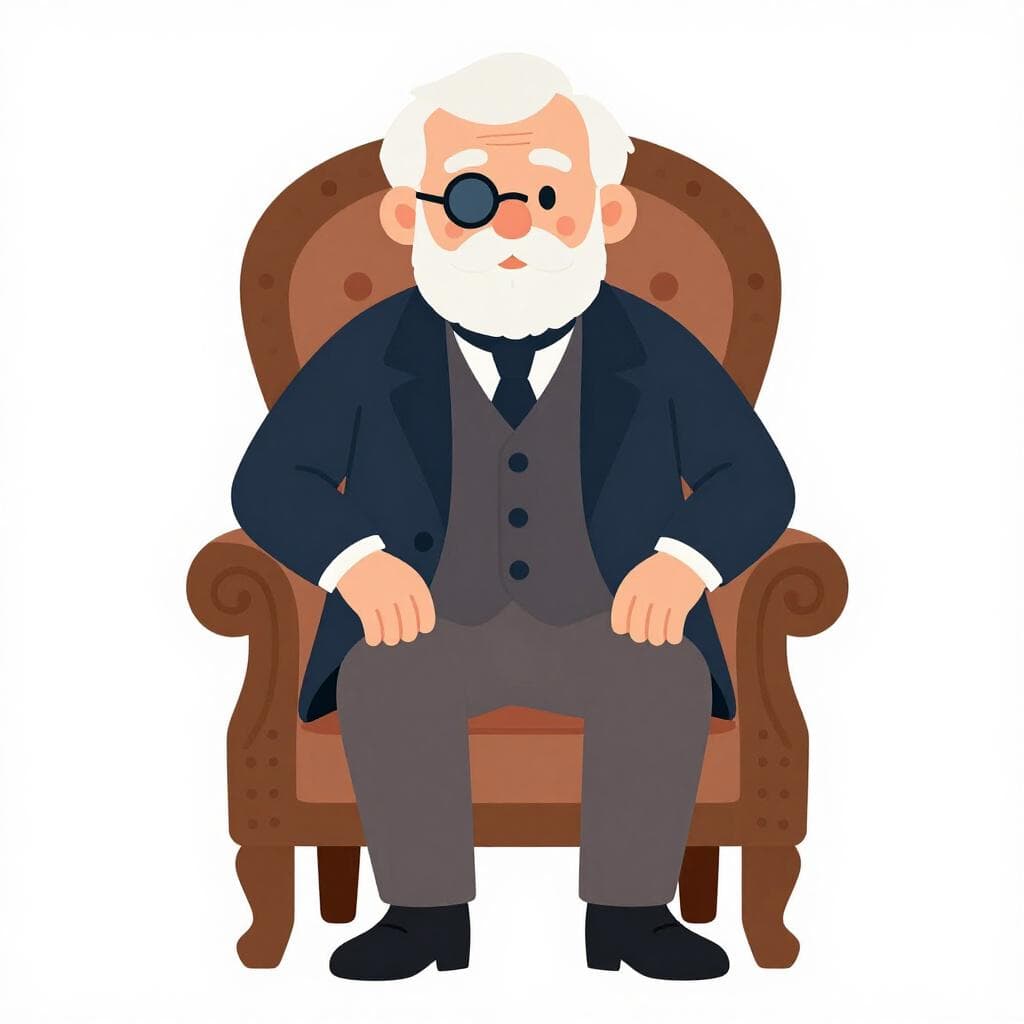
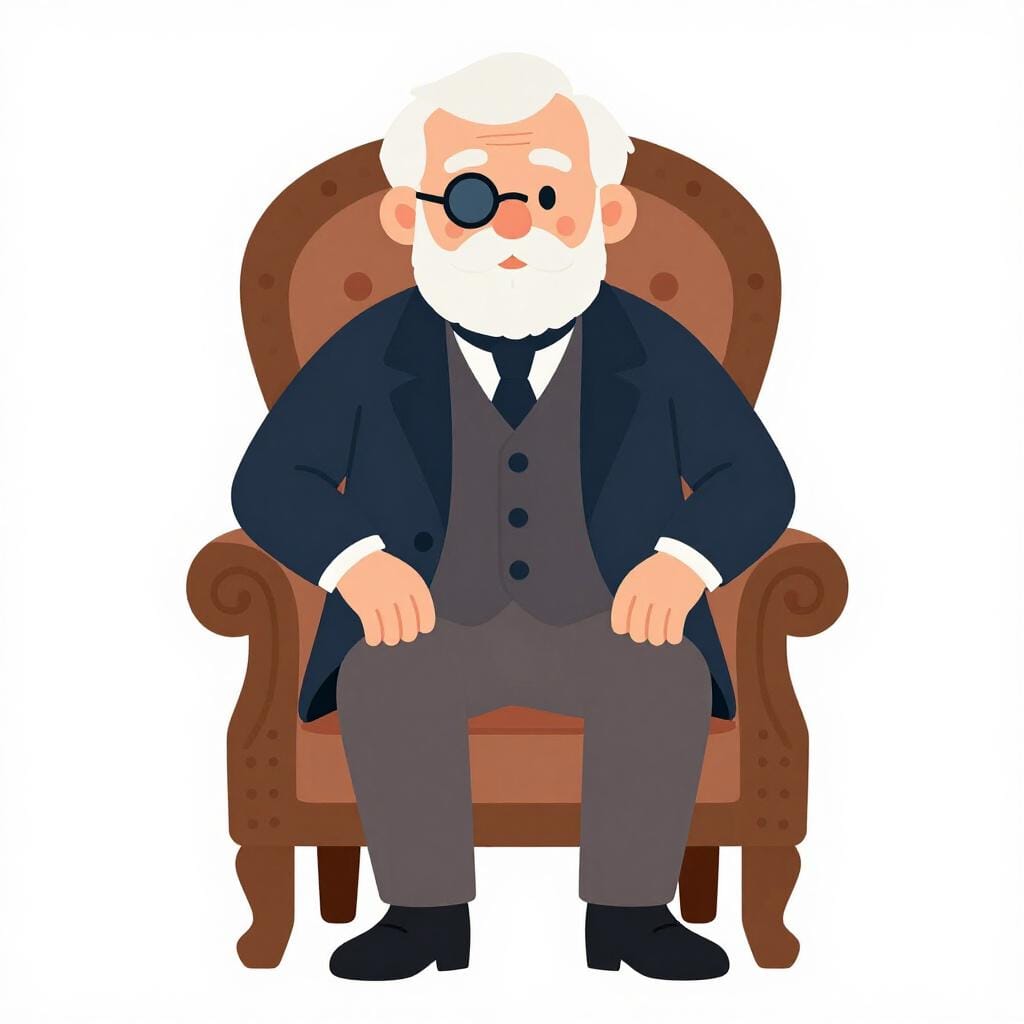
Use 'momia' to call someone extremely old-fashioned and out of touch, often in a playful or slightly exasperated way, implying they are stuck in their ways.
Learn more →kah-ROH-thahkaˈroθa

Examples
No seas tan carroza y ven a bailar con nosotros.
Don't be such an old fogey and come dance with us.
Mi tío es un carroza, no sabe ni usar el móvil.
My uncle is a dinosaur; he doesn't even know how to use a cell phone.
¡Qué música más antigua escuchas! Eres un poco carroza.
You listen to such old music! You're a bit of an old-timer.
The 'A' ending for men
Even when calling a man an 'old-timer,' you still say 'un carroza.' The word does not change to 'carrozo.'
Gender confusion
Mistake: “Saying 'Él es un carrozo.'”
Correction: Always say 'Él es un carroza.' This is one of those rare words that stays feminine even when describing a male.
dee-noh-SOW-ryohdinoˈsauɾjo

Examples
Ese político es un dinosaurio que no entiende el internet.
That politician is a dinosaur who doesn't understand the internet.
Mi vieja computadora es un dinosaurio; tarda horas en encender.
My old computer is a dinosaur; it takes hours to turn on.
Descriptive Noun
When using this to describe a person, you use the 'un' (a) before the word, just like saying someone is 'a hero' or 'a genius'.
Tone check
Mistake: “Using 'dinosaurio' for any elderly person.”
Correction: Only use it when you want to emphasize that their ideas or technology are obsolete/outdated, not just because they are old.
moh-mee-ahˈmomja
Examples
¡No seas una momia y ven a bailar!
Don't be such a stick-in-the-mud and come dance!
Ese profesor es una momia, siempre cuenta las mismas historias.
That teacher is an old fogey; he always tells the same stories.
Mi hermano se queda en el sofá como una momia todo el domingo.
My brother stays on the couch like a statue/mummy all Sunday.
Describing People
When calling a man an 'old fogey,' you still use the feminine form 'una momia.' It doesn't become 'un momio' in most general Spanish contexts.
Don't be too mean
Mistake: “Calling your boss a 'momia' to his face.”
Correction: This is quite informal and can be offensive. Only use it with friends or family you are teasing.
Choosing Between 'Carroza' and 'Momia'
Learners often confuse 'carroza' and 'momia' because both imply being out of touch. Remember that 'carroza' specifically targets outdated ideas and resistance to new activities, while 'momia' is a more general, sometimes playful, term for someone very old-fashioned and stuck in their ways.
Related Translations
Learn Spanish with Inklingo
Interactive stories, personalized learning, and more.