How to Say "coach" in Spanish
The most common Spanish word for “coach” is “autobús” — use 'autobús' for a long-distance passenger vehicle, similar to a bus or coach in English, especially common in Latin America.


autobús
Examples
¿A qué hora pasa el próximo autobús?
What time does the next bus pass?
bus
boosbus

Examples
Tengo que tomar el bus para ir al trabajo.
I have to take the bus to go to work.
¿Sabes dónde está la parada de bus más cercana?
Do you know where the nearest bus stop is?
El bus de las diez se retrasó por el tráfico.
The ten o'clock bus was delayed because of traffic.
Gender and Articles
Since 'bus' is a masculine noun, always use the masculine articles: 'el bus' (the bus) or 'un bus' (a bus).
Confusing 'bus' and 'autobús'
Mistake: “Using 'autobús' in very casual, quick speech when 'bus' or 'micro' might sound more natural.”
Correction: 'Bus' is a very common, snappy abbreviation for 'autobús' in many regions, especially Spain and Central America.
entrenador
en-treh-nah-DORentɾenaˈðoɾ

Examples
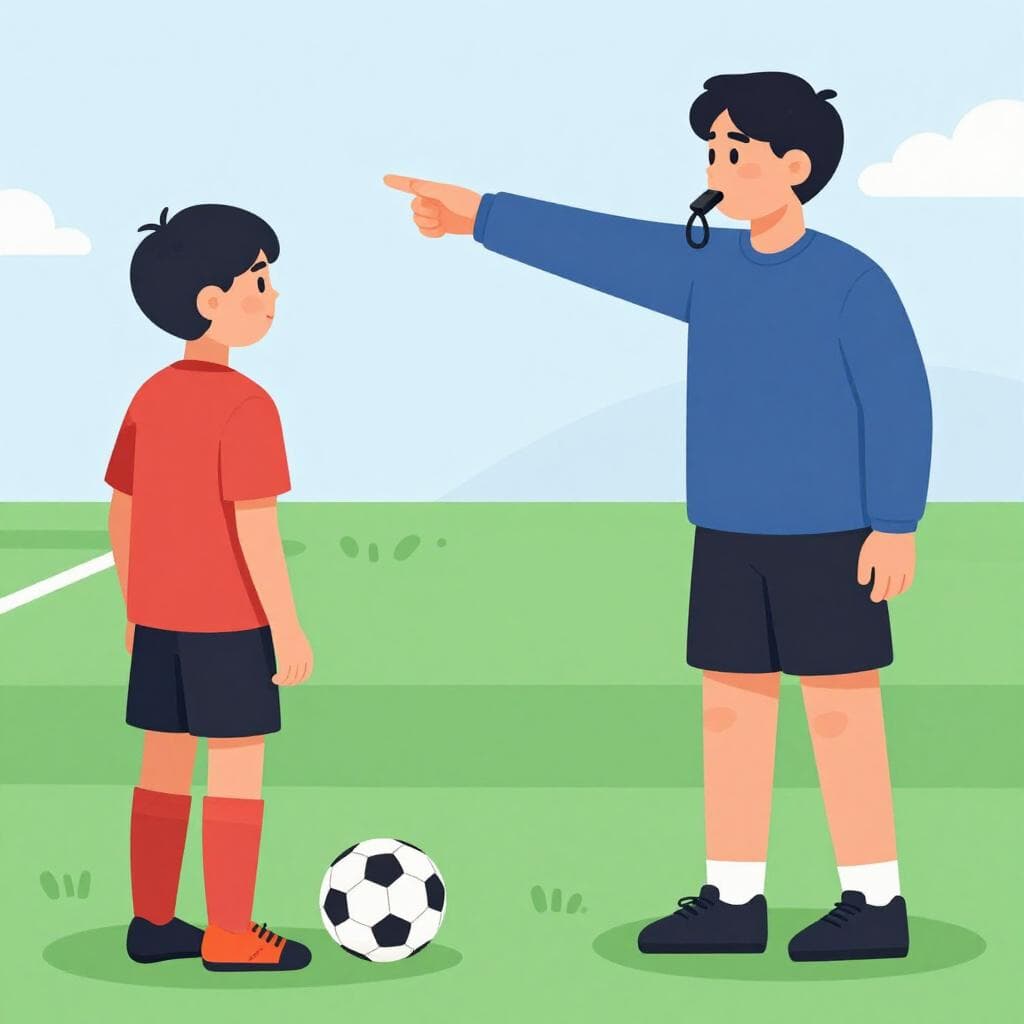
El entrenador les dijo a los jugadores que corrieran más rápido.
The coach told the players to run faster.
Mi entrenador de natación es muy estricto, pero es el mejor.
My swimming coach is very strict, but he is the best.
Gender Change
To refer to a female coach, you simply change the ending: 'la entrenadora'. The root of the word stays the same.
Confusing the Person and the Place
Mistake: “Voy al entrenador.”
Correction: Voy al entrenamiento. ('Entrenador' is the person; 'entrenamiento' is the practice session or training itself.)
camión
Examples
Tengo que tomar el camión para ir al centro.
I have to take the bus to go downtown.
instructor
een-strook-TOHRinstɾukˈtoɾ

Examples
Mi instructor de manejo es muy paciente.
My driving instructor is very patient.
El instructor de buceo nos enseñó a respirar bajo el agua.
The diving instructor taught us how to breathe underwater.
Para ser un instructor certificado, necesitas completar este curso.
To be a certified instructor, you need to complete this course.
Adding the female version
For words ending in '-or' like this one, you just add an 'a' at the end to make it feminine: 'la instructora'.
Linking skills with 'de'
When you want to say what someone is an instructor of, always use the word 'de' followed by the skill (e.g., 'instructor de esquí').
Teacher vs. Instructor
Mistake: “Using 'profesor' for a gym trainer.”
Correction: Use 'instructor' or 'entrenador' for physical skills or specific practical tasks; 'profesor' is usually for school subjects like math or history.
técnico
Examples
El técnico del equipo de fútbol fue despedido después de la derrota.
The coach of the soccer team was fired after the defeat.
coche
KO-chehˈko.t͡ʃe
Examples
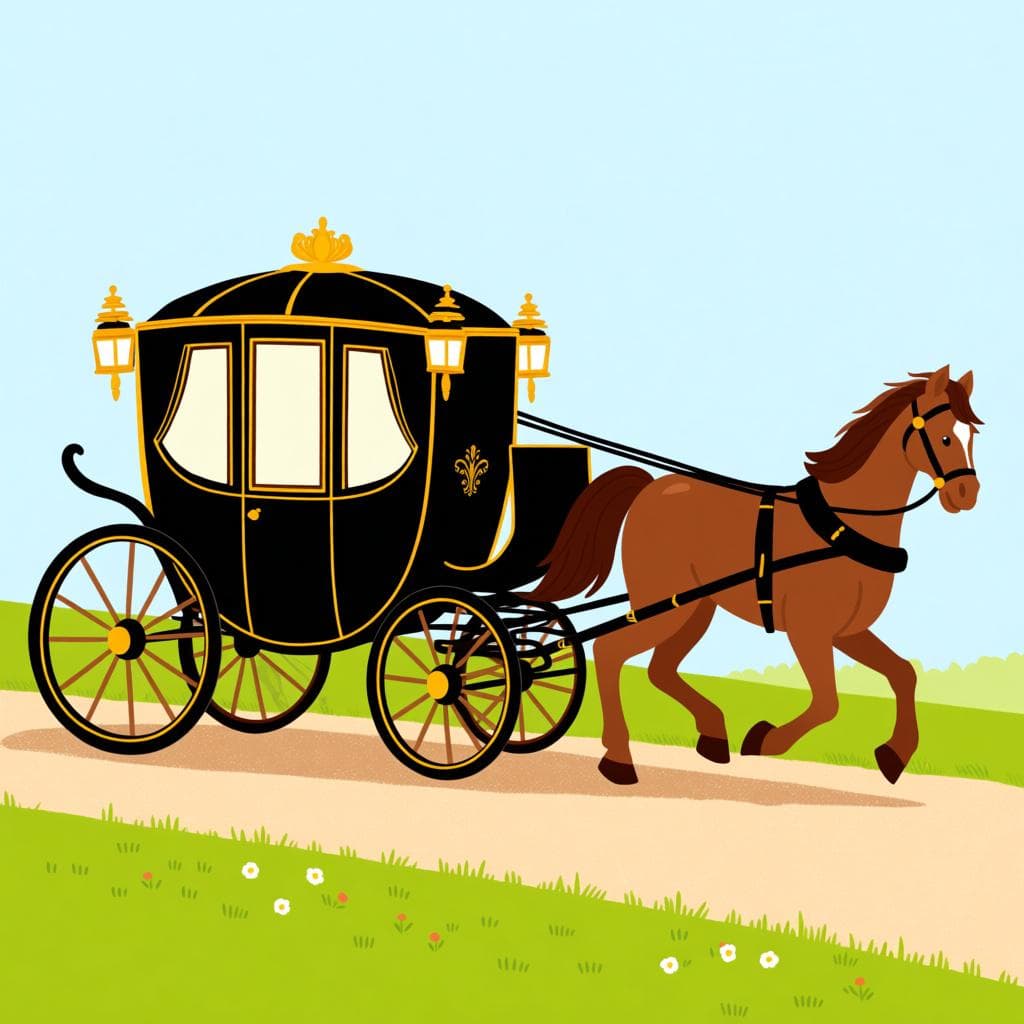
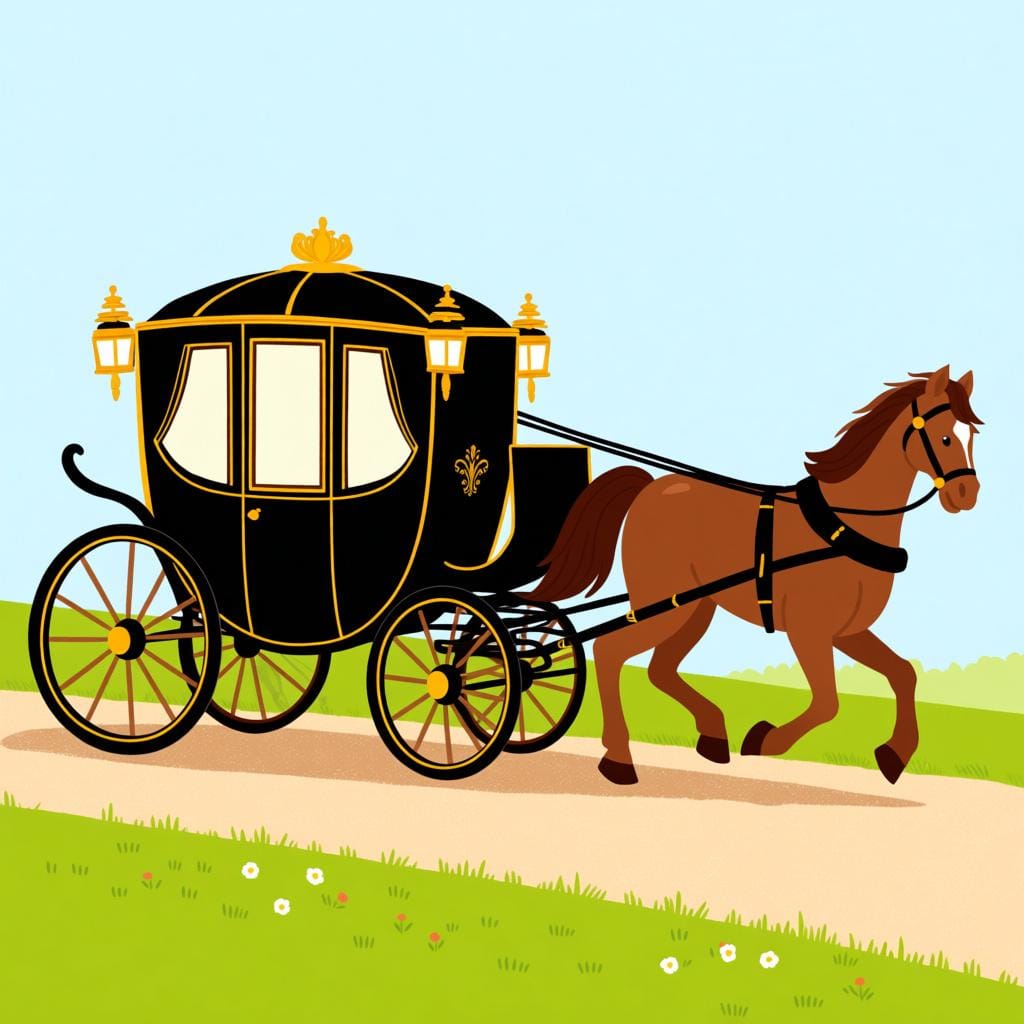
La reina llegó en un coche tirado por caballos.
The queen arrived in a horse-drawn carriage.
Este tren tiene ocho coches de pasajeros.
This train has eight passenger coaches (or cars).
El bebé duerme en su coche.
The baby is sleeping in his carriage (stroller).
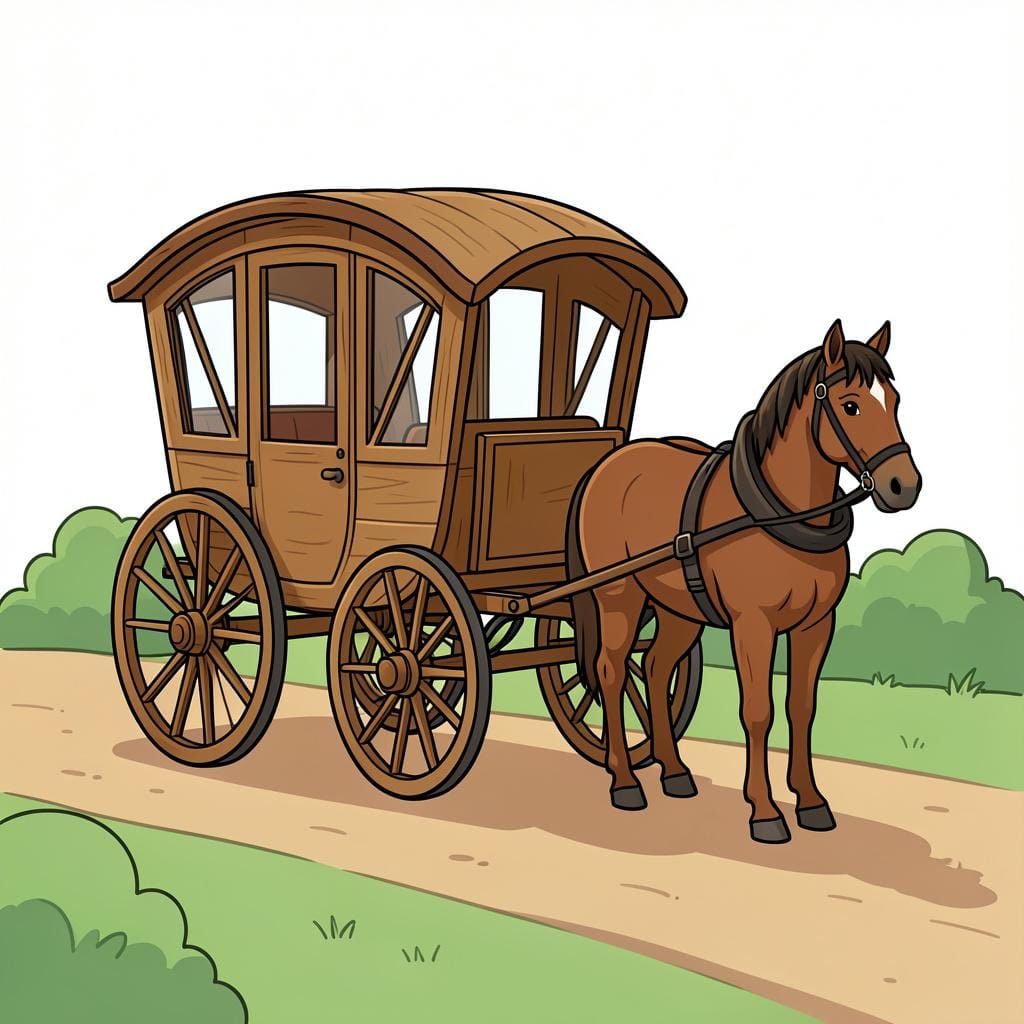
carruaje
ka-rrwa-hehka'rwaxe
Examples
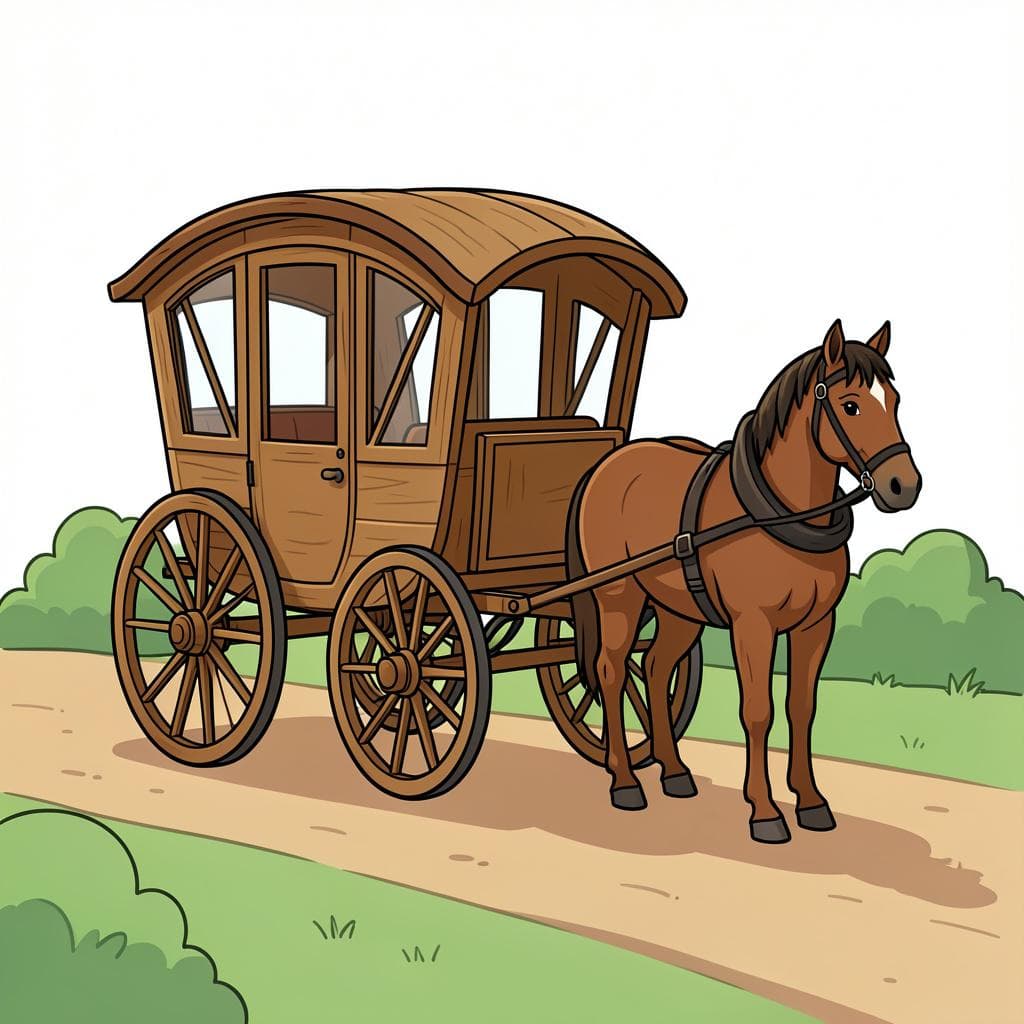
Cenicienta fue al baile en un carruaje que antes era una calabaza.
Cinderella went to the ball in a carriage that was previously a pumpkin.
El museo tiene una colección impresionante de carruajes antiguos.
The museum has an impressive collection of old carriages.
Los novios salieron de la iglesia en un carruaje tirado por caballos blancos.
The bride and groom left the church in a carriage pulled by white horses.
The '-aje' Gender Rule
Words ending in '-aje' in Spanish are almost always masculine. This means you should use 'el' or 'un' with them (el carruaje, el viaje, el equipaje).
Carruaje vs. Carro
Mistake: “Using 'carruaje' to talk about a modern car.”
Correction: Use 'coche' or 'carro' for modern cars. 'Carruaje' is specifically for historical or horse-drawn vehicles.
Vehicle vs. Person Confusion
Related Translations
Learn Spanish with Inklingo
Interactive stories, personalized learning, and more.