How to Say "trainer" in Spanish
The most common Spanish word for “trainer” is “entrenador” — use this word for a person who guides physical performance, like a sports coach, or for someone who provides professional, technical, or self-improvement guidance.
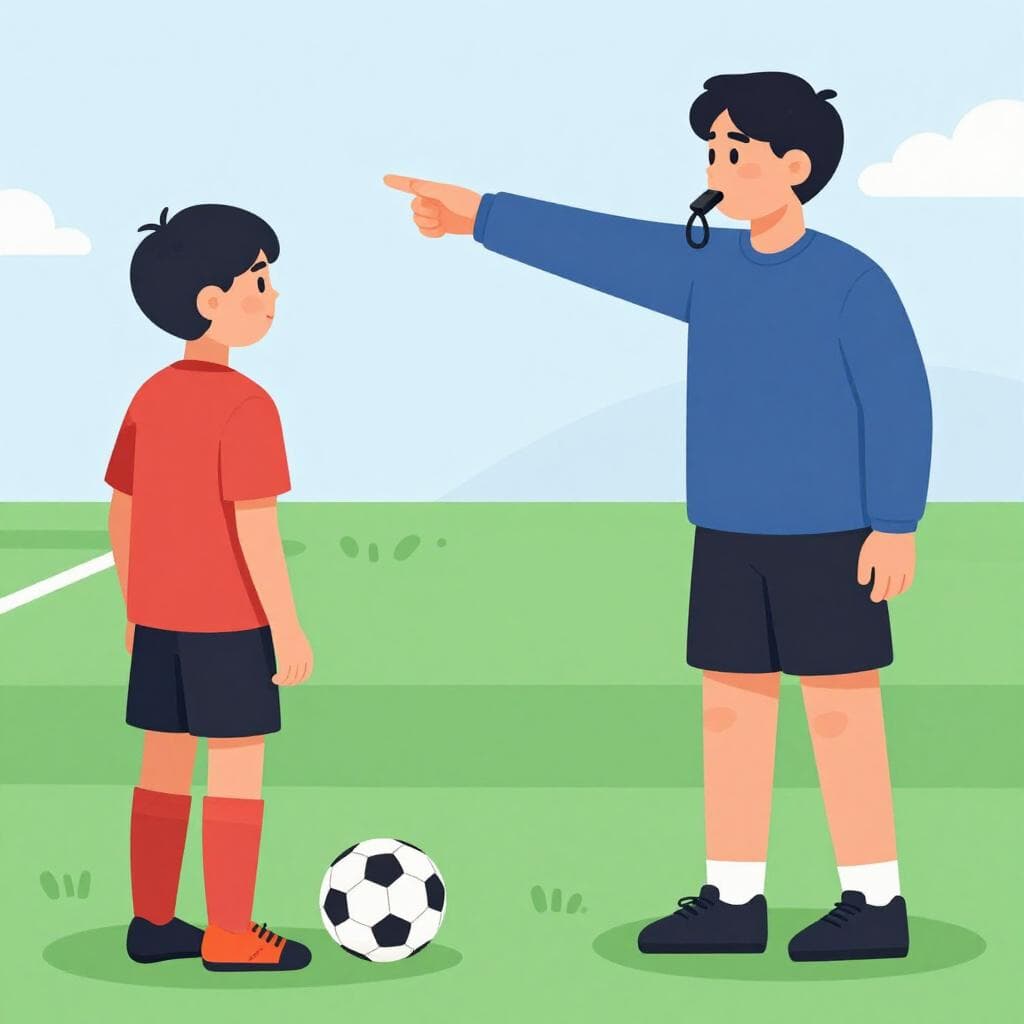


entrenador
en-treh-nah-DORentɾenaˈðoɾ

Examples
El entrenador personal me ayudó a alcanzar mis metas de fitness.
The personal trainer helped me reach my fitness goals.
El entrenador les dijo a los jugadores que corrieran más rápido.
The coach told the players to run faster.
Mi entrenador de natación es muy estricto, pero es el mejor.
My swimming coach is very strict, but he is the best.
Mi entrenador de negocios me enseñó a negociar mejor los contratos.
My business coach taught me how to negotiate contracts better.
Gender Change
To refer to a female coach, you simply change the ending: 'la entrenadora'. The root of the word stays the same.
Compound Nouns
When 'entrenador' is combined with another noun (like 'negocios' or 'perros'), it specifies the kind of training the person provides.
Confusing the Person and the Place
Mistake: “Voy al entrenador.”
Correction: Voy al entrenamiento. ('Entrenador' is the person; 'entrenamiento' is the practice session or training itself.)
instructor
een-strook-TOHRinstɾukˈtoɾ

Examples
La instructora de yoga es muy experta.
The yoga instructor is very experienced.
Mi instructor de manejo es muy paciente.
My driving instructor is very patient.
El instructor de buceo nos enseñó a respirar bajo el agua.
The diving instructor taught us how to breathe underwater.
Para ser un instructor certificado, necesitas completar este curso.
To be a certified instructor, you need to complete this course.
Adding the female version
For words ending in '-or' like this one, you just add an 'a' at the end to make it feminine: 'la instructora'.
Linking skills with 'de'
When you want to say what someone is an instructor of, always use the word 'de' followed by the skill (e.g., 'instructor de esquí').
Teacher vs. Instructor
Mistake: “Using 'profesor' for a gym trainer.”
Correction: Use 'instructor' or 'entrenador' for physical skills or specific practical tasks; 'profesor' is usually for school subjects like math or history.
zapatilla
sah-pah-tee-yahsapaˈtiʝa

Examples
Me compré unas zapatillas nuevas para correr.
I bought myself some new trainers for running.
Necesito unas zapatillas nuevas para ir al gimnasio.
I need some new sneakers to go to the gym.
Llevo zapatillas porque vamos a caminar mucho hoy.
I'm wearing trainers because we are going to walk a lot today.
En España, es muy común llevar zapatillas con vaqueros.
In Spain, it's very common to wear sneakers with jeans.
Describing Purpose
To specify what kind of sneaker it is, use 'de' followed by the activity, like 'zapatillas de baloncesto' (basketball sneakers).
Don't use for dress shoes
Mistake: “Me puse zapatillas con mi traje.”
Correction: Me puse zapatos con mi traje. 'Zapatillas' are for sports or leisure; 'zapatos' is the general word for shoes, especially formal ones.
Person vs. Shoe
Related Translations
Learn Spanish with Inklingo
Interactive stories, personalized learning, and more.