How to Say "baby carriage" in Spanish
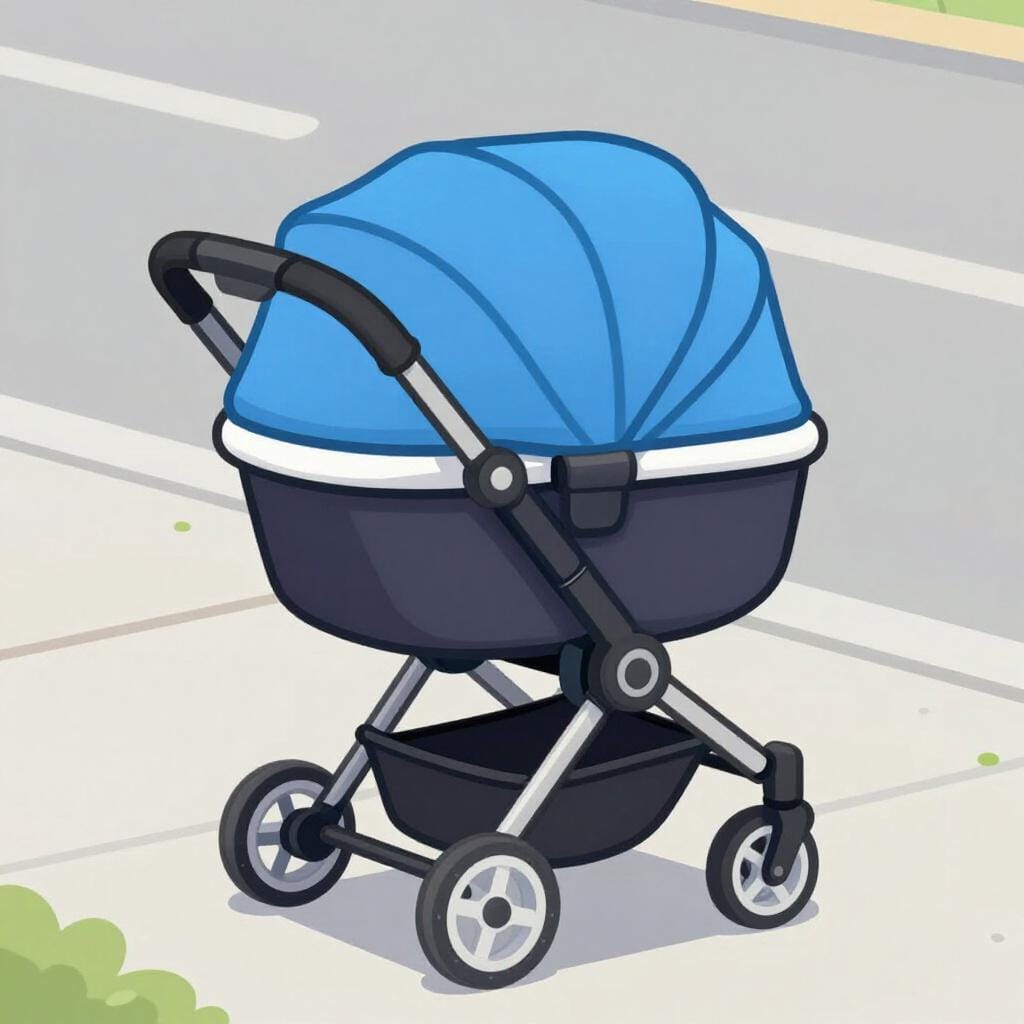
The most common Spanish word for “baby carriage” is “carrito” — use 'carrito' for a general-purpose stroller or pushchair for babies and toddlers, which is the most common translation.

Use 'carrito' for a general-purpose stroller or pushchair for babies and toddlers, which is the most common translation.
Learn more →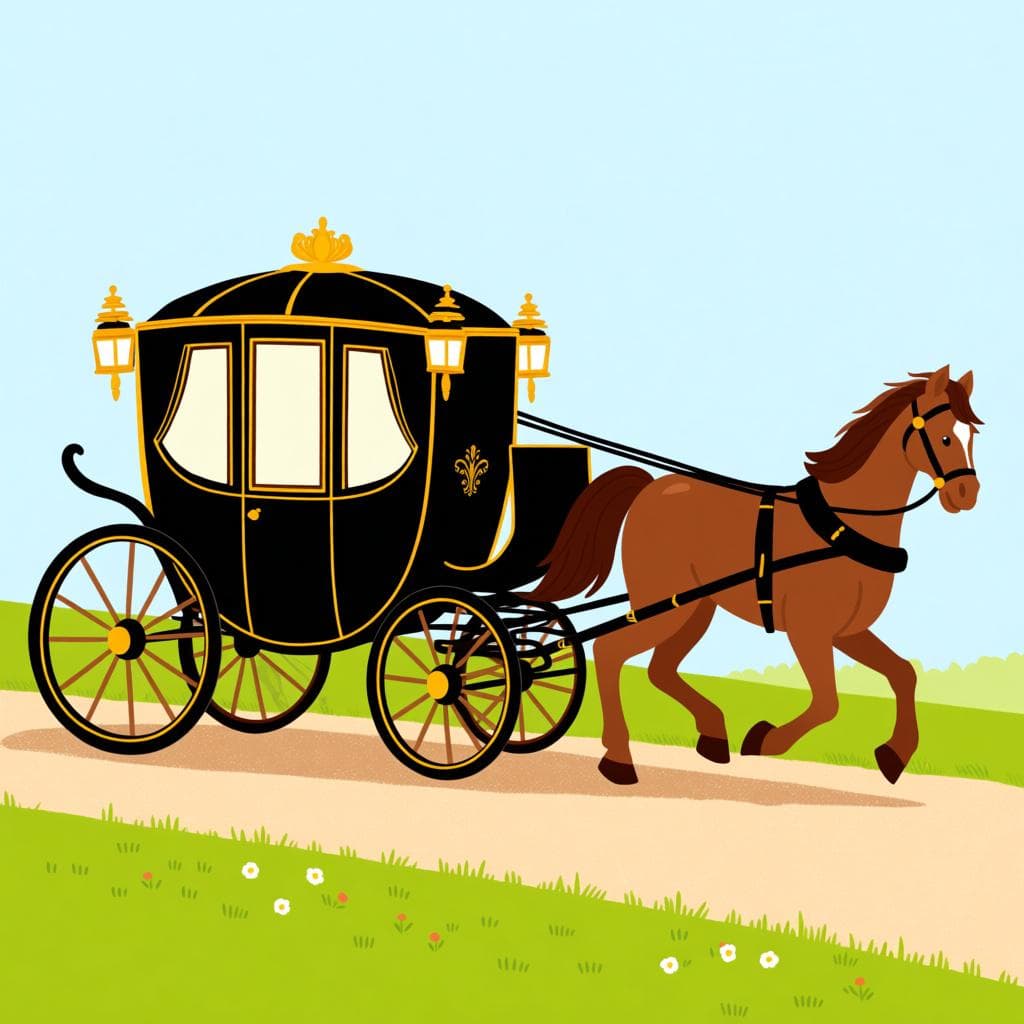
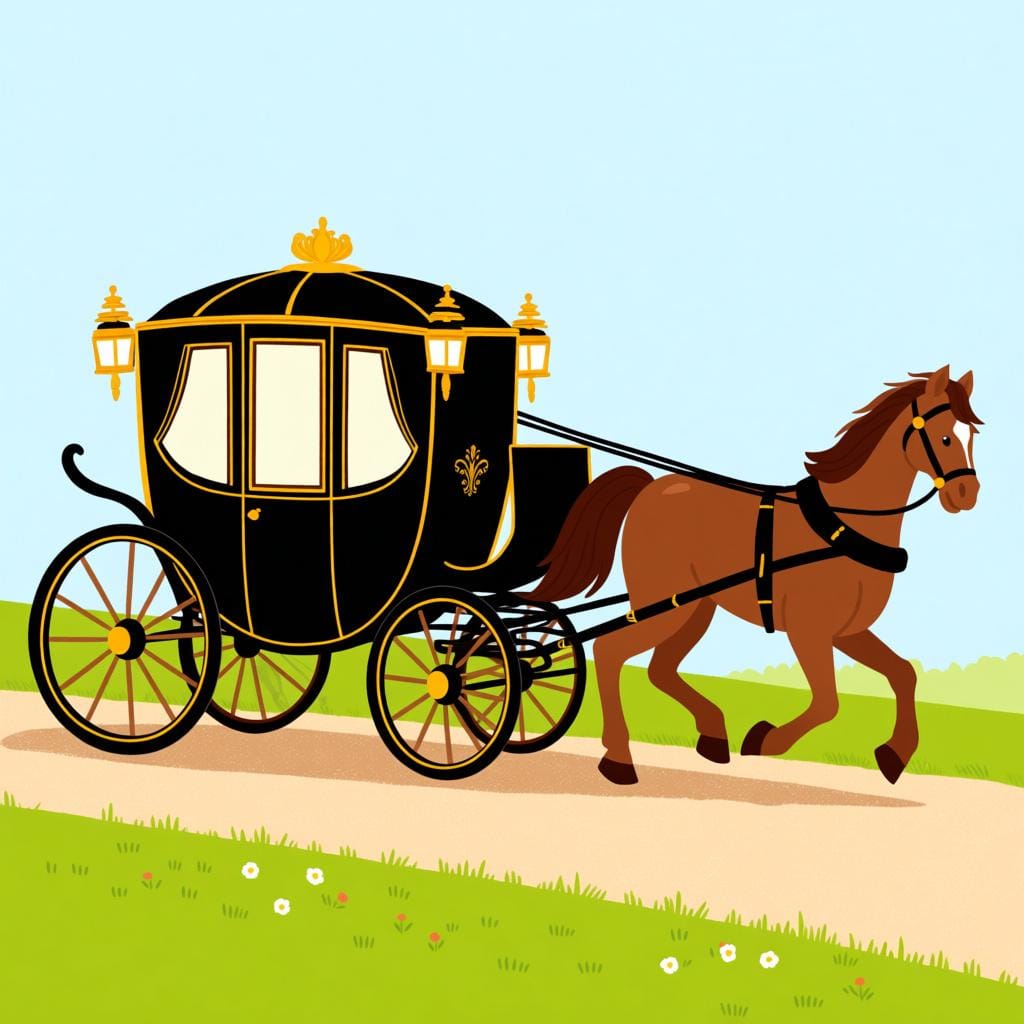
Use 'coche' specifically when referring to a 'coche de niño' (child's carriage) or in historical contexts referring to a larger, often horse-drawn, carriage.
Learn more →kah-RREE-tohkaˈrito
Examples
El bebé se quedó dormido en su carrito.
The baby fell asleep in his stroller.
Compramos unos tacos en el carrito de la esquina.
We bought some tacos at the food cart on the corner.
Es difícil subir el carrito por las escaleras.
It is difficult to bring the stroller up the stairs.
Context is Key
Whether 'carrito' means a stroller or a food cart depends entirely on where you are. If you are in a park with a baby, it's a stroller. If you are hungry on a sidewalk, it's a food cart!
KO-chehˈko.t͡ʃe
Examples
La reina llegó en un coche tirado por caballos.
The queen arrived in a horse-drawn carriage.
Este tren tiene ocho coches de pasajeros.
This train has eight passenger coaches (or cars).
El bebé duerme en su coche.
The baby is sleeping in his carriage (stroller).
Choosing between 'carrito' and 'coche'
The most common mistake is using 'coche' for everyday strollers. While 'coche' can mean stroller, it often refers to a car, and when used for a baby carriage, it might sound archaic or imply a more formal or historical type of vehicle. Stick to 'carrito' for modern pushchairs.
Related Translations
Learn Spanish with Inklingo
Interactive stories, personalized learning, and more.