acarrear
“acarrear” means “to cause” in Spanish. It has 2 different meanings depending on context:

to causeAlso: to lead to, to entail

📝 In Action
Fumar puede acarrear graves problemas de salud.
B1Smoking can cause serious health problems.
Esta decisión va a acarrear muchos gastos extras.
B2This decision is going to lead to many extra expenses.
Mentir siempre acarrea consecuencias negativas.
B1Lying always entails negative consequences.
Word Connections
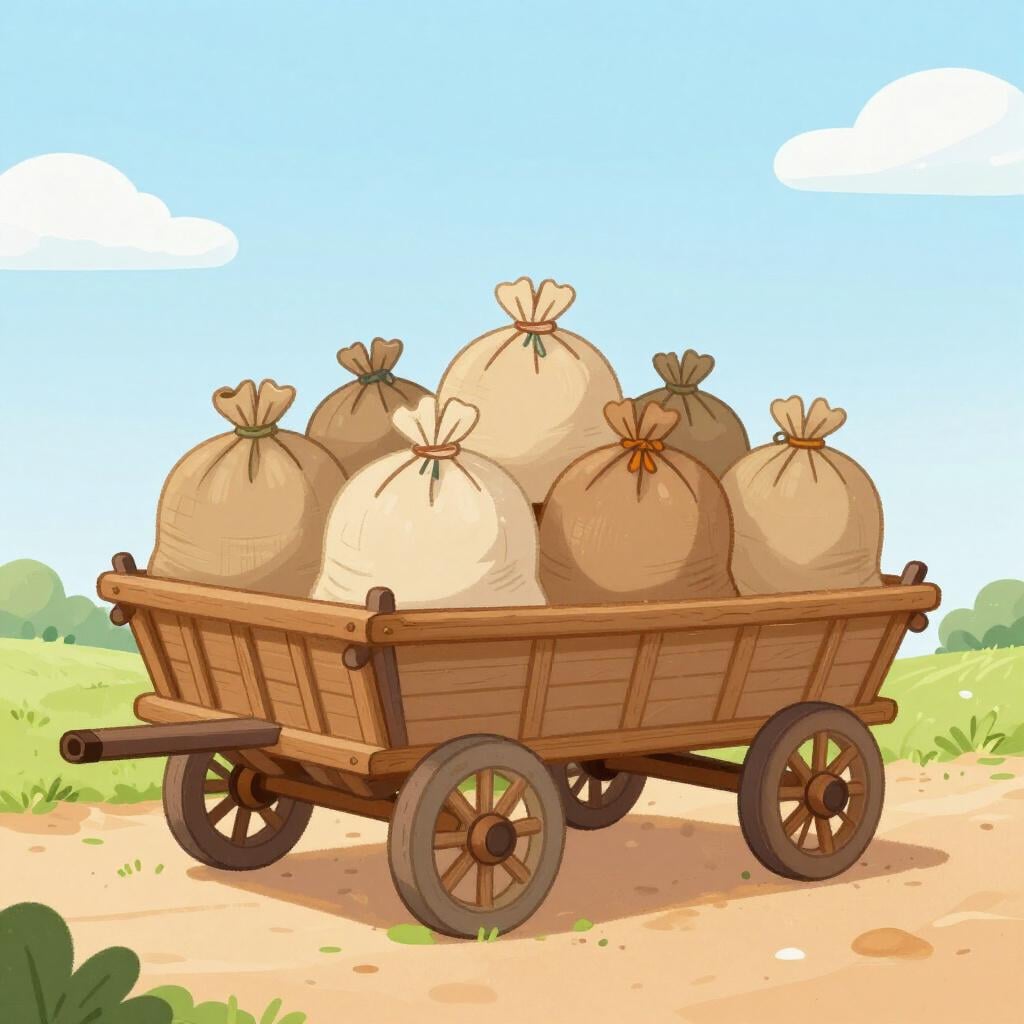
to haulAlso: to transport, to carry
📝 In Action
Los camiones pasan el día acarreando arena a la obra.
B2The trucks spend the day hauling sand to the construction site.
Antiguamente, tenían que acarrear el agua desde el pozo.
B2In the old days, they had to haul the water from the well.
Necesitamos a alguien para acarrear estos bultos.
B1We need someone to carry these bundles.
Word Connections
Subjunctive
Imperfect Subjunctive
Present Subjunctive
Indicative
Preterite
Imperfect
Present
Translate to Spanish
Words that translate to "acarrear" in Spanish:
✏️ Quick Practice
Quick Quiz: acarrear
Question 1 of 3
Which of these is a typical object for 'acarrear' in its figurative sense?
📚 More Resources
👥 Word Family
📚 Etymology
From the Spanish word 'carro' (cart/carriage), originally from Latin 'carrus.' It suggests the action of moving things in a cart.
First recorded: 13th century
Cognates (Related words)
💡 Master Spanish
Take your Spanish to the next level. Read 200+ illustrated and narrated Spanish stories tailored to your level with the Inklingo app!
Frequently Asked Questions
Is 'acarrear' the same as 'llevar'?
They both mean 'to carry,' but 'acarrear' implies a heavy load, multiple trips, or resulting in negative consequences. 'Llevar' is much more general.
Can I 'acarrear' a person?
Usually, no. It is for materials or abstract consequences. If you carry a person, use 'llevar' or 'cargar'.
Is 'acarrear' common in daily conversation?
Its literal meaning (hauling) is common in rural/industrial areas. Its figurative meaning (causing problems) is common in news, health advice, and formal discussions.