How to Say "to transport" in Spanish
The most common Spanish word for “to transport” is “transportar” — use 'transportar' for the general act of moving goods or people from one location to another, or for the figurative sense of being mentally or emotionally moved to a different time or place.
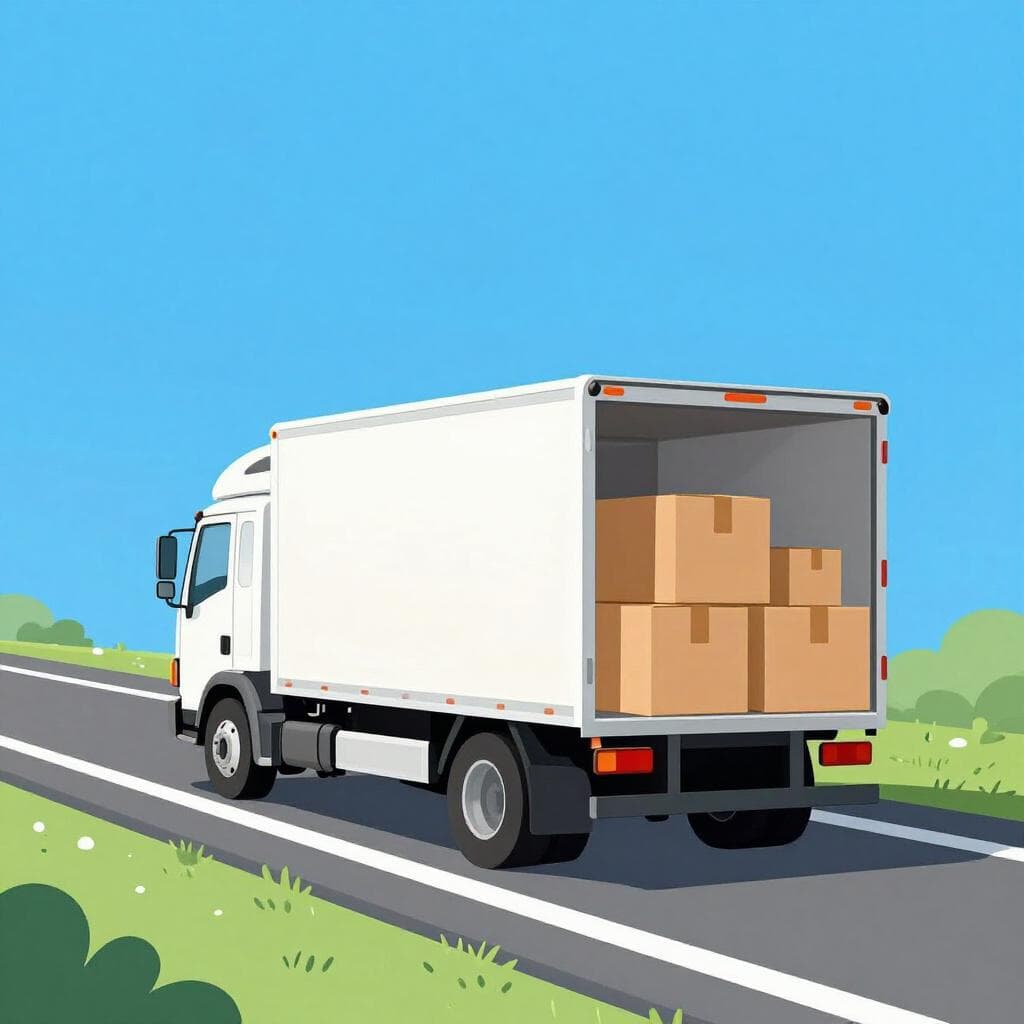
Use 'transportar' for the general act of moving goods or people from one location to another, or for the figurative sense of being mentally or emotionally moved to a different time or place.
Learn more →
Use 'acarrear' specifically when talking about hauling or carrying materials, often in bulk, using vehicles like carts or trucks.
Learn more →trahns-por-TARtɾansporˈtar

Examples
El tren transporta pasajeros a través del país.
The train transports passengers across the country.
El camión transporta la fruta al mercado cada mañana.
The truck transports the fruit to the market every morning.
Necesitamos un barco más grande para transportar todos estos contenedores.
We need a bigger ship to transport all these containers.
Es difícil transportar a tanta gente en un solo autobús.
It is difficult to transport so many people in a single bus.
Adding 'A' for People
When you are transporting people (the ones receiving the action), you must put 'a' before them. Example: 'Transportar a los niños'.
Using it with Vehicles
Use the word 'en' to say what you are using to transport something. Example: 'Transportar en tren'.
Using 'a' for Destinations
Even in figurative language, use 'a' to show where your mind or heart is being taken. 'Me transporta a otro mundo'.
Using 'Mover' incorrectly
Mistake: “Mover los productos a la tienda.”
Correction: Transportar los productos a la tienda.
ah-kah-rreh-ahraka.reˈaɾ

Examples
Los obreros acarrean los materiales pesados a la obra.
The workers haul the heavy materials to the construction site.
Los camiones pasan el día acarreando arena a la obra.
The trucks spend the day hauling sand to the construction site.
Antiguamente, tenían que acarrear el agua desde el pozo.
In the old days, they had to haul the water from the well.
Necesitamos a alguien para acarrear estos bultos.
We need someone to carry these bundles.
Connection to 'Carro'
The word comes from 'carro' (cart), so it literally describes moving something using a vehicle or a heavy-duty method.
Hauling vs. Carrying by hand
Mistake: “Acarreé mi teléfono a la cocina.”
Correction: Llevé mi teléfono. Use 'acarrear' for bulky, heavy items or large quantities.
General vs. Specific Transport
Learners often overuse 'acarrear' when 'transportar' is more appropriate for general movement. Remember that 'acarrear' implies a more specific action of hauling materials, while 'transportar' is the broader term for moving anything or anyone.
Related Translations
Learn Spanish with Inklingo
Interactive stories, personalized learning, and more.