How to Say "to carry" in Spanish
The most common Spanish word for “to carry” is “llevar” — use 'llevar' when you are personally transporting an object, typically by hand or on your person.

Use 'llevar' when you are personally transporting an object, typically by hand or on your person.
Learn more →
Use 'cargar' when you are loading something onto another object, like a vehicle, or when you are carrying a heavy burden.
Learn more →
Use 'traer' when bringing a person or object *to* the speaker or a specified location.
Learn more →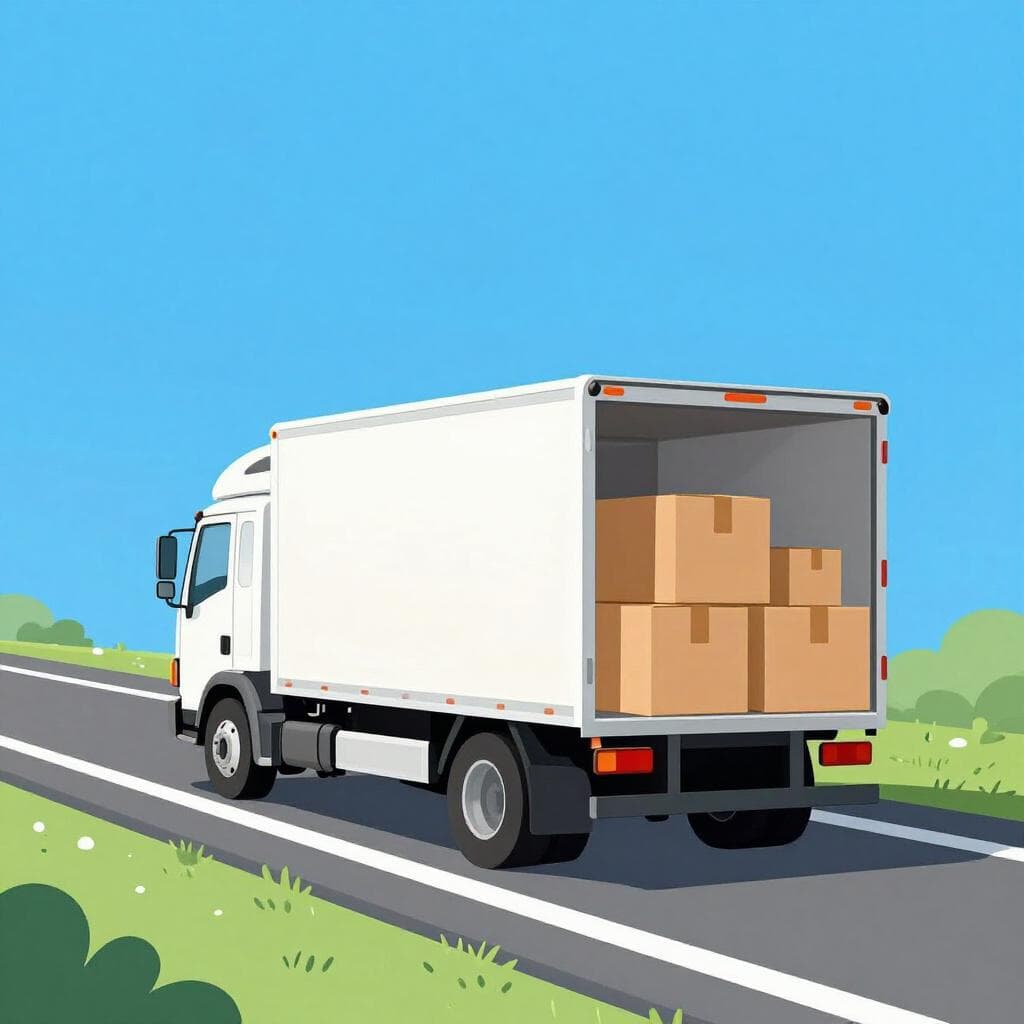
Use 'transportar' when referring to the movement of goods or people, usually by a vehicle, system, or company.
Learn more →
Use 'acarrear' for the act of hauling or moving large quantities of materials, often implying a continuous or laborious process.
Learn more →
Use 'portar' specifically when carrying official items like identification, documents, weapons, or symbols, often implying authorization.
Learn more →yeh-VARʝeˈβaɾ

Examples
Siempre llevo un paraguas en mi mochila.
I always carry an umbrella in my backpack.
¿Puedes llevar estos platos a la cocina, por favor?
Can you take these plates to the kitchen, please?
El cartero lleva un paquete para ti.
The mailman is carrying a package for you.
Llevar vs. Traer: The Classic Mix-up
Llevar means to take something away from where you are, like taking a gift to a party. Traer means to bring something to where you are, like bringing a dish to your own home for dinner. Think: 'llevar leaves, traer comes here'.
Using 'Llevar' for 'To Bring'
Mistake: “Voy a llevar la pizza a tu casa. (Said while you are already at the friend's house)”
Correction: Voy a traer la pizza a tu casa. (If someone is bringing it to your current location). Use 'llevar' only when you are taking something somewhere else.
kar-GARkaɾˈɣaɾ

Examples
Tengo que cargar estas cajas pesadas al camión.
I have to load these heavy boxes onto the truck.
Ella siempre carga con la responsabilidad de la casa.
She always bears the responsibility for the house.
El bebé quiere que su mamá lo cargue en brazos.
The baby wants his mother to carry him in her arms.
Spelling Change for Sound
In the simple past (preterite) 'yo' form and all forms of the present subjunctive, the 'g' changes to 'gu' (e.g., 'yo cargué', 'que yo cargue'). This is just to keep the hard 'g' sound consistent, otherwise it would sound like an 'h' (like 'car-HEH').
trah-ertɾaˈeɾ

Examples
¿Puedes traer la comida de la cocina?
Can you bring the food from the kitchen?
Siempre traigo mi libro favorito conmigo.
I always carry my favorite book with me.
Mi tío nos trajo un regalo de su viaje.
My uncle brought us a gift from his trip.
Irregular 'Yo' Form
The 'yo' form in the present tense is highly irregular: it is 'traigo,' not 'trao'. This is a common pattern for verbs ending in -aer, -eer, -uir.
Difference between Traer and Llevar
Use 'traer' when the movement is TOWARDS the place where you or the listener are (like 'come here with it'). Use 'llevar' when the movement is AWAY from you (like 'take it over there').
Confusing Preterite Forms
Mistake: “Yo traí por Yo traje”
Correction: The simple past (preterite) is 'traje' (I brought), which uses the irregular root 'traj-'. Remember this strong 'j' sound.
trahns-por-TARtɾansporˈtar

Examples
El camión transporta la fruta al mercado cada mañana.
The truck transports the fruit to the market every morning.
Necesitamos un barco más grande para transportar todos estos contenedores.
We need a bigger ship to transport all these containers.
Es difícil transportar a tanta gente en un solo autobús.
It is difficult to transport so many people in a single bus.
Adding 'A' for People
When you are transporting people (the ones receiving the action), you must put 'a' before them. Example: 'Transportar a los niños'.
Using it with Vehicles
Use the word 'en' to say what you are using to transport something. Example: 'Transportar en tren'.
Using 'Mover' incorrectly
Mistake: “Mover los productos a la tienda.”
Correction: Transportar los productos a la tienda.
ah-kah-rreh-ahraka.reˈaɾ

Examples
Los camiones pasan el día acarreando arena a la obra.
The trucks spend the day hauling sand to the construction site.
Antiguamente, tenían que acarrear el agua desde el pozo.
In the old days, they had to haul the water from the well.
Necesitamos a alguien para acarrear estos bultos.
We need someone to carry these bundles.
Connection to 'Carro'
The word comes from 'carro' (cart), so it literally describes moving something using a vehicle or a heavy-duty method.
Hauling vs. Carrying by hand
Mistake: “Acarreé mi teléfono a la cocina.”
Correction: Llevé mi teléfono. Use 'acarrear' for bulky, heavy items or large quantities.
por-TARpoɾˈtaɾ

Examples
Es obligatorio portar el carné de identidad.
It is mandatory to carry your ID card.
El sospechoso portaba un arma de fuego.
The suspect was carrying a firearm.
Los diplomáticos portaban sus mejores galas.
The diplomats were wearing their finest clothes.
Portar vs. Llevar
'Llevar' is the everyday word for carrying. 'Portar' is formal and usually refers to items that signify authority or legal status (like a badge or a gun).
Using it for Groceries
Mistake: “Porto las bolsas del súper.”
Correction: Llevo las bolsas del súper. 'Portar' is too stiff and formal for shopping bags.
Llevar vs. Cargar vs. Transportar
Learners often confuse 'llevar' (personal carrying), 'cargar' (loading or bearing a heavy load), and 'transportar' (movement by vehicle/system). Remember: 'llevar' is usually by hand, 'cargar' is about the act of loading or the weight, and 'transportar' implies a more organized, often mechanical, movement of goods.
Related Translations
Learn Spanish with Inklingo
Interactive stories, personalized learning, and more.