How to Say "to bear" in Spanish
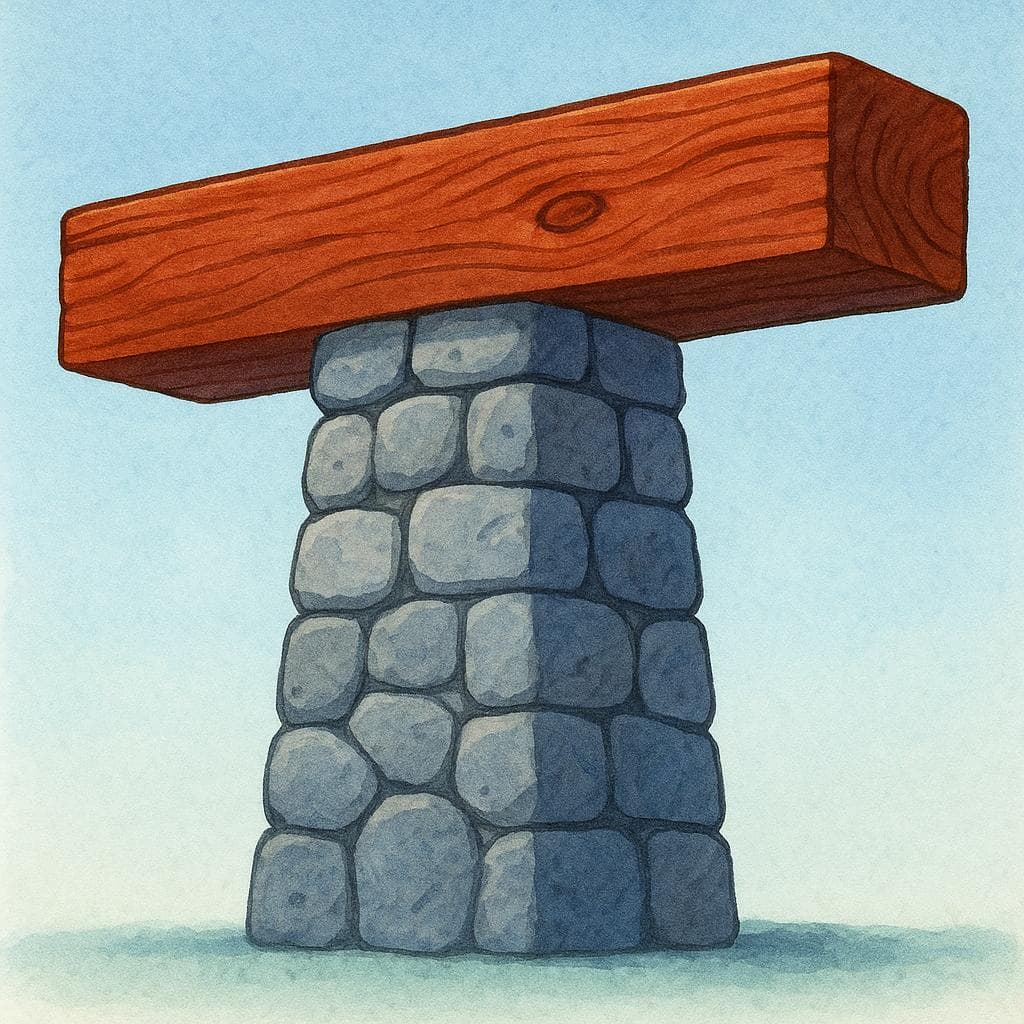
The most common Spanish word for “to bear” is “cargar” — use 'cargar' when you are physically carrying a load or taking on a burden/responsibility.



cargar
kar-GARkaɾˈɣaɾ

Examples
Tengo que cargar estas cajas pesadas al camión.
I have to load these heavy boxes onto the truck.
Ella siempre carga con la responsabilidad de la casa.
She always bears the responsibility for the house.
El bebé quiere que su mamá lo cargue en brazos.
The baby wants his mother to carry him in her arms.
Spelling Change for Sound
In the simple past (preterite) 'yo' form and all forms of the present subjunctive, the 'g' changes to 'gu' (e.g., 'yo cargué', 'que yo cargue'). This is just to keep the hard 'g' sound consistent, otherwise it would sound like an 'h' (like 'car-HEH').
soportar
soh-por-TARso.porˈtaɾ

Examples
Esta viga de metal soporta el peso de todo el segundo piso.
This metal beam supports the weight of the entire second floor.
Los cimientos no pueden soportar más carga.
The foundations cannot bear any more load.
La mesa soporta hasta 100 kilos.
The table holds up to 100 kilos.
Transitive Verb
In this meaning, 'soportar' always needs a direct object (the weight or structure being held up). The sentence structure is: [Subject] soporta [Direct Object].
resistir
reh-sees-TEERresiˈstiɾ

Examples
No pude resistir la tentación de comer el pastel.
I couldn't resist the temptation to eat the cake.
Ella resistió la presión del trabajo hasta el final del día.
She withstood the pressure of work until the end of the day.
Resistimos el frío con mantas y chocolate caliente.
We endured the cold with blankets and hot chocolate.
Direct Action
Unlike English, 'resistir' usually takes its object directly, without needing a preposition like 'to' or 'against'. (e.g., 'Resistir la tentación' not 'resistir a la tentación').
Mixing with 'Support'
Mistake: “Usar 'resistir' cuando se quiere decir 'apoyar' o 'soportar' (in the sense of supporting a structure).”
Correction: Use 'soportar' or 'aguantar' when referring to a physical object holding weight. 'Resistir' is usually about opposition or enduring difficulty.
sostener
soh-steh-NEHRsosteˈneɾ
Examples
La mesa es muy pesada, pero la sostengo sin problema.
The table is very heavy, but I am holding it up without a problem.
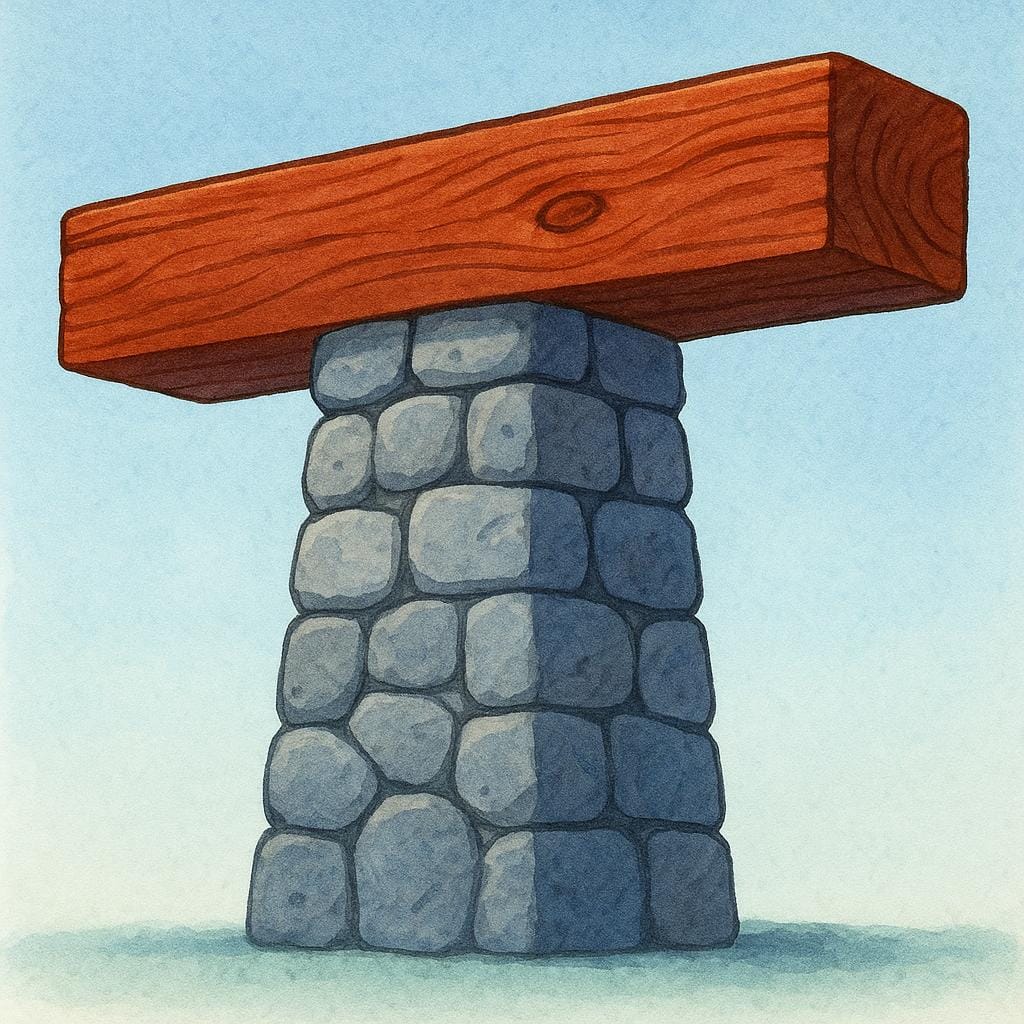
Necesitamos más columnas para sostener el techo del garaje.
We need more columns to support the garage roof.
Mi trabajo sostiene a toda mi familia.
My job supports my whole family (financially).
Irregular 'Yo' Form
Like its root verb 'tener', the 'yo' form in the present tense is irregular: 'yo sostengo'. This 'g' carries over into the present subjunctive.
Confusing 'sostener' and 'tener'
Mistake: “Using 'tener' when you mean 'to hold up' or 'to support'.”
Correction: 'Tener' usually means 'to have' or 'to hold in your hand'. 'Sostener' specifically means 'to bear weight' or 'to keep something from falling'.
Cargar vs. Soportar
Related Translations
Learn Spanish with Inklingo
Interactive stories, personalized learning, and more.