How to Say "to endure" in Spanish
The most common Spanish word for “to endure” is “aguantar” — use 'aguantar' to mean 'to put up with' or 'to tolerate' something unpleasant or difficult, often implying a limit to your patience.
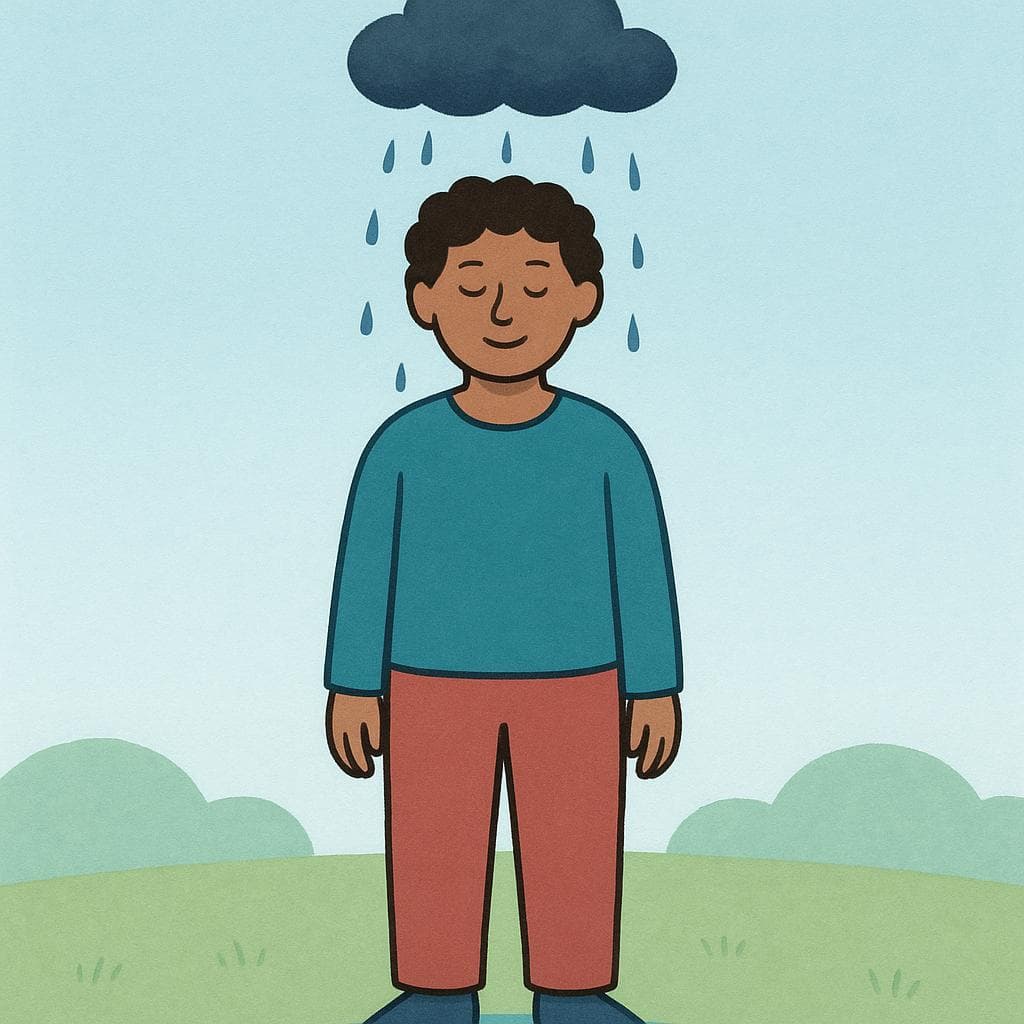
Use 'aguantar' to mean 'to put up with' or 'to tolerate' something unpleasant or difficult, often implying a limit to your patience.
Learn more →
Use 'soportar' to express bearing a difficult situation, pain, or discomfort, similar to 'to bear' or 'to withstand'.
Learn more →
Use 'durar' when talking about how long something lasts, especially in terms of wear and tear or its lifespan.
Learn more →
Use 'resistir' when something or someone holds out against pressure, temptation, or hardship.
Learn more →
Use 'padecer' to describe suffering from a chronic condition, illness, or a prolonged difficult situation.
Learn more →
Use 'permanecer' to indicate that something stays in the same place or condition over time, often implying continuity.
Learn more →
Use 'perdurar' to describe something that continues to exist or last for a very long time, often surviving through time.
Learn more →
Use 'tolerar' when your body or system resists a physical condition or substance, implying a limit to what it can handle.
Learn more →a-gwan-TARa.ɣwanˈtaɾ
Examples
No aguanto el ruido de mis vecinos por la noche.
I can't stand the noise from my neighbors at night.
Ella aguantó la presión del examen final con mucha calma.
She endured the pressure of the final exam very calmly.
¿Puedes aguantar hasta que lleguemos al restaurante?
Can you hold on (or endure) until we get to the restaurant?
Direct Object Needed
When using 'aguantar' to mean 'tolerate,' you usually need to say what you are tolerating immediately afterward (e.g., 'Aguanto el calor'—I tolerate the heat).
Confusing with 'Esperar'
Mistake: “Using 'aguantar' when you simply mean 'to wait' for a specific time or event ('Aguanto el bus').”
Correction: Use 'esperar' for waiting ('Espero el bus'). Use 'aguantar' when the waiting involves endurance or difficulty.
soh-por-TARso.porˈtaɾ

Examples
No soporto el calor de esta ciudad en verano.
I can't stand the heat of this city in the summer.
Ella soporta las críticas con mucha paciencia.
She endures the criticism with a lot of patience.
¿Puedes soportar a tu jefe por ocho horas al día?
Can you put up with your boss for eight hours a day?
Direct Object
The thing or person you are tolerating always receives the action directly, without needing a preposition like 'a' unless referring to a specific person.
Confusing 'soportar' with 'apoyar'
Mistake: “Using 'soportar' when you mean 'to support/encourage' someone emotionally.”
Correction: Use 'apoyar' or 'dar apoyo' for emotional encouragement. 'Soportar' means enduring something annoying. Example: Use 'Apoyo a mi amigo' (I support my friend), not 'Soporto a mi amigo'.
doo-RAHRduˈɾaɾ

Examples
Este tipo de batería dura más que el modelo anterior.
This type of battery lasts longer than the previous model.
Queremos comprar muebles que duren.
We want to buy furniture that holds up (lasts).
No creo que mi viejo coche dure otro invierno.
I don't think my old car will survive another winter.
Use with Negatives
When you say something won't last or don't think it will last, Spanish often uses the special form (subjunctive) in the second part of the sentence: 'No creo que dure' (I don't believe it will last).
reh-sees-TEERresiˈstiɾ

Examples
No pude resistir la tentación de comer el pastel.
I couldn't resist the temptation to eat the cake.
Ella resistió la presión del trabajo hasta el final del día.
She withstood the pressure of work until the end of the day.
Resistimos el frío con mantas y chocolate caliente.
We endured the cold with blankets and hot chocolate.
Direct Action
Unlike English, 'resistir' usually takes its object directly, without needing a preposition like 'to' or 'against'. (e.g., 'Resistir la tentación' not 'resistir a la tentación').
Mixing with 'Support'
Mistake: “Usar 'resistir' cuando se quiere decir 'apoyar' o 'soportar' (in the sense of supporting a structure).”
Correction: Use 'soportar' or 'aguantar' when referring to a physical object holding weight. 'Resistir' is usually about opposition or enduring difficulty.
pah-deh-SEHRpaðeˈseɾ

Examples
Él padece de una enfermedad del corazón desde niño.
He has suffered from a heart condition since he was a child.
Padezco de insomnio cuando tengo mucho estrés.
I suffer from insomnia when I have a lot of stress.
No quiero que padescas más por su culpa.
I don't want you to suffer anymore because of him.
The 'I' spelling change
When talking about yourself in the present ('I' form), the 'c' changes to 'zc' (padezco). This also happens in all the special forms used for wishes and commands.
Using 'de' for illnesses
When you want to say you suffer FROM a specific disease, you usually add the word 'de' after the verb, as in 'Padezco de migraña'.
Forgetting the 'z'
Mistake: “Yo padeco mucho.”
Correction: Yo padezco mucho. You need to add the 'z' before the 'c' to keep the word sounding smooth when it ends in 'o'.
pehr-mah-neh-SEHRpeɾ.ma.neˈseɾ

Examples
A pesar de todo, la esperanza permanece en nuestros corazones.
Despite everything, hope remains in our hearts.
La ley permanecerá vigente hasta el próximo año.
The law will remain in effect until next year.
Es importante que permanezcamos unidos durante la crisis.
It is important that we remain united during the crisis.
Subjunctive for Wishes/Commands
When you use 'permanecer' after expressions of need, desire, or importance (like 'Es importante que...'), you must use the special verb form (permanezca/permanezcamos).
Using Ser/Estar Instead
Mistake: “La situación está estable.”
Correction: La situación permanece estable. (Using 'permanecer' emphasizes the *action* of staying stable, rather than just describing the current state.)
per-doo-RARpeɾðuˈɾaɾ

Examples
Su legado perdurará por muchas generaciones.
His legacy will endure for many generations.
Algunas tradiciones rurales aún perduran en esta región.
Some rural traditions still persist in this region.
Espero que nuestra amistad perdure a pesar de la distancia.
I hope our friendship lasts despite the distance.
A regular verb
This verb follows the standard pattern for verbs ending in -ar. If you know how to conjugate 'hablar,' you can conjugate 'perdurar' exactly the same way.
Use with 'en'
To say where or how something lasts, we usually use the word 'en'. For example, 'perdurar en el recuerdo' (to live on in memory).
Don't confuse with 'perder'
Mistake: “Su legado perderá por siempre.”
Correction: Su legado perdurará por siempre. 'Perder' means to lose, while 'perdurar' means to last or endure.
toh-leh-RAHRtoleˈɾaɾ

Examples
Mi cuerpo no tolera muy bien la lactosa.
My body doesn't tolerate lactose very well.
El paciente tolera bien el nuevo tratamiento.
The patient is tolerating the new treatment well.
No need for reflexive
Unlike some verbs that change when talking about the body, 'tolerar' is usually used directly with the thing being tolerated (e.g., 'tolero el café').
Tolerar vs. Tener alergia
Mistake: “No tolero a las nueces.”
Correction: Soy alérgico a las nueces / No tolero las nueces. (Don't use 'a' before the object unless the object is a person.)
Distinguishing Between Bearing Hardship and Lasting Over Time
Learners often confuse verbs like 'aguantar'/'soportar' (to bear hardship) with 'durar'/'perdurar' (to last over time). Remember that 'aguantar' and 'soportar' imply enduring something difficult, while 'durar' and 'perdurar' focus on the longevity or survival of something.
Related Translations
Learn Spanish with Inklingo
Interactive stories, personalized learning, and more.