prevenir
“prevenir” means “to prevent” in Spanish. It has 2 different meanings depending on context:
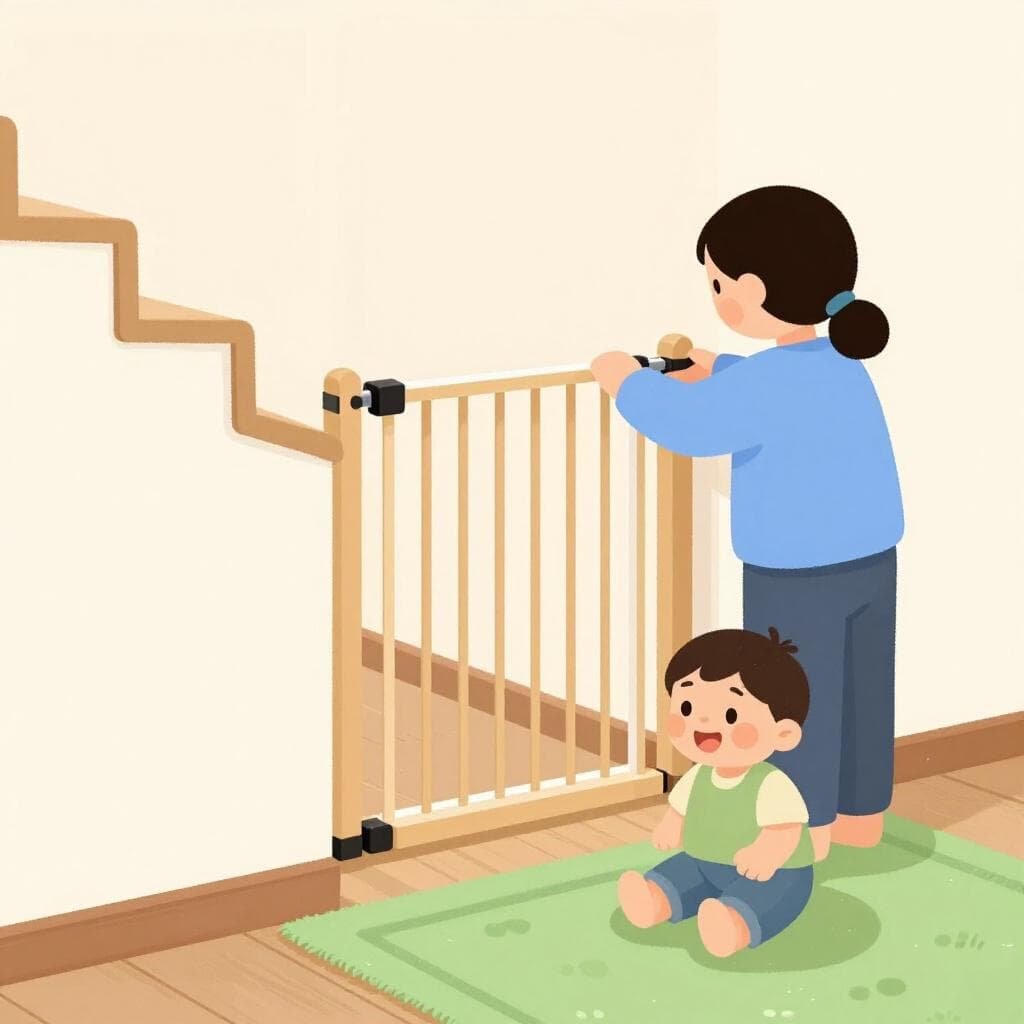

to prevent
Also: to avoid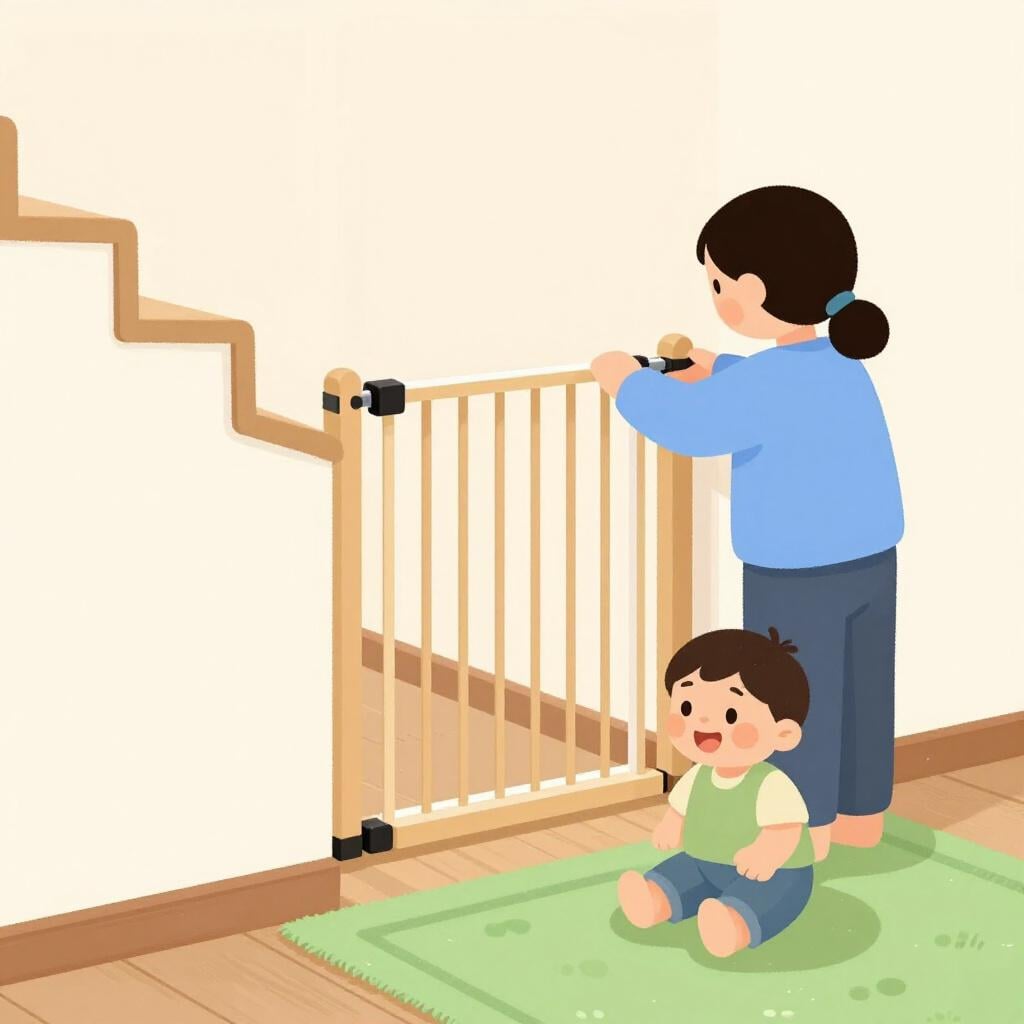
📝 In Action
Lavarse las manos ayuda a prevenir enfermedades.
A2Washing your hands helps to prevent illnesses.
Es mejor prevenir que lamentar.
B1It is better to be safe than sorry (literally: better to prevent than to regret).

to warn
Also: to forewarn
📝 In Action
Le previne sobre los peligros del viaje.
B2I warned him about the dangers of the trip.
Subjunctive
Imperfect Subjunctive
Present Subjunctive
Indicative
Preterite
Imperfect
Present
🔀 Commonly Confused With
Translate to Spanish
✏️ Quick Practice
Quick Quiz: prevenir
Question 1 of 2
Which sentence means 'I warned her'?
📚 More Resources
👥 Word Family▼
📚 Etymology▼
From Latin 'praevenire', which combines 'prae' (before) and 'venire' (to come). It literally means 'to come before' a problem happens.
First recorded: 13th century
Cognates (Related words)
💡 Master Spanish
Take your Spanish to the next level. Read 200+ illustrated and narrated Spanish stories tailored to your level with the Inklingo app!
Frequently Asked Questions
Is 'prevenir' the same as 'evitar'?
They are close! 'Evitar' is just to avoid something, while 'prevenir' implies taking specific actions or being prepared beforehand so the thing never happens.
Is it 'yo prevení' or 'yo previne'?
It is 'yo previne'. It follows the same irregular pattern as 'venir' (yo vine).