How to Say "to prevent" in Spanish
The most common Spanish word for “to prevent” is “evitar” — use 'evitar' when you want to steer clear of something or stop a negative outcome from occurring, often by taking action to bypass it.

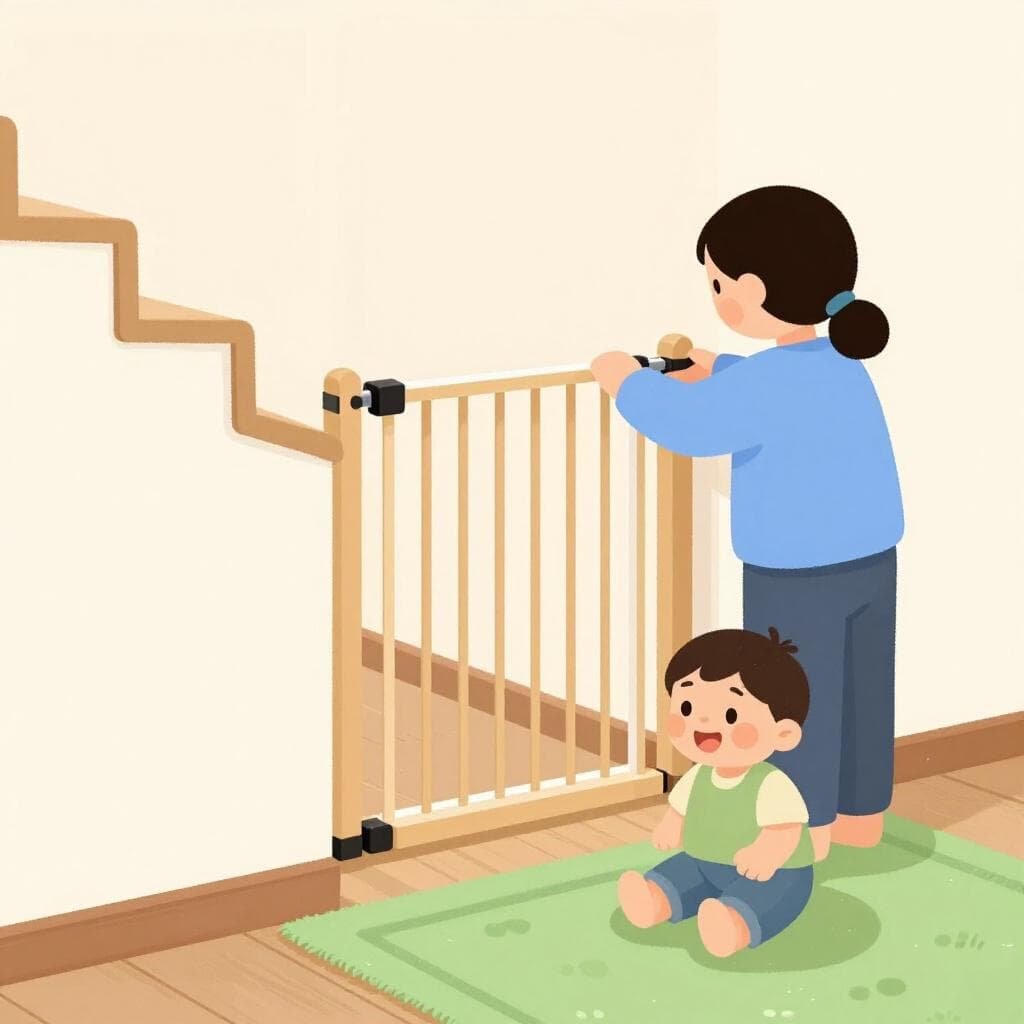

evitar
eh-vee-TAReβiˈtaɾ

Examples
Ella siempre intenta evitar el tráfico de la mañana.
She always tries to avoid the morning traffic.
Debemos evitar comer demasiada comida rápida.
We should avoid eating too much fast food.
El doctor nos dijo que evitáramos el estrés para estar saludables.
The doctor told us to prevent stress in order to be healthy.
Evitar + Infinitive
When you avoid doing an action, 'evitar' is always followed immediately by the base form of the second verb (the infinitive), without any prepositions like 'de' or 'a'. Example: 'Evito hablar' (I avoid talking).
Incorrect use of 'de'
Mistake: “Evitamos de ir al centro.”
Correction: Evitamos ir al centro. ('Evitar' does not need 'de' before the next verb.)
prevenir
pre-beh-NEERpɾeβeˈniɾ
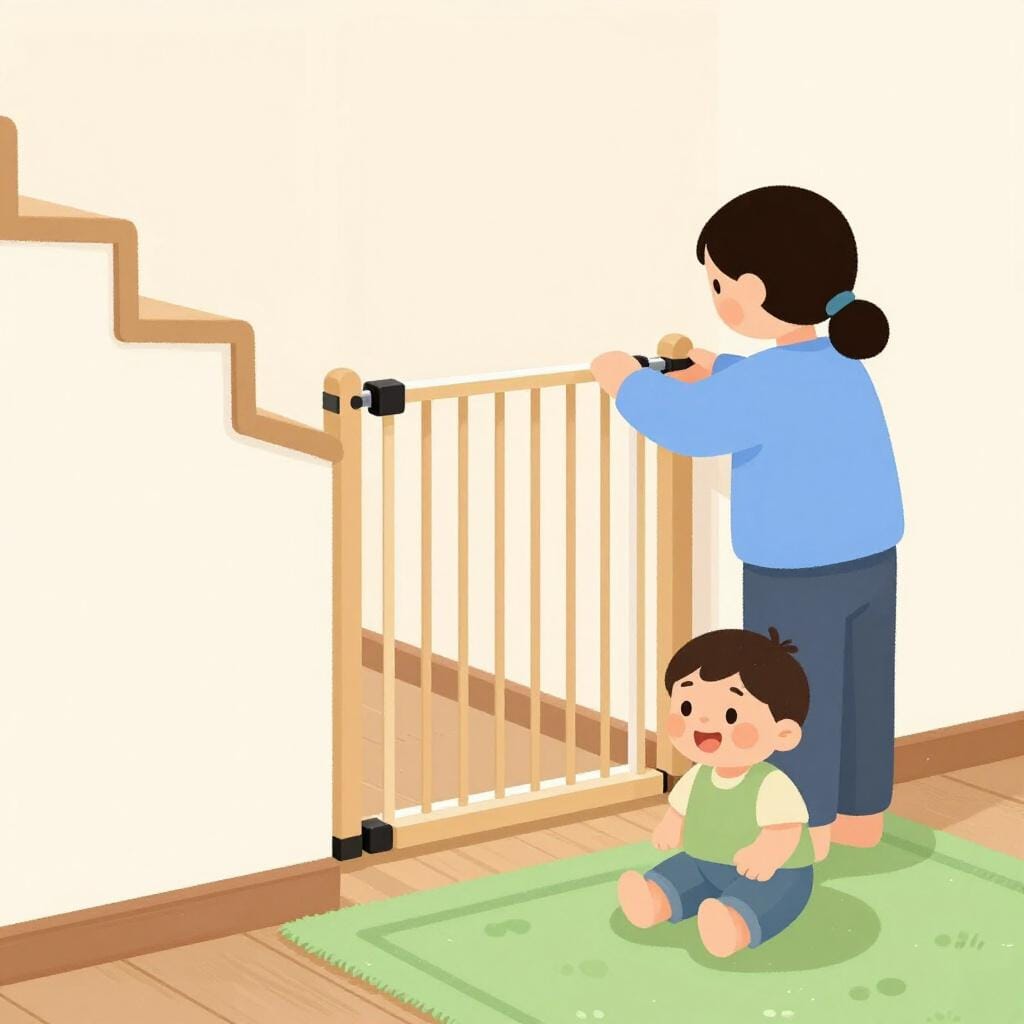
Examples
Lavarse las manos ayuda a prevenir enfermedades.
Washing your hands helps to prevent illnesses.
Es mejor prevenir que lamentar.
It is better to be safe than sorry (literally: better to prevent than to regret).
Think of 'Venir'
This word changes its spelling exactly like the word 'venir' (to come). If you know how to say 'vengo' (I come), you just add 'pre-' to get 'prevengo'.
The Past Tense Trap
Mistake: “yo prevení”
Correction: yo previne (it follows the irregular 'venir' pattern in the past).
impedir
im-peh-DEERim.peˈðiɾ

Examples
La lluvia no impidió que saliéramos a correr.
The rain didn't prevent us from going out to run.
Su falta de experiencia le está impidiendo conseguir el ascenso.
His lack of experience is hindering him from getting the promotion.
Las nuevas normas impiden el acceso a vehículos pesados.
The new rules block access to heavy vehicles.
Using 'que' and the Special Verb Form
When you use 'impedir' to prevent someone else from doing something, you usually follow it with 'que' and the special verb form (the subjunctive). Example: 'Impidieron que yo entrara.' (They prevented me from entering).
The 'e' to 'i' Change
In many present tense forms, the 'e' in the middle of the verb stem changes to an 'i'. Think of it as 'i-mpide' instead of 'e-mpede'. This change also happens in the present subjunctive.
Forgetting the Stem Change
Mistake: “Yo *empedo* (Incorrect present tense)”
Correction: Yo *impido* (Correct present tense). Remember the 'e' becomes 'i' when the stress falls on that syllable.
Using the Wrong Mood
Mistake: “Impidió que ellos *salieron*.”
Correction: Impidió que ellos *salieran*. (The action being prevented requires the special verb form, the subjunctive, after 'que'.)
Evitar vs. Prevenir
Related Translations
Learn Spanish with Inklingo
Interactive stories, personalized learning, and more.