How to Say "to avoid" in Spanish
The most common Spanish word for “to avoid” is “evitar” — use 'evitar' when you want to keep away from people, things, or situations to prevent encountering them.

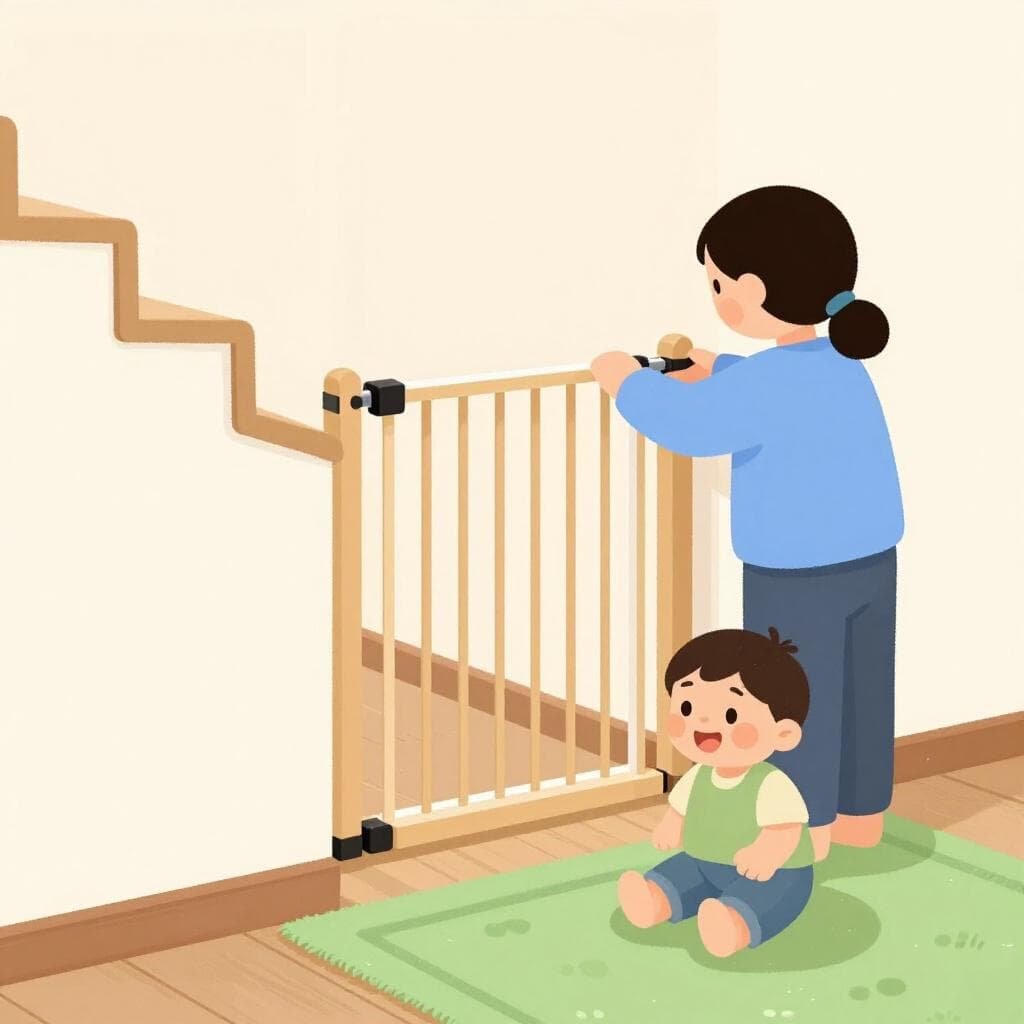



evitar
eh-vee-TAReβiˈtaɾ

Examples
Ella siempre intenta evitar el tráfico de la mañana.
She always tries to avoid the morning traffic.
Debemos evitar comer demasiada comida rápida.
We should avoid eating too much fast food.
El doctor nos dijo que evitáramos el estrés para estar saludables.
The doctor told us to prevent stress in order to be healthy.
Evitar + Infinitive
When you avoid doing an action, 'evitar' is always followed immediately by the base form of the second verb (the infinitive), without any prepositions like 'de' or 'a'. Example: 'Evito hablar' (I avoid talking).
Incorrect use of 'de'
Mistake: “Evitamos de ir al centro.”
Correction: Evitamos ir al centro. ('Evitar' does not need 'de' before the next verb.)
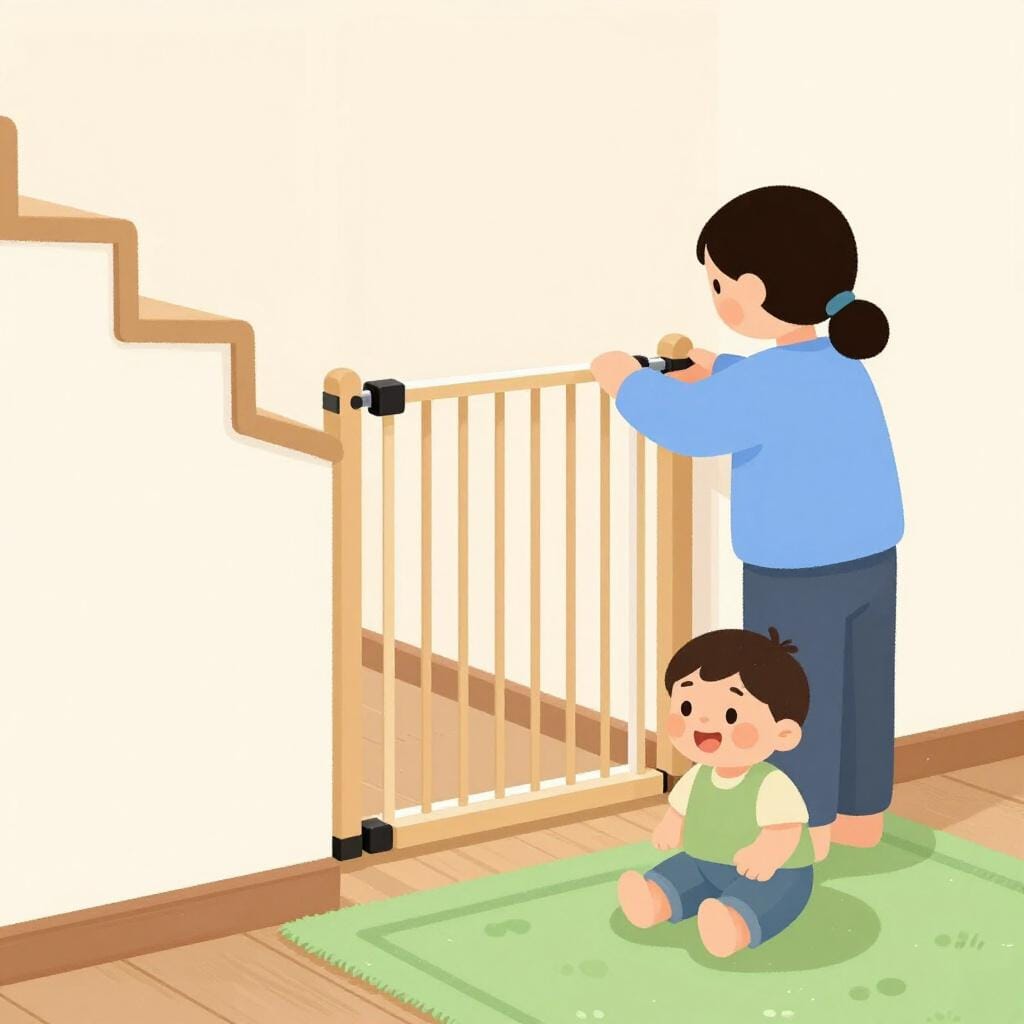
prevenir
pre-beh-NEERpɾeβeˈniɾ
Examples
Lavarse las manos ayuda a prevenir enfermedades.
Washing your hands helps to prevent illnesses.
Es mejor prevenir que lamentar.
It is better to be safe than sorry (literally: better to prevent than to regret).
Think of 'Venir'
This word changes its spelling exactly like the word 'venir' (to come). If you know how to say 'vengo' (I come), you just add 'pre-' to get 'prevengo'.
The Past Tense Trap
Mistake: “yo prevení”
Correction: yo previne (it follows the irregular 'venir' pattern in the past).
eludir
eh-loo-DEEReluˈðiɾ

Examples
Intentó eludir la pregunta cambiando de tema rápidamente.
He tried to avoid the question by quickly changing the subject.
No puedes eludir tus responsabilidades para siempre.
You cannot evade your responsibilities forever.
Eludió la mirada de su madre porque se sentía culpable.
He avoided his mother's gaze because he felt guilty.
Direct Action
You don't need a preposition like 'of' or 'from' after eludir. Just put the thing you are avoiding right after the verb.
A Step Up from Evitar
While 'evitar' is the general word for 'avoid,' use 'eludir' when someone is being clever or sneaky to get out of something they should be doing.
Sounds like 'Aludir'
Mistake: “Using 'eludir' when you want to say someone mentioned something.”
Correction: Use 'aludir' to mention/refer to something; use 'eludir' to run away from something.
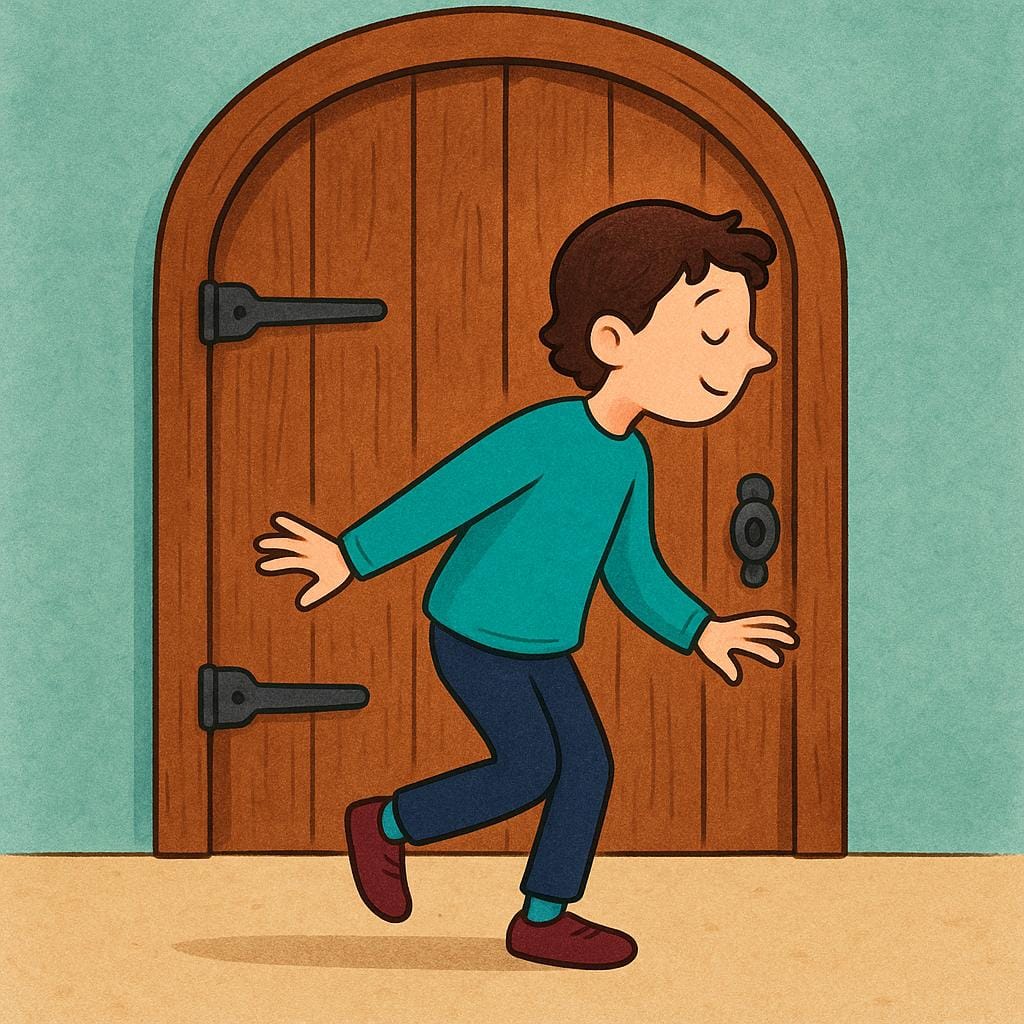
huir
oo-EERwˈiɾ
Examples
Ella siempre huye de las responsabilidades difíciles.
She always avoids difficult responsibilities.
El famoso actor huye de la fama y la prensa.
The famous actor shuns fame and the press.
No puedes huir de tus problemas para siempre.
You can't run away from your problems forever.
Figurative Use
Even when used figuratively (avoiding abstract things), 'huir' still uses the preposition 'de' to indicate what is being avoided: 'huir de la verdad' (to avoid the truth).
remediar
reh-meh-dee-ahrremeˈðjaɾ

Examples
Empezó a reírse y no pudo remediarlo.
He started laughing and couldn't help it.
Fue un accidente, no pude remediar que se cayera.
It was an accident; I couldn't avoid its falling.
The phrase 'no poder remediarlo'
This is a fixed expression. It's used just like the English 'I can't help it' when you have an impulse or emotion you can't stop.
Literal Translation
Mistake: “Saying 'No puedo ayudarlo' to mean 'I can't help it'.”
Correction: Say 'No puedo remediarlo'. 'Ayudar' means giving assistance to someone, not stopping an impulse.
excusar
ex-koo-SAReksuˈsaɾ

Examples
Excusó su asistencia a la gala por motivos personales.
He declined his attendance at the gala for personal reasons.
No pudo excusar el cumplimiento de su deber.
He could not avoid the fulfillment of his duty.
Formal objects
In this high-level sense, 'excusar' often takes an abstract noun as its object, like 'responsabilidad' (responsibility) or 'asistencia' (attendance).
Evitar vs. Prevenir
Related Translations
Learn Spanish with Inklingo
Interactive stories, personalized learning, and more.