carreteras
“carreteras” means “roads” in Spanish (general term for paved paths for vehicles).
roads
Also: highways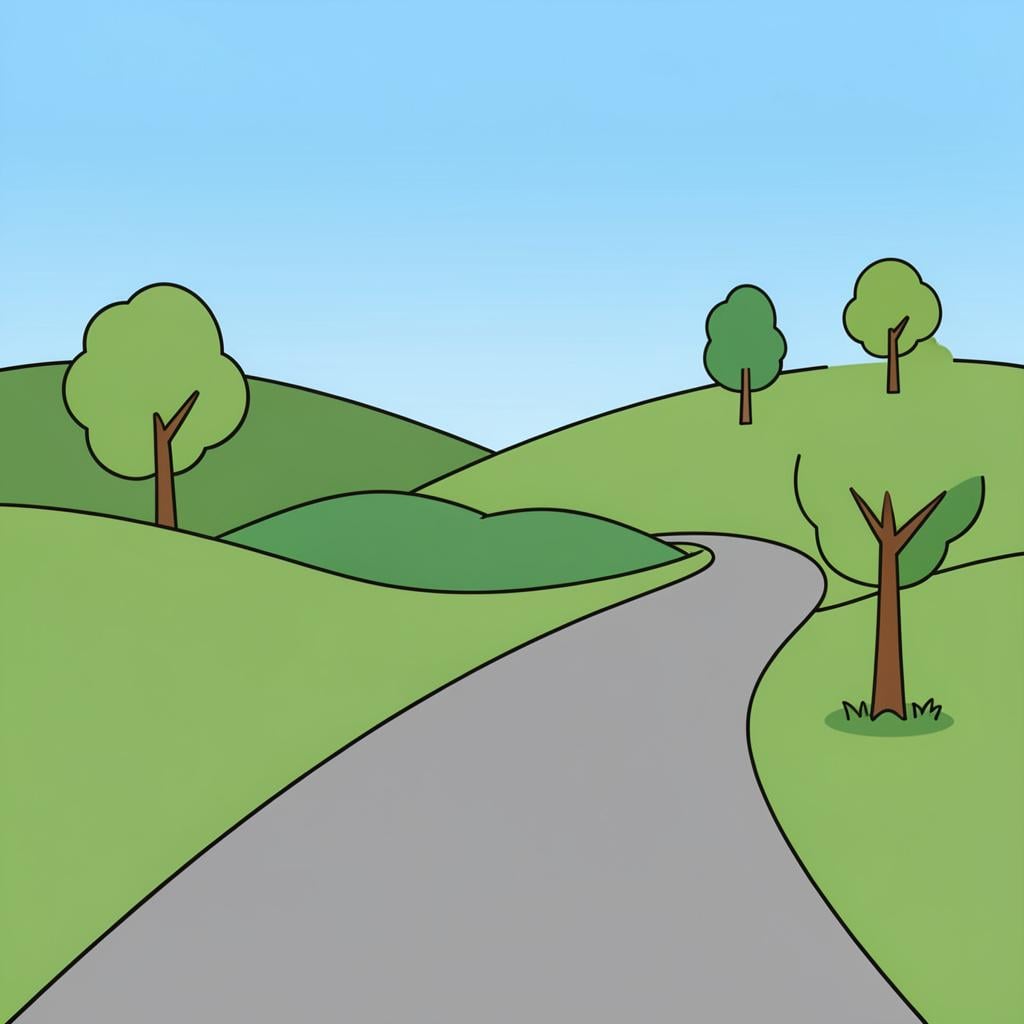
📝 In Action
Las carreteras en esta región son muy sinuosas.
A2The roads in this region are very windy.
Hay muchas carreteras que conectan Madrid con la costa.
B1There are many highways that connect Madrid with the coast.
Debemos tener cuidado en las carreteras cuando llueve.
A2We must be careful on the roads when it rains.
✏️ Quick Practice
Quick Quiz: carreteras
Question 1 of 1
If you are driving between two different cities in Spain, you are traveling on...
📚 More Resources
👥 Word Family▼
📚 Etymology▼
Comes from the word 'carreta' (long cart), which evolved from the Latin 'carrus'. Originally, it described a path wide enough for a horse-drawn cart to pass.
First recorded: 18th century (in its modern sense)
Cognates (Related words)
💡 Master Spanish
Take your Spanish to the next level. Read 200+ illustrated and narrated Spanish stories tailored to your level with the Inklingo app!
Frequently Asked Questions
What is the difference between 'carretera' and 'autopista'?
A 'carretera' is a general term for any road connecting places. An 'autopista' is a specific type of high-speed highway, often with multiple lanes and restricted access (and sometimes a toll).
Is 'carreteras' masculine or feminine?
It is feminine. You should always use feminine articles and adjectives with it, like 'las carreteras largas' (the long roads).