categoría
“categoría” means “category” in Spanish (classification or grouping).
category, class
Also: rank, caliber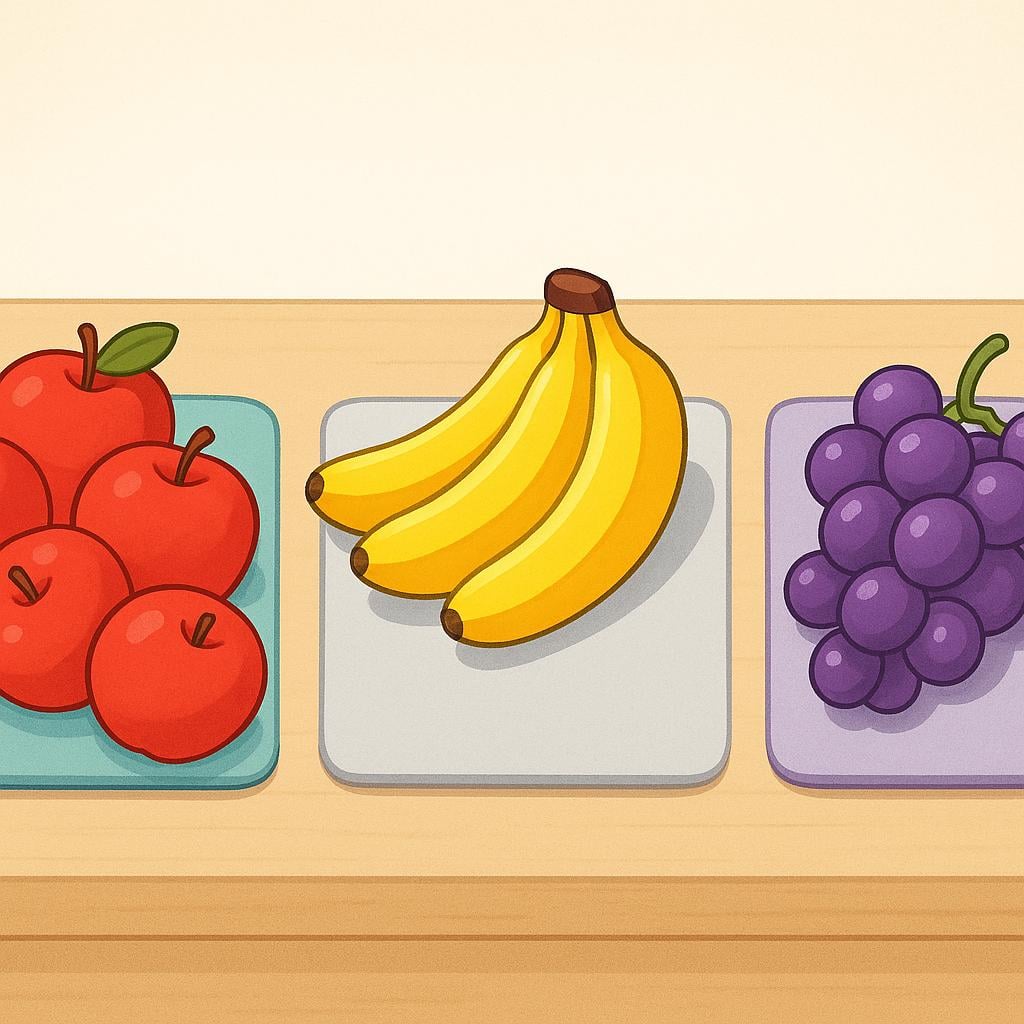
📝 In Action
Los productos se dividen en tres categorías: A, B y C.
A2The products are divided into three categories: A, B, and C.
Ella es una atleta de categoría mundial.
B1She is an athlete of world-class caliber.
Necesitamos subir de categoría profesional para obtener un mejor salario.
B2We need to move up in professional rank to get a better salary.
✏️ Quick Practice
Quick Quiz: categoría
Question 1 of 1
Which sentence uses 'categoría' to mean 'high quality' or 'caliber'?
📚 More Resources
👥 Word Family▼
🎵 Rhymes▼
📚 Etymology▼
The word comes from the Greek *katēgoria*, meaning 'statement' or 'accusation.' It passed through Latin and evolved to mean 'a class or division' in philosophical terms, which is how we use it today for sorting and ranking things.
First recorded: Mid-15th century
Cognates (Related words)
💡 Master Spanish
Take your Spanish to the next level. Read 200+ illustrated and narrated Spanish stories tailored to your level with the Inklingo app!
Frequently Asked Questions
Does 'categoría' only refer to formal classifications?
No. While it is used in formal settings (sports ranks, job titles), you can also use it informally to describe the high quality or 'class' of a person or thing, like saying someone 'tiene mucha categoría' (has a lot of class/dignity).