coja
“coja” means “I may take/grab” in Spanish. It has 2 different meanings depending on context:

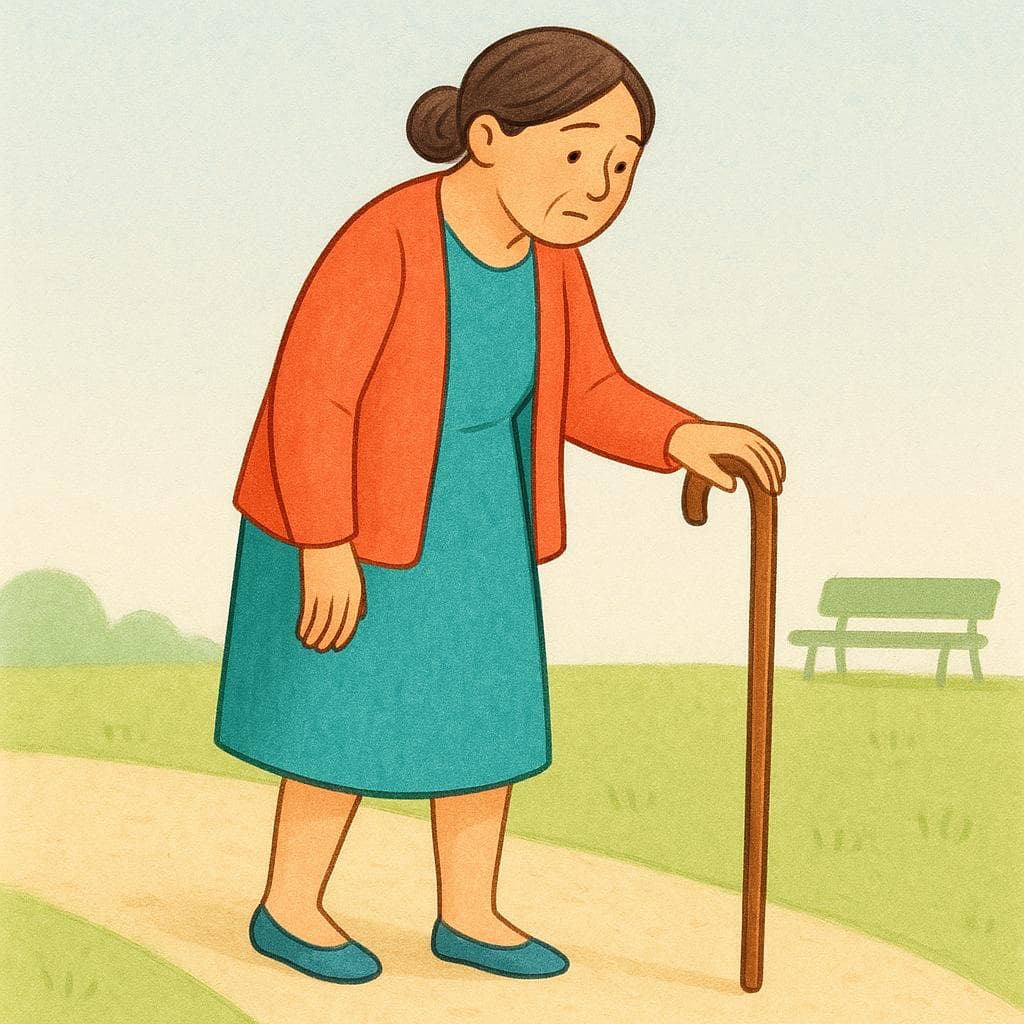
I may take/grab, he/she/it may take/grab, take/grab
Also: I hope to catch, Let him/her pick up
📝 In Action
Espero que ella coja el tren a tiempo.
B1I hope she catches the train on time.
Coja este formulario y regrese en cinco minutos.
A2Take this form and come back in five minutes.
No quiero que yo coja su resfriado.
B1I don't want to catch his cold.
lame (woman), limping
Also: crippled (woman)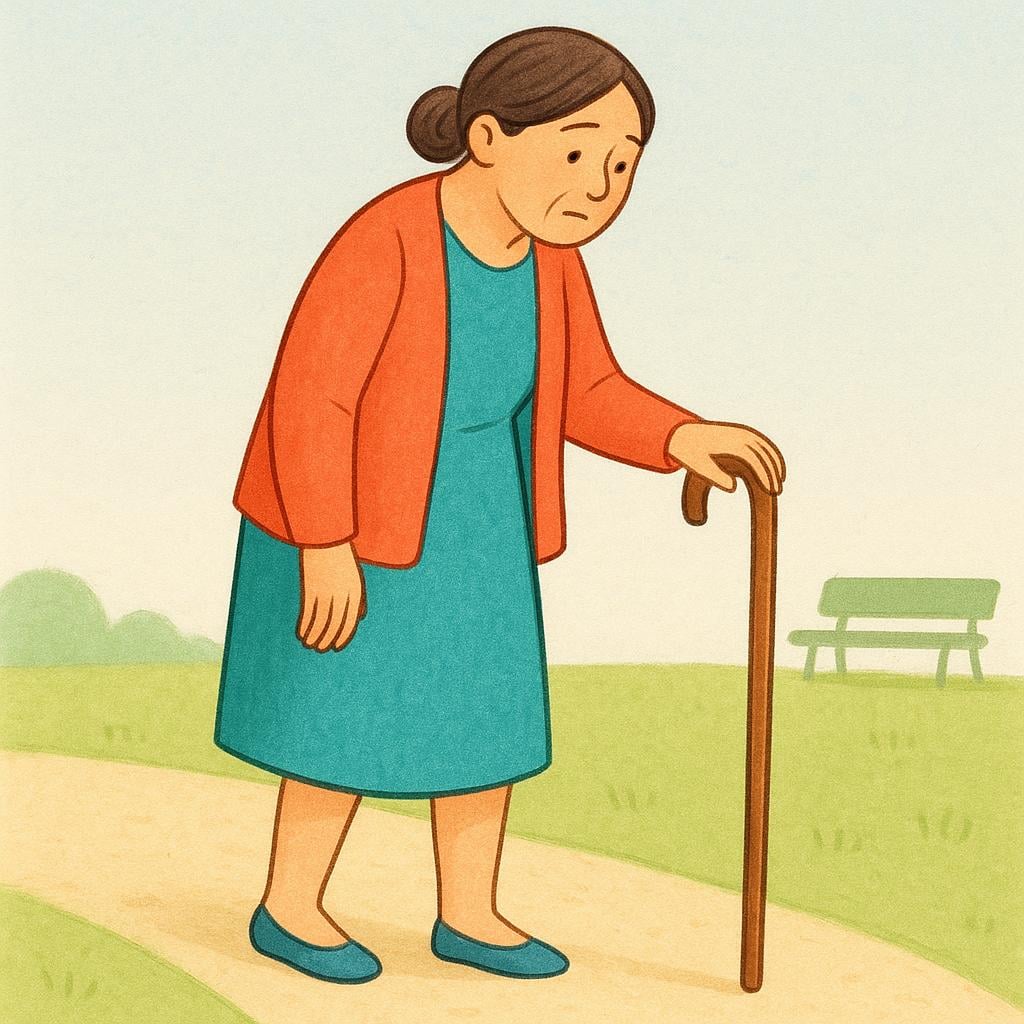
📝 In Action
La mujer coja usaba un bastón para caminar.
B2The lame woman used a cane to walk.
Ella tiene una pierna coja.
B2She has a weak/lame leg.
Indicative
Present
Imperfect
Preterite
Subjunctive
Present Subjunctive
Imperfect Subjunctive
✏️ Quick Practice
Quick Quiz: coja
Question 1 of 2
Which sentence uses 'coja' as a formal command?
📚 More Resources
👥 Word Family▼
🎵 Rhymes▼
📚 Etymology▼
The verb 'coja' comes from the Latin *colligere* ('to gather, to collect'). The adjective 'coja' comes from the Latin *coxa* ('hip, thigh'), referring to an issue with the hip or leg that causes a limp.
First recorded: 13th century (verb)
Cognates (Related words)
💡 Master Spanish
Take your Spanish to the next level. Read 200+ illustrated and narrated Spanish stories tailored to your level with the Inklingo app!
Frequently Asked Questions
Why does the verb 'coger' use a 'j' in 'coja'?
The 'g' in 'coger' sounds like the 'g' in 'go'. When followed by 'a' or 'o', Spanish changes the 'g' to a 'j' to make sure the sound remains a strong, guttural 'h' sound (like in 'house'). If it were written 'coga', the sound would be too soft.
Is 'coja' (the adjective) considered rude?
Yes, in modern Spanish, describing someone as 'coja' is often considered insensitive or outdated. It is better to use respectful terms like 'persona con discapacidad de movilidad' (person with mobility disability).