contrarrestar
“contrarrestar” means “to counteract” in Spanish (neutralizing an effect or force).
to counteract
Also: to thwart, to offset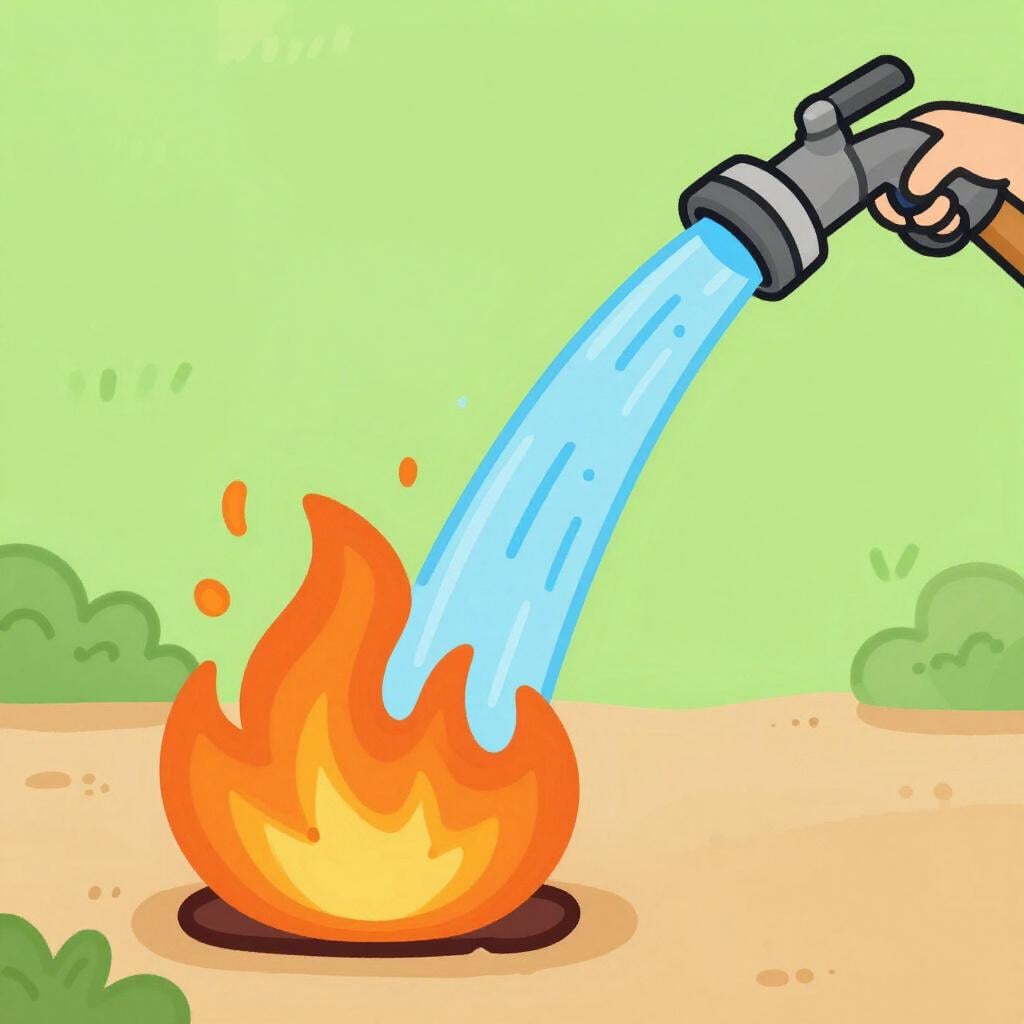
📝 In Action
Bebió mucha agua para contrarrestar el efecto de la sal.
B1He drank a lot of water to counteract the effect of the salt.
El gobierno tomó medidas para contrarrestar la inflación.
B2The government took measures to counteract inflation.
Su amabilidad contrarresta su falta de experiencia.
C1Her kindness offsets her lack of experience.
Subjunctive
Imperfect Subjunctive
Present Subjunctive
Indicative
Preterite
Imperfect
Present
Translate to Spanish
✏️ Quick Practice
Quick Quiz: contrarrestar
Question 1 of 3
How do you say 'to counteract the heat'?
📚 More Resources
👥 Word Family▼
📚 Etymology▼
Combination of the Latin prefix 'contra-' (against) and 'restare' (to stop or stay back). It literally means to stand against something to stop it.
First recorded: 15th century
Cognates (Related words)
💡 Master Spanish
Take your Spanish to the next level. Read 200+ illustrated and narrated Spanish stories tailored to your level with the Inklingo app!
Frequently Asked Questions
Can I use 'contrarrestar' for people?
Usually, we use it for things like effects, forces, or plans. If you are opposing a person, you would more likely use 'oponerse' or 'enfrentarse'.
Is it a formal word?
Yes, it's slightly more formal. In a casual conversation about a headache, you might just say 'para que se me quite el dolor' (so the pain goes away), but in a medical or formal context, you'd use 'contrarrestar'.
Does it have anything to do with 'arrestar' (to arrest)?
No, they share a similar-looking root but have completely different meanings. Don't get them confused!